

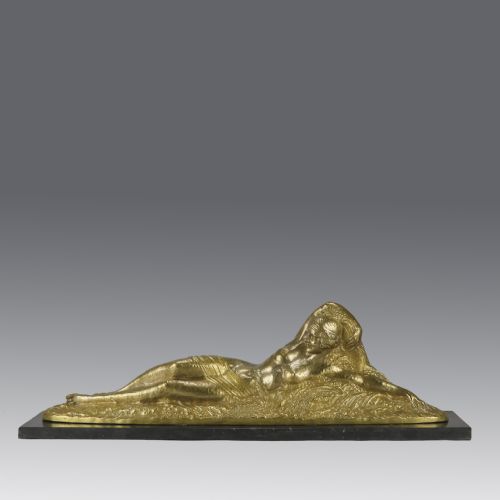
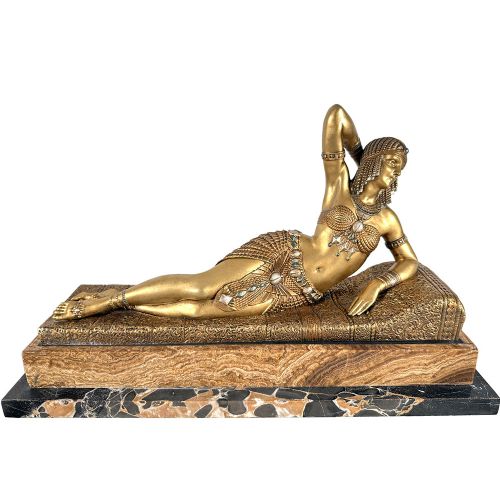


Chiparus Sculpture
A chiparus sculpture brings the sharp geometry and dramatic movement of the Art Deco era directly into a room through bronze, marble, and ivory.
Chiparus Sculpture
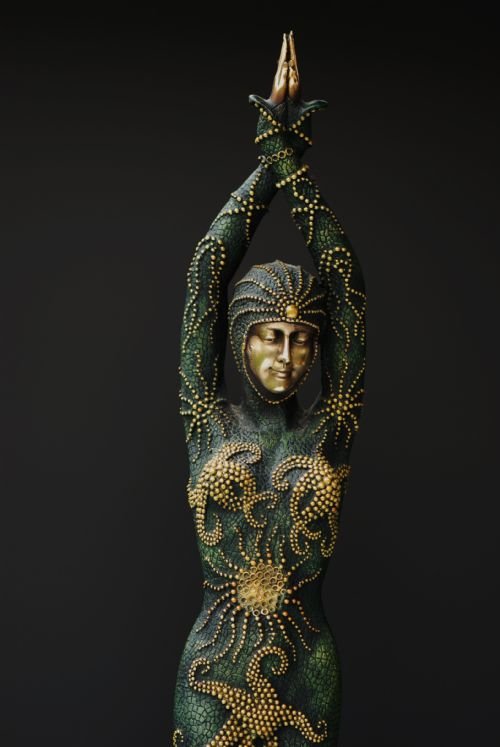
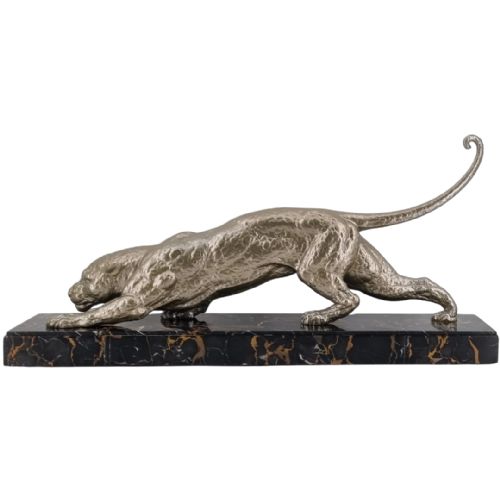
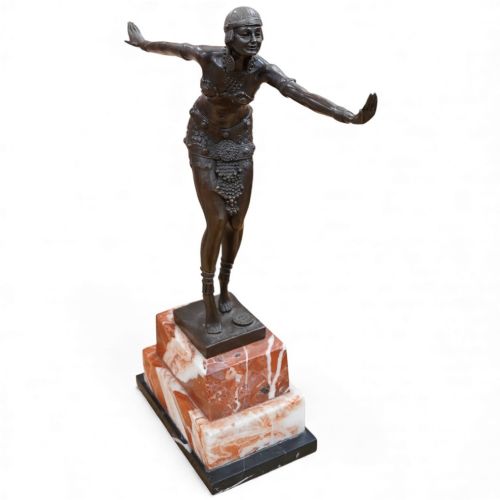
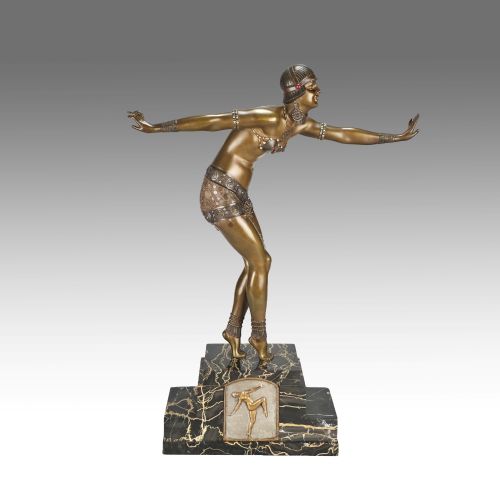
When you search for chiparus sculpture, you encounter figures that capture the spirit of the nineteen twenties and nineteen thirties through depictions of dancers, animals, and mythological subjects. These pieces stand on solid bases of marble or onyx, anchoring the dynamic poses of the figures above them.
The versions most commonly met on this page include bronze dancers, patinated metal figures, and mixed-media works bearing signatures or attribution to the artist. Subjects range from named figures like Cleopatra and the Phoenician Dancer to elegant ladies and hunting panthers.
How they were made
Mounting remains an integral part of the construction, with figures secured to heavy bases of portoro marble, standard marble, or onyx. Surface finishes vary from cold-painting and gilding to dark patination, highlighting the drapery and detail of each costume.
Chiparus Sculpture Retail Price Guide 2026
Typical asking prices for chiparus sculpture among the pieces listed under this phrase on Sellingantiques today, from the lower quarter to the upper quarter. They describe what is for sale here now, not the wider market.
Listings combine bronze, gilt bronze, patinated metal, and spelter with marble, onyx, and portoro marble bases from the 1920 and 1930 periods.
What varies in quality
Quality in these sculptures rests upon the crispness of the casting and the finesse of the cold-painted or gilded surface finishes. Finer examples display meticulous attention to the facial expressions and the intricate patterns of the dancers' costumes.
The choice and execution of the base material also differentiate the objects, particularly when dense marbles like portoro are utilised. Signatures and foundry markings further distinguish the primary works from later editions and style pieces.
Demetre Chiparus
The Chiparus Sculpture Glossary
- Art Deco
- A design style dominant in the 1920s and 1930s characterised by sleek lines, geometric shapes, and modern materials. It heavily influenced sculpture, architecture, and decorative arts during the period.
- Chryselephantine
- A term describing a statue made of a combination of bronze and ivory. This technique was frequently used to render the flesh tones alongside metallic garments.
- Patinated metal
- Metal treated with chemicals or heat to produce a specific surface colour and finish. This process protects the metal while enhancing its visual depth.
- Portoro marble
- A high-quality black limestone marble featuring distinctive gold and yellow veins. It provides a luxurious contrasting foundation for bronze figures.
- Spelter
- A zinc alloy used as a less expensive alternative to bronze for casting decorative figures. It often received a bronze-coloured coating to simulate more costly metal.
Chiparus Sculpture: Frequently Asked Questions
What periods do these sculptures date from?
The listings on this page originate primarily from the nineteen twenties and nineteen thirties, reflecting the height of the Art Deco movement.
These dates align with the active working period of the artist and the stylistic conventions of interwar European decorative arts.
What materials are used in these figures?
The works combine metals such as bronze, gilt bronze, patinated metal, and spelter with carved ivory elements.
These sculptural elements are mounted securely onto heavy natural stone bases made from marble, onyx, or portoro marble.
How should I display a marble base sculpture?
Place the sculpture on a sturdy, level surface that can safely support the combined weight of the metal figure and the heavy stone base.
Keep the piece away from direct sunlight and fluctuating temperatures to protect the delicate surface patination and any exposed ivory.
How do I identify a dancer figure?
Dancer figures typically depict theatrical performers in mid-movement, wearing elaborate costumes with outstretched arms or balanced poses.
Titles often reference specific dances or mythological characters, such as the Phoenician Dancer or Egyptian Dancer.