



Chiparus Art Deco
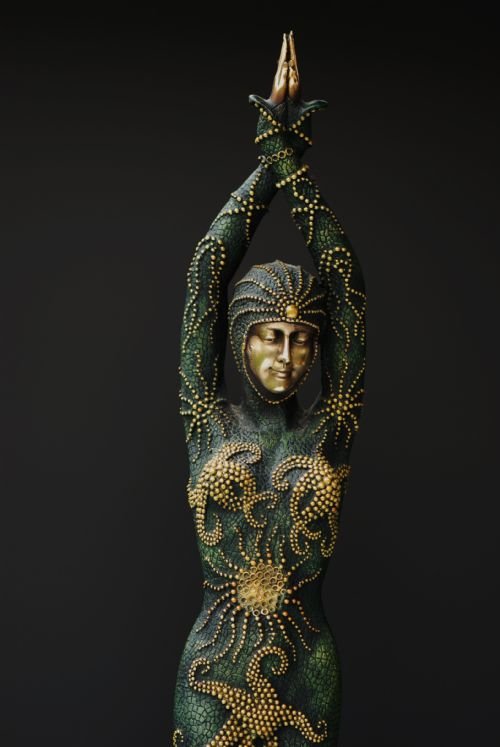
These chiparus art deco sculptures bring iconic elegance to a room through celebrated dancer and animal figures from the nineteen twenties and thirties.
Chiparus Art Deco
When you search for chiparus art deco, you encounter striking sculptures that capture the glamour and energy of the early twentieth century. The selection ranges from dynamic dancer figures to animal studies.
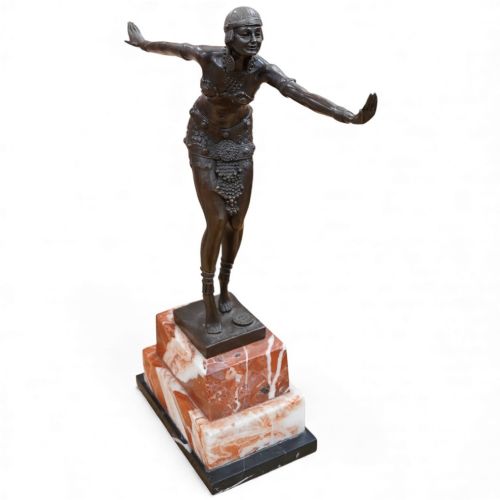
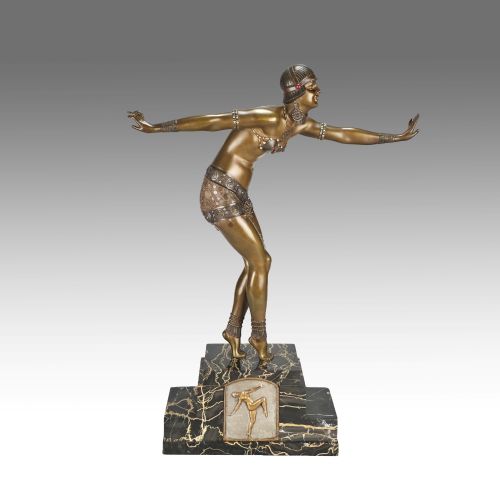
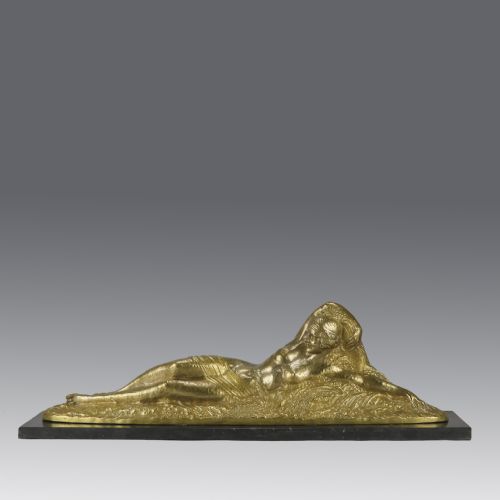
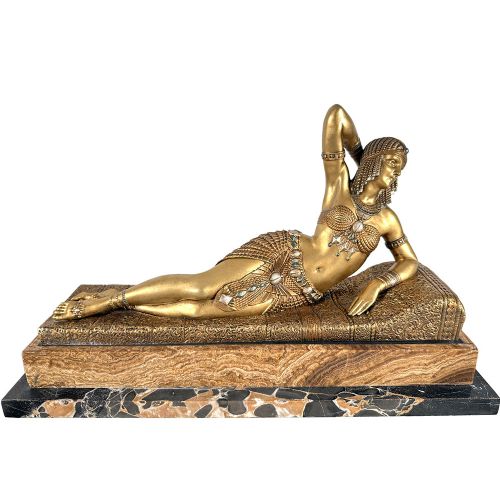
You are most likely to meet bronze and patinated metal figures mounted on substantial marble or onyx bases. Many pieces depict named subjects such as dancers, young girls, and allegorical figures.
The objects date from the nineteen twenties and nineteen thirties, reflecting the height of the Art Deco movement. These works translate the rhythm of the period into enduring sculptural forms.
How They Were Made
These sculptures utilise bronze, gilt bronze, and patinated metal combined with carved ivory in chryselephantine pieces. Metal components are cast and finished with patination or gilding.
Figures are frequently mounted upon heavy bases of marble, onyx, or specifically portoro marble. The juxtaposition of carved or cast elements against polished stone forms a defining characteristic of the work.
Chiparus Art Deco Retail Price Guide 2026
Typical asking prices for chiparus art deco among the pieces listed under this phrase on Sellingantiques today, from the lower quarter to the upper quarter. They describe what is for sale here now, not the wider market.
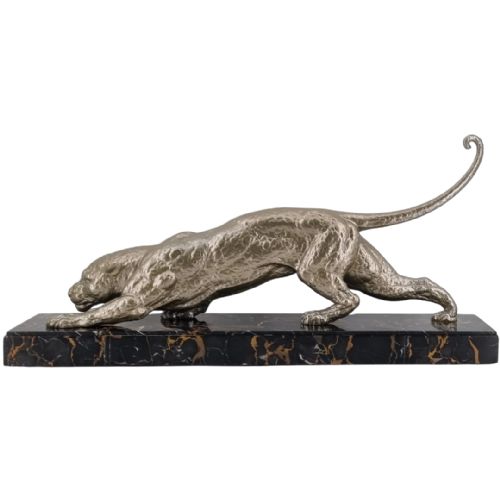
When a bronze panther goes hunting across an onyx base, even the most serious collector cracks a smile at the feline intensity.
What Varies in Quality
The choice and preparation of the mounting base also distinguish the range, with selected pieces utilising fine portoro marble or onyx. The harmony between the sculptural subject and its stone plinth determines the visual balance.
Demetre Chiparus·D. H. Chiparus
The Chiparus Art Deco Glossary
- Art Deco
- A design style of the nineteen twenties and thirties characterised by sleek lines, stylised forms, and modern materials. It influenced architecture, fashion, and decorative arts globally.
- Chryselephantine
- A term describing statues made from a combination of metal and carved ivory. This technique was used to render flesh tones alongside metallic garments.
- Patinated metal
- Metal treated with chemical solutions to produce a specific surface colour and finish. This process enhances sculptural depth and protects the material.
- Gilt bronze
- Bronze coated with a thin layer of gold or gold leaf. The technique adds a luminous quality to the surface of the sculpture.
- Portoro marble
- A distinctive black limestone with golden-yellow veins originating from Italy. It provides a dramatic and luxurious foundation for decorative figures.
Chiparus Art Deco: Frequently Asked Questions
What materials are used in chiparus art deco sculptures?
These works primarily employ bronze, gilt bronze, and patinated metal, often complemented by carved ivory in chryselephantine pieces. Bases are commonly fashioned from marble or onyx.
The combination of these media creates the characteristic contrast and visual weight associated with the period.
How do I identify a nineteen twenties piece?
Pieces from the nineteen twenties typically exhibit specific stylistic traits of early Art Deco design, focusing on dynamic movement and modernist geometry. The dress and posture of the figures reflect the fashion of the decade.
Signatures and foundry marks, where present, help anchor the production period alongside the materials utilised.
How should I display these sculptures?
Place them on stable, flat surfaces where their detailed casting and stone bases can be appreciated from multiple angles. Ensure they are kept away from direct heat sources to protect the stone and metal finishes.
Good lighting enhances the patination and gilding on the bronze surfaces.
What subjects are most common?
Dancers and female figures dominate the subjects, often capturing theatrical poses, Egyptian revival themes, or graceful everyday moments. Animal studies, such as panthers, also appear within the selection.
Each subject translates the kinetic energy of the era into a static sculptural form.