







Chinoiserie Papier Mache
Chinoiserie papier mache pieces bring hand-painted orientalist charm to domestic spaces through durable moulded paper pulp finished with rich dark lacquers.
Chinoiserie Papier Mache
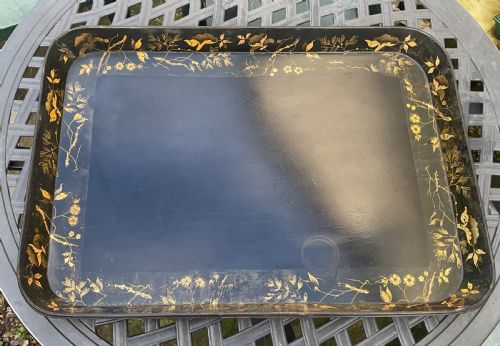
When you search for chinoiserie papier mache, you encounter a selection of domestic objects spanning the Georgian, Regency, and Victorian periods. The most frequent forms on this page are serving trays, occasional tables, and tray tables designed for practical use and display.
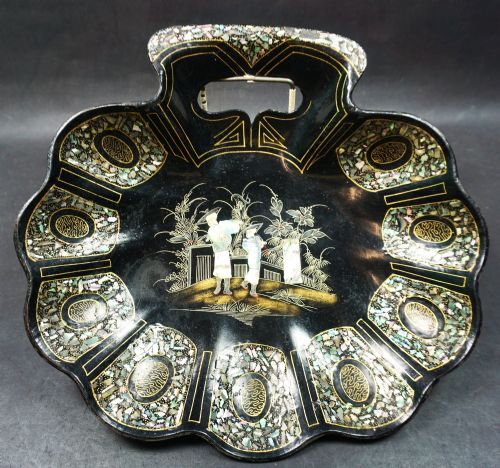
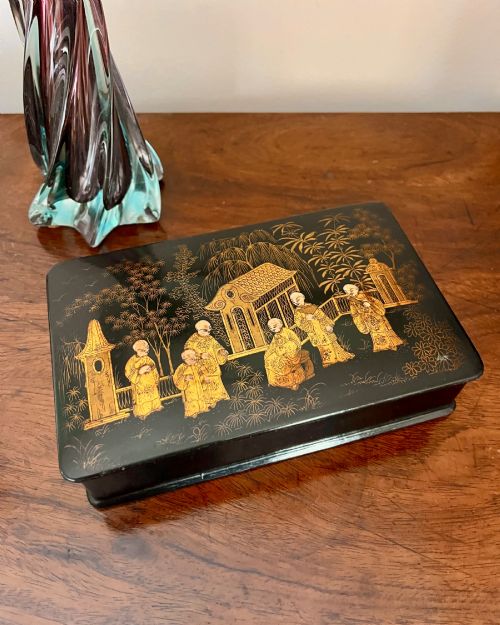
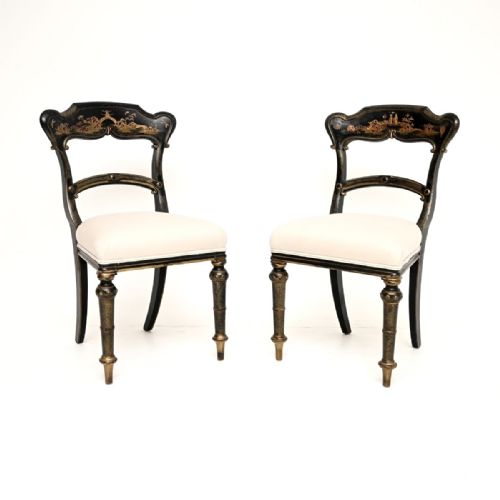
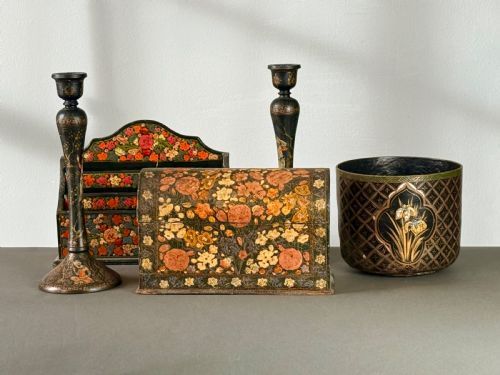
The material repertoire includes lacquered wood, brass, gilt, and paint applied to sturdy papier-mâché foundations. Pieces range from large oval trays and dressing screens to smaller items such as boxes, letter racks, vases, and side chairs.
Materials and construction
Makers built these objects using layers of paper pulp mixed with glue and resin, pressed into moulds, and dried to create a rigid base. Artisans then applied multiple coats of dark lacquer to achieve a smooth, glossy surface ready for decoration.
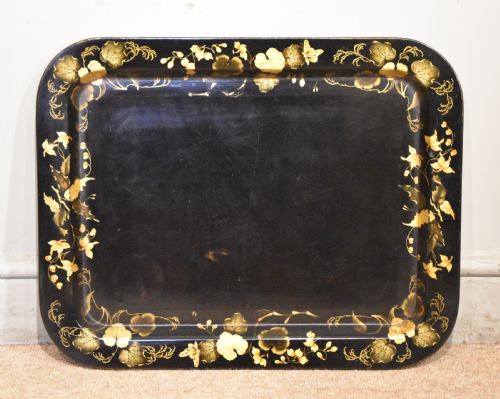
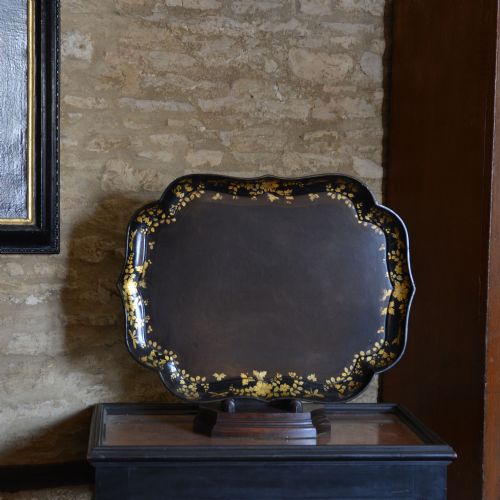
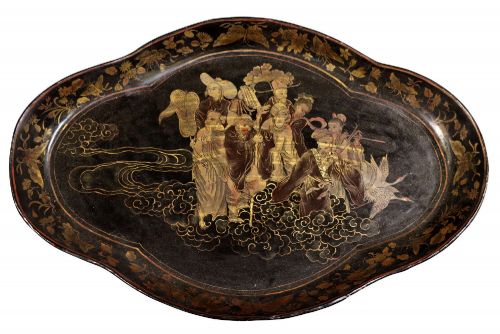
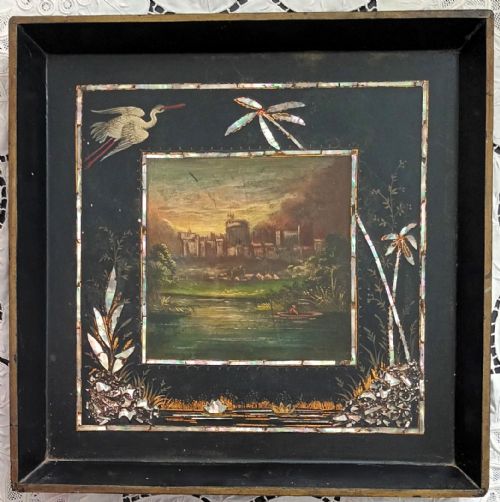
Gold leaf, paint, and gilt details were layered onto the lacquer to render intricate chinoiserie scenes featuring figures, pavilions, and botanical motifs. Some items incorporate wooden stands, brass fittings, or rosewood structures to support the papier-mâché components.
Chinoiserie Papier Mache Retail Price Guide 2026
Typical asking prices for chinoiserie papier mache among the pieces listed under this phrase on Sellingantiques today, from the lower quarter to the upper quarter. They describe what is for sale here now, not the wider market.
Listings feature items from the 1800s, Regency, and Victorian periods, utilising lacquer, papier-mâché, wood, and brass.
Judging quality in papier mache
Quality rests on the crispness and depth of the hand-painted chinoiserie decoration and the condition of the underlying lacquer finish. Superior examples show meticulous brushwork and integrated gilt detailing that remain clear and well-preserved across the surface.
The structural integrity of the moulded paper base and any accompanying stands or tables also distinguishes finer pieces. Well-executed items maintain stability and smooth joints without significant crazing or flaking to the polished finish.
Clay·Jennens & Bettridge·Gillows
The Chinoiserie Papier Mache Glossary
- Papier-mâché
- A composite material made from paper pulp or layers of paper mixed with adhesive, moulded and dried to form sturdy objects. This substrate provides a lightweight yet durable base for lacquered and painted finishes.
- Lacquer
- A durable resinous finish applied in multiple coats and polished to a high gloss on wooden or papier-mâché objects. It protects the surface and provides a deep dark background for gold leaf and painted designs.
- Gilt
- A thin layer of gold applied to the surface of objects to ornament details and borders. This technique highlights the pictorial elements against the dark lacquer ground.
Chinoiserie Papier Mache: Frequently Asked Questions
What is chinoiserie papier mache?
Chinoiserie papier mache items are decorative and functional domestic objects made from moulded paper pulp finished with dark lacquer and hand-painted orientalist designs. They include serving trays, tables, boxes, and screens dating primarily from the nineteenth century.
The style combines European manufacturing techniques with whimsical interpretations of East Asian motifs, often highlighted in gold leaf and vibrant colours.
How were these trays used?
These trays served practical roles in nineteenth-century drawing rooms for carrying tea services, serving drinks, or holding letters. Many larger trays were subsequently mounted onto folding stands to function as occasional tables.
When not in active use, they stood upright on display or remained on stands as permanent furniture pieces in parlours and reception rooms.
How do I care for lacquer surfaces?
Lacquer surfaces require gentle handling to preserve the delicate paintwork and high-gloss finish. Dust them regularly with a soft, dry cloth and keep them away from direct sunlight and excessive moisture.
Avoid using chemical cleaners or abrasive materials, which can permanently dull or damage the painted chinoiserie decoration and gold leaf.
How can I distinguish Regency pieces?
Regency items often feature robust papier-mâché trays with deep wells and distinctive maker stamps such as Clay. Their decorative schemes typically align with classical revival tastes combined with early nineteenth-century chinoiserie motifs.
Examining the craftsmanship of the timber stands and the specific style of the painted landscapes helps confirm the early nineteenth-century origin.