




Chinese Wooden Box
These pieces known as a chinese wooden box range from large camphor trunks to small tea caddies designed for storage.
Chinese Wooden Box
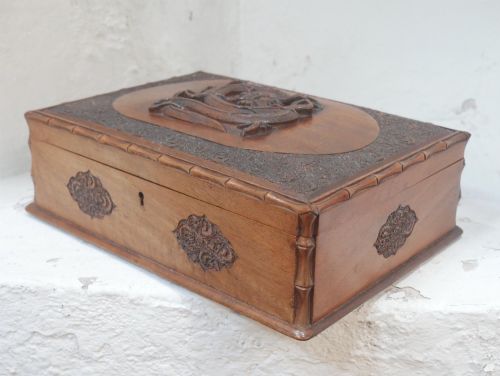
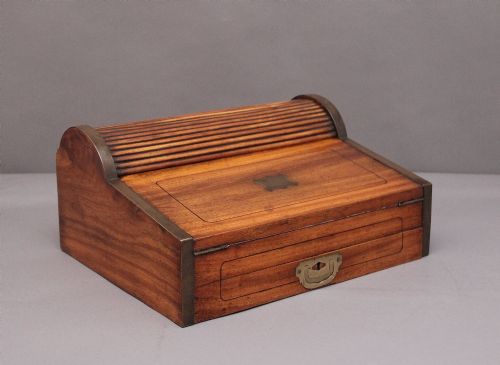
A chinese wooden box serves multiple storage purposes, appearing in forms such as blanket boxes, tea caddies, writing slopes, and large storage chests. Buyers encounter these containers spanning from the eighteenth century through to the early twentieth century, including Victorian and Qing Dynasty examples.
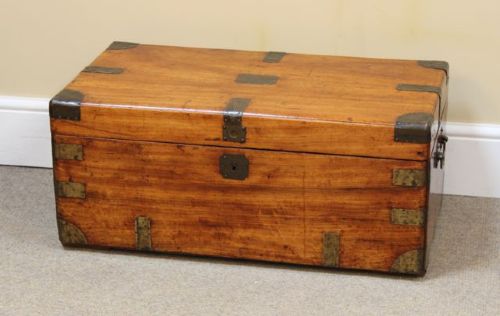
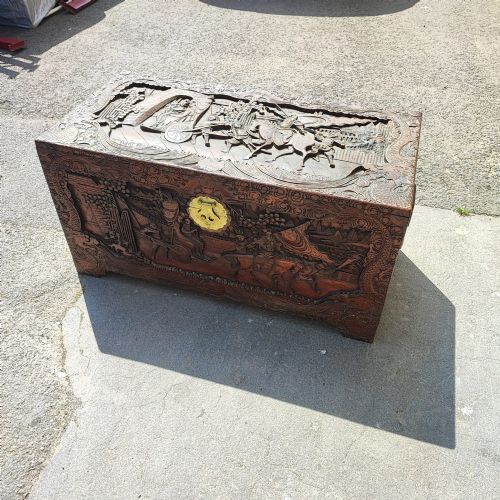
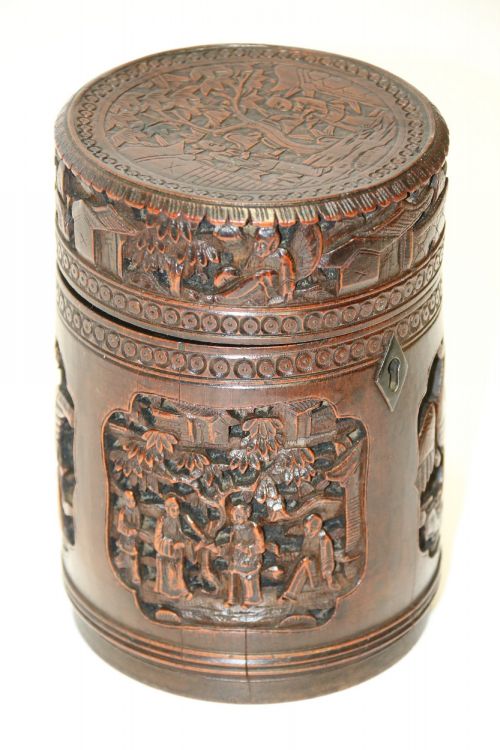
Camphor wood forms the most frequent material choice for larger trunks, valued for its aromatic qualities and insect-repelling properties. Smaller table top chests and caddies utilise dense hardwoods, elm, and bamboo.
How they were made
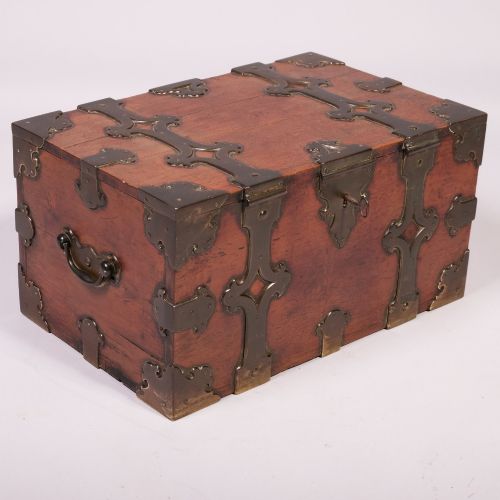
Craftsmen built these containers using solid timbers such as camphor wood, rosewood, huanghuali, and eastern elm, joined to withstand long journeys and daily use. Larger chests feature heavy brass mountings and corner brackets to reinforce the structure.
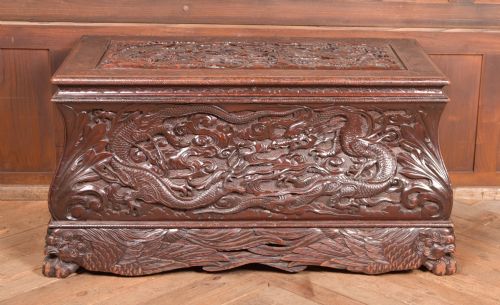
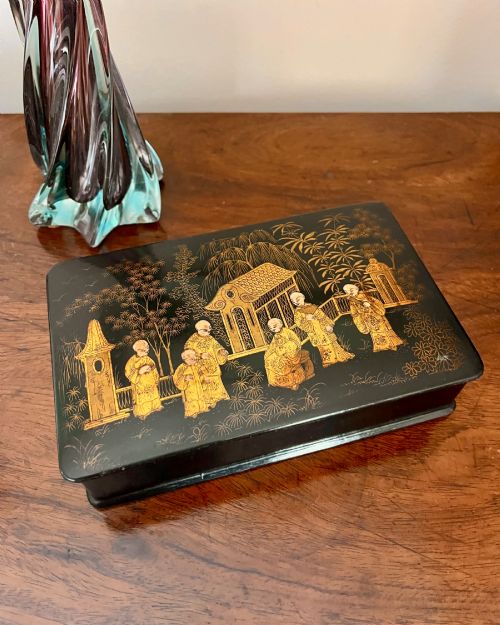
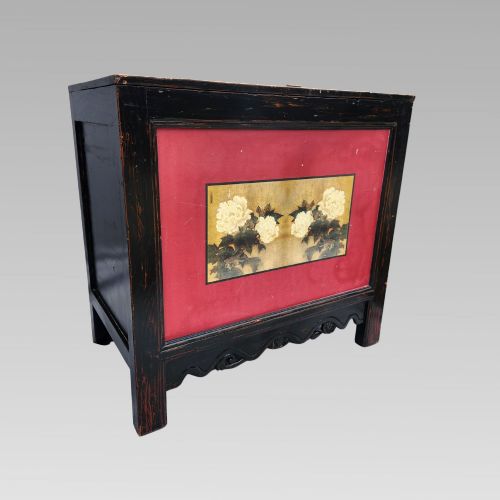
Surface decoration relies on deep hand carving depicting floral motifs and dragons, alongside black and gold lacquer work. Selected pieces incorporate mother of pearl inlay and gold leaf details set into the wood.
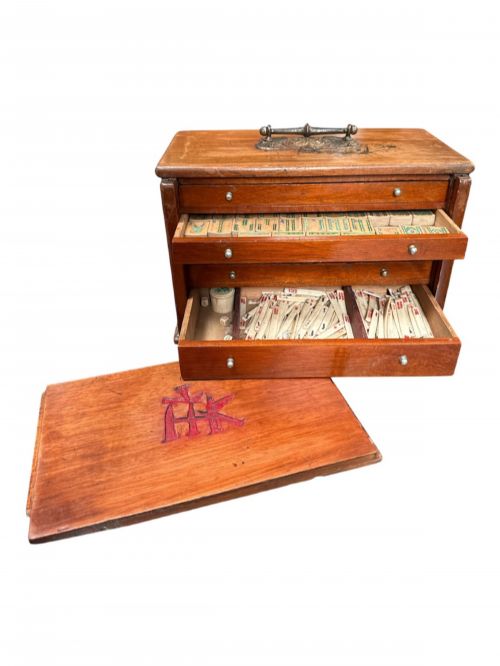
Interiors often contain fitted compartments, removable trays, or swing-out mechanisms designed for specialised tasks like writing or storing tea.
Chinese Wooden Box Retail Price Guide 2026
Typical asking prices for chinese wooden box among the pieces listed under this phrase on Sellingantiques today, from the lower quarter to the upper quarter. They describe what is for sale here now, not the wider market.
The listings span from the 18th century through the Victorian era to 1930, featuring camphor wood, brass, lacquer, and mother of pearl.
What varies in quality
The depth and crispness of the hand carving distinguish finer examples from standard production pieces, with superior carving showing sharp relief and well-defined details. The choice of timber also dictates quality, with dense hardwoods and figured camphor wood sitting above plain utility boards.
Hardware execution plays a major role, as hand-shaped brass mounts and fitted interior mechanisms require greater skill than plain iron hinges. The preservation of original lacquer, gold leaf, and mother of pearl inlay determines the finish standard.
Proportion and scale affect the desirability of each piece, ranging from robust travel chests to delicate table top caddies with intact fitted compartments.
The Chinese Wooden Box Glossary
- Camphor Wood
- An aromatic timber native to Asia, frequently utilised for storage trunks and blanket boxes due to its natural scent.
- Tea Caddy
- A small container designed to store loose tea leaves, often featuring internal lidded compartments.
- Chinoiserie
- European decorative style reflecting Chinese artistic influences, frequently seen on lacquered boxes and chests.
- Coffer
- A large, sturdy box or chest traditionally used for storing valuables and precious items.
Chinese Wooden Box: Frequently Asked Questions
What were camphor wood trunks used for originally?
Camphor wood trunks served primarily to store garments, blankets, and textiles during long sea voyages and in domestic settings. The natural aroma of the wood protected fabrics from moths and damp conditions.
Over time, these chests became essential luggage for travellers and merchants moving goods across continents.
How do I care for an antique wooden box?
Keep wooden boxes away from direct sunlight and sudden temperature changes to prevent the timber from splitting. Dust regularly with a dry cloth and apply occasional wax polish to maintain the finish.
Avoid placing damp items directly onto unsealed interior surfaces, especially in older camphor wood or elm chests.
What is the difference between a coffer and a trunk?
A coffer generally refers to a heavy, robust storage chest featuring reinforced construction and traditional joinery. Trunks often incorporate metal handles and mounts designed specifically for transport and travel.
Both forms utilise durable timbers like hardwood and camphor wood to ensure longevity.
How do I identify the period of a Chinese box?
Dating relies on examining the construction methods, handle styles, brass hardware, and surface decoration techniques. Eighteenth-century pieces often display simpler export designs, while Victorian and early twentieth-century examples frequently feature heavier relief carving.
Comparing the timber density and interior fittings helps confirm the era of manufacture.