





Chinese Wood Trunk
A chinese wood trunk brings tangible history into a room, offering robust storage shaped by centuries of trade and traditional craftsmanship.
Chinese Wood Trunk
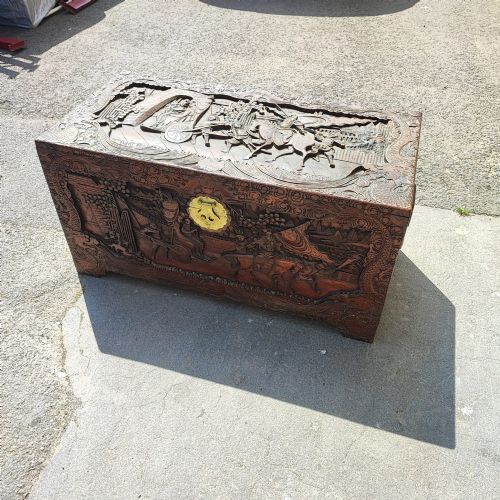
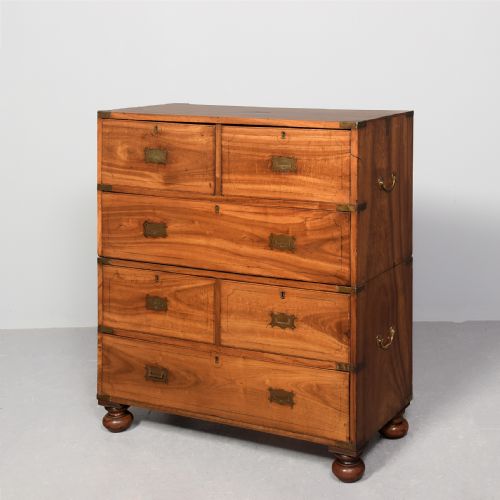
A chinese wood trunk serves as a practical storage box, blanket chest, or travel companion built for endurance across distant journeys. These pieces appear frequently in forms ranging from simple blanket boxes to elaborately carved storage chests and military campaign chests.
Most examples encountered here date from the nineteenth and early twentieth centuries, spanning periods from the eighteenth century through the Republic period. Makers constructed these chests to function as luggage, wedding chests, or secure coffers for merchants and travellers alike.
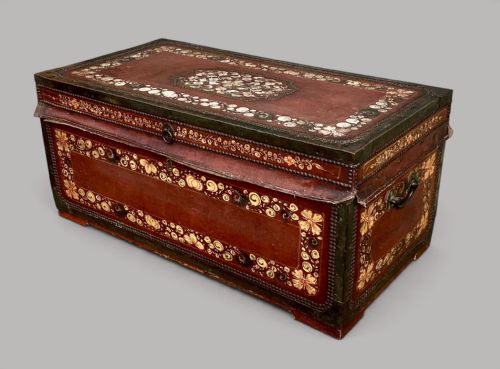
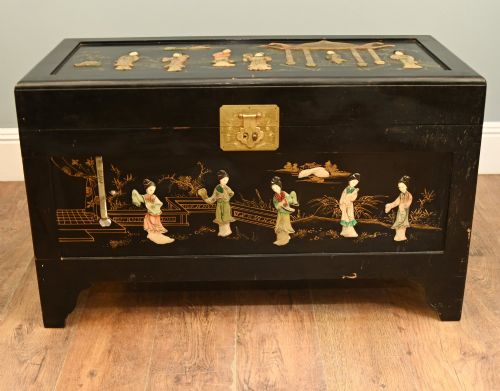
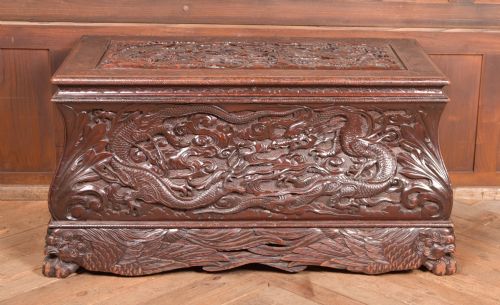
The styles encompass traditional Chinese forms alongside Anglo-Chinese colonial pieces and China Trade export items. Buyers find everything from plain camphor wood utility boxes to richly carved and lacquered receptacles intended for display.
Materials and Construction
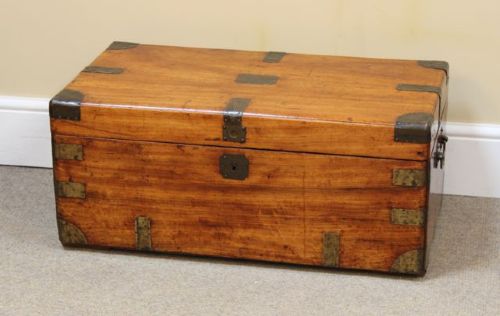
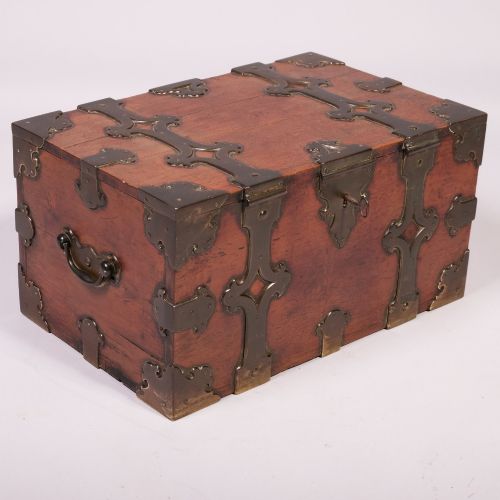
Camphor wood and general hardwood form the primary structural body of these trunks, prized for their durability and insect-repellent properties. Artisans frequently paired these timbers with brass mounts, hinges, and corner brackets to reinforce joints for travel.
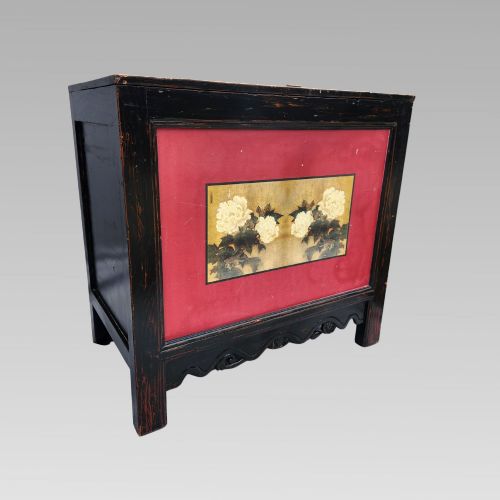
Surface finishes vary from natural carved wood to applied layers of black or red lacquer, leather, and polychrome pigment. Metalwork such as brass strapping and campaign handles provides both functional strength and distinct visual contrast.
Chinese Wood Trunk Retail Price Guide 2026
Typical asking prices for chinese wood trunk among the pieces listed under this phrase on Sellingantiques today, from the lower quarter to the upper quarter. They describe what is for sale here now, not the wider market.
Listings span periods from the 18th century through the 1930s, featuring materials like camphor wood, brass, lacquer, and leather.
Assessing Quality and Execution
The depth and crispness of the carving distinguish finer pieces from simpler utilitarian boxes, particularly on camphor wood surfaces. Deeply articulated motifs demonstrate greater time and skill invested by the artisan.
The integration of substantial brass hardware and solid timber construction marks superior examples, especially among military campaign and export chests. Original surface treatments, such as intact lacquer or period leather coverings, elevate the integrity of the piece.
The Chinese Wood Trunk Glossary
- Camphor wood
- A fragrant timber native to Asia, traditionally utilised for storage trunks because its natural scent protects textiles from moths and damp. This wood forms the vast majority of chests on this page.
- Campaign chest
- A portable set of drawers or a trunk designed for military officers on the move, typically constructed in sections with brass corners and recessed handles. These pieces dismantle easily for transport.
- China Trade
- Goods manufactured in China specifically for export to Western markets during the eighteenth and nineteenth centuries. These items often blend traditional Eastern forms with tastes popular in Europe and America.
- Coffer
- A heavy wooden chest traditionally used for holding valuables, money, or documents. They feature sturdy timber construction and secure lids.
- Lacquer
- A durable resin finish applied in multiple layers to wood and polished to a smooth sheen. It provides both protection and a decorative surface often seen in red or black.
Chinese Wood Trunk: Frequently Asked Questions
What were these trunks originally used for?
These chests served primarily as luggage, travelling boxes, and secure storage for clothing and valuables during long journeys. Many functioned as wedding chests to hold a bride's dowry.
Trunks reinforced with brass and built in sections also acted as campaign furniture for military officers and merchants who required portable storage.
How do I care for a camphor wood trunk?
Keep the wood away from direct heat sources and strong sunlight to prevent the timber from drying out or splitting. Dust regularly with a dry cloth and avoid harsh chemical polishes.
Occasional gentle treatment with a suitable wax maintains the natural lustre of the timber without harming the finish.
How can I tell the age of a chest?
Dating relies on examining the construction methods, the style of the brass hardware, and the specific materials used. Eighteenth-century pieces often display simpler, heavier hardwood frames, while nineteenth-century and early twentieth-century examples frequently utilise camphor wood and elaborate carved motifs.
Trade and export pieces often carry specific stylistic markers associated with treaty ports and specific production decades.
Are all these trunks made of camphor wood?
While camphor wood is the predominant material seen across these listings, other hardwoods, general wood, and lacquered surfaces also appear. Some examples incorporate leather or pigment over a timber core.
Makers selected different woods depending on whether the trunk was intended for utilitarian travel or decorative domestic storage.