
Chinese Wood Table
A chinese wood table brings dense rosewood, elm, and marble into a room through forms that span low opium tables to plant stands.
Chinese Wood Table
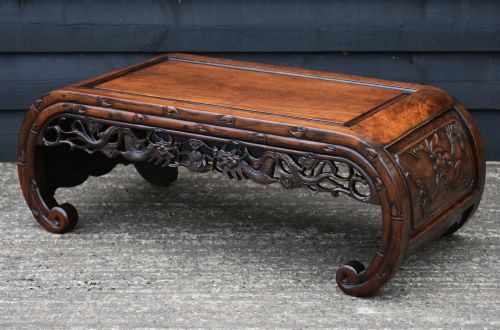
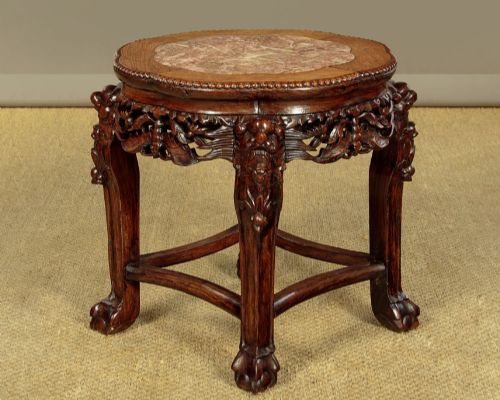
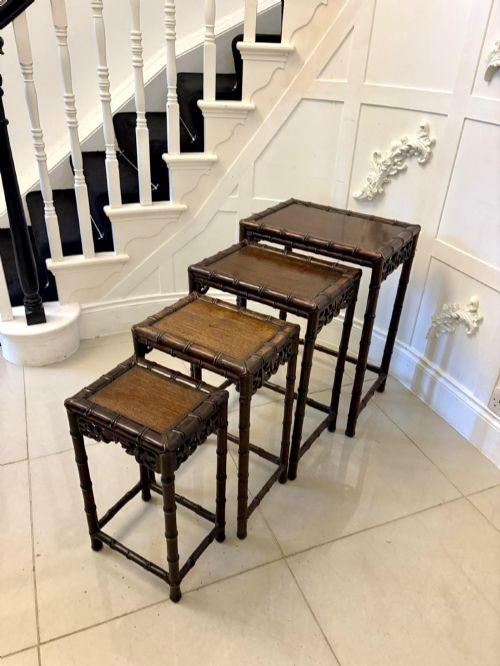
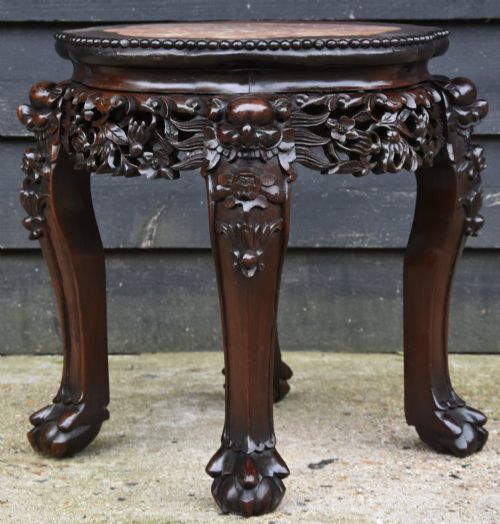
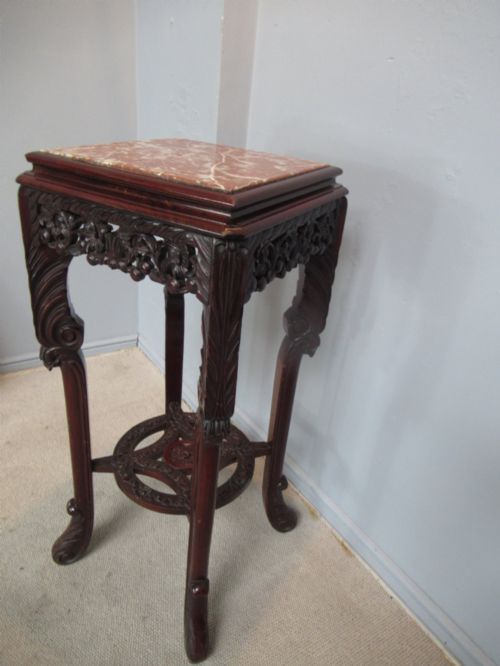
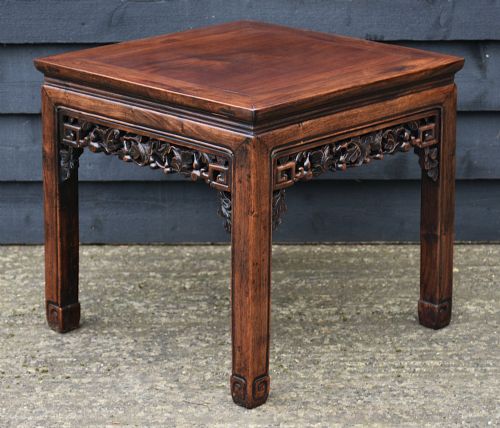
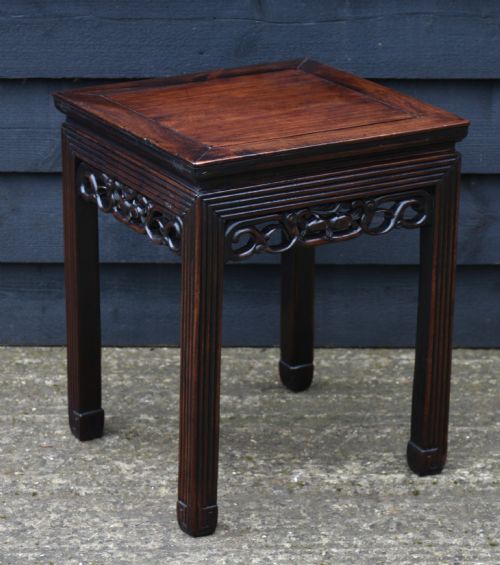
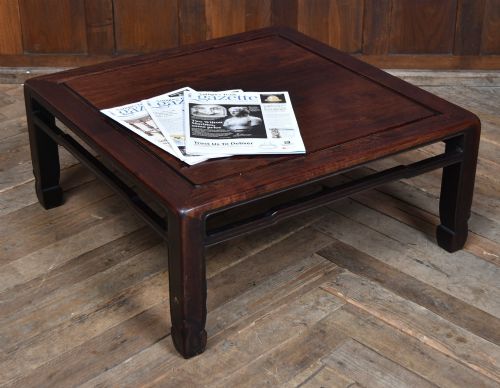
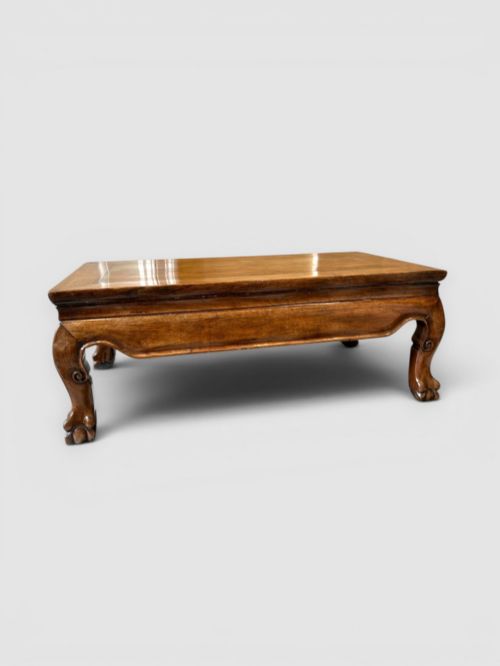
A chinese wood table on this page typically appears as a low side table, coffee table, plant stand, or nesting set originating from the nineteenth century or early twentieth century. These pieces reflect stylistic traditions ranging from Qing Dynasty craftsmanship to Chinese provincial and export designs. Buyers frequently encounter low rosewood opium tables with dragon details alongside marble-top pedestals and freestanding nests.
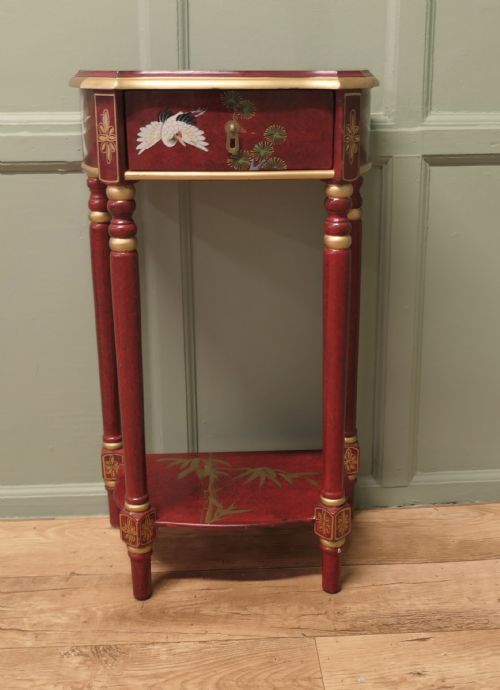
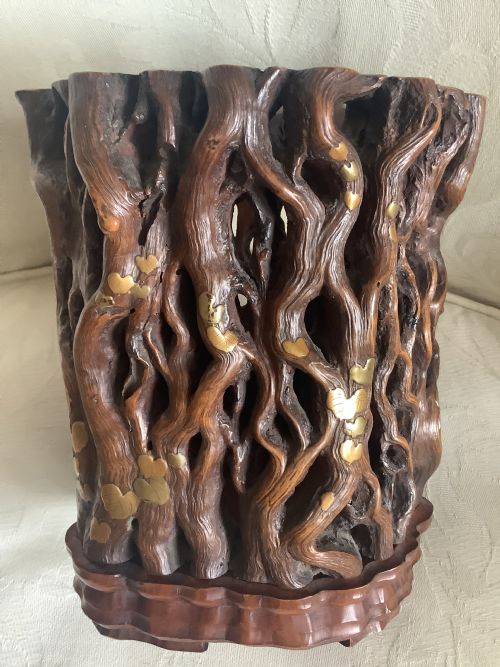
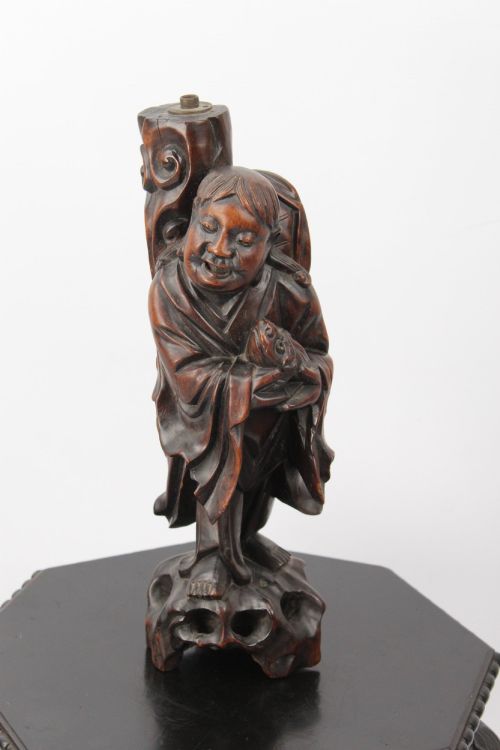
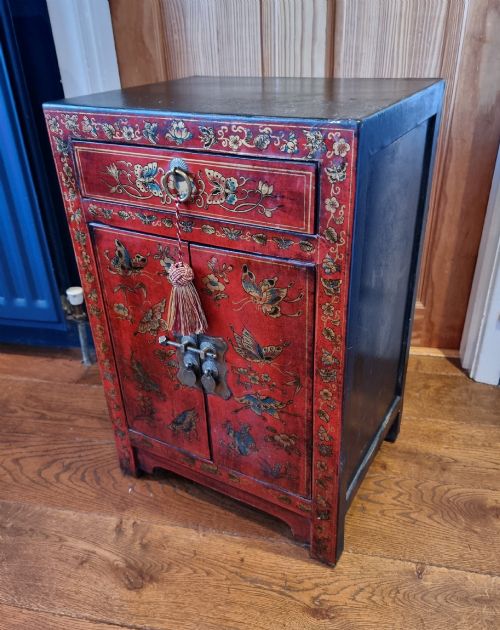
Beyond traditional low tables, the selection incorporates altar tables, console tables, and occasional pieces utilising amboyna, padouk, and lacquer. Forms vary from simple rustic elm stools to heavily carved hardwood stands intended for vases and sculptures. Each piece demonstrates specific regional or period utility, linking domestic seating and display customs directly to the modern interior.
Assessing Quality
Quality separates simple utility furniture from pieces commissioned for elite scholarly or domestic settings by the depth and crispness of the carving. Superior examples display sharply undercut dragon details, balanced proportions, and densely figured rosewood or hongmu timbers with consistent colour. Lesser pieces utilise simpler woods like elm with plain surfaces and minimal decorative carving.
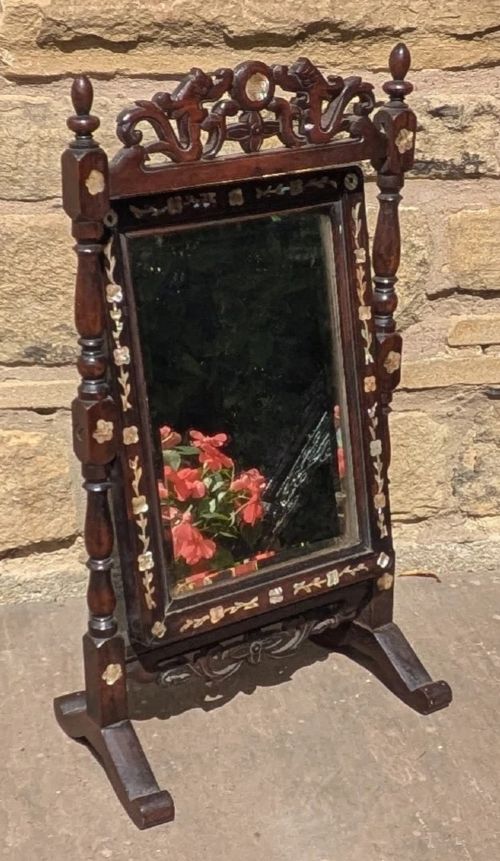
The integration of inset materials such as marble or mother-of-pearl also marks distinction, where tight joints and smooth flush surfaces indicate superior workshop standards. Fretwork panels, balanced legs, and refined edge profiles distinguish bespoke export or Qing Dynasty pieces from later provincial or mass-produced interpretations.
Materials documented across the inventory include rosewood, elm, marble, brass, lacquer, and glass.
The Chinese Wood Table Glossary
- Opium table
- A low rectangular table traditionally used for reclining while smoking or dining. These pieces sit close to the floor and often feature curved legs and carved apron details.
- Hongmu
- A generic Chinese term translating to red wood, used to describe dense, heavy tropical hardwoods including various species of rosewood and padouk. It develops a rich patina over time.
- Altar table
- A long, narrow table with upturned flange ends, historically placed against a wall for ceremonial use. They possess sturdy upright stretcher frames and formal architectural proportions.
- Chinoiserie
- European decorative style imitating Chinese artistic traditions. It appears on lacquer furniture and decorative items produced in the West during the eighteenth and early twentieth centuries.
- Nest of tables
- A graduated set of smaller tables designed to slide neatly beneath one another when not in use. They provide flexible surface space for occasional entertaining.
Chinese Wood Table: Frequently Asked Questions
How were low tables used?
Low tables served multiple domestic functions in traditional settings, including dining, writing, and displaying scholarly objects or flower arrangements. People used them while sitting on cushions or kang platforms rather than standard height chairs.
Over time, these versatile items transitioned into modern living spaces as coffee tables, side tables, or display stands for sculptures and lamps.
What is hongmu wood?
Hongmu refers to a category of dense, durable tropical hardwoods prized in Chinese furniture making for their weight, strength, and deep natural colour. It includes varieties of rosewood and padouk that take a fine polish without needing heavy stains.
This material allowed makers to carve intricate relief patterns that remained crisp and stable over generations of use.
How do I identify Qing Dynasty pieces?
Qing Dynasty items typically feature traditional joinery, dense hardwoods like rosewood or padouk, and detailed hand-carved motifs such as dragons or scrolling foliage. They reflect strict adherence to classical proportions and workshop traditions.
Later pieces from the early twentieth century often show lighter construction, simpler provincial forms, or alternative finishes like red and ochre lacquer.
Where do marble-top stands go?
Marble-top plant and vase stands were designed to elevate heavy ceramic vessels, bronze sculptures, or decorative items off the floor. The stone insert provided a cool, wipe-clean surface resistant to water damage from plants.
In contemporary homes, they function well as bedside tables, corner display pedestals, or standalone accent pieces in hallways.