


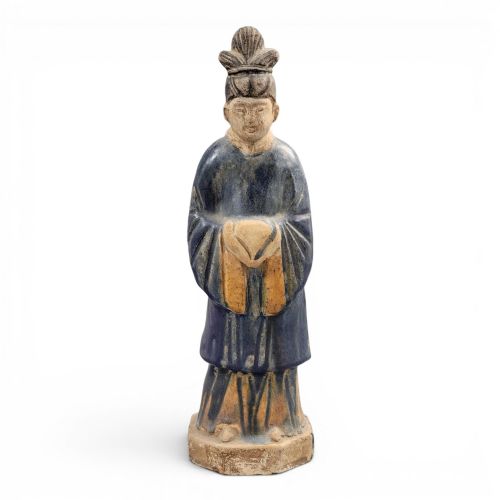


Chinese Terracotta Figures
Chinese terracotta figures are ancient sculptural works depicting animals, guardians, and attendants, offering collectors a direct link to early funerary traditions.
Chinese Terracotta Figures
When you search for chinese terracotta figures, you are looking at ceramic sculptures produced across various dynastic eras and subsequent revival periods. The pieces appearing here range from pre-sixteenth century antiquities to early twentieth-century interpretations made in historical styles.
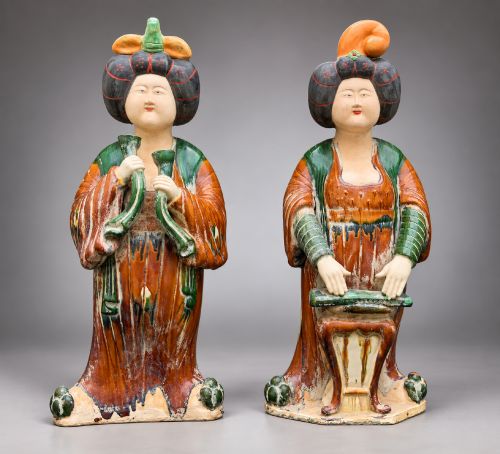
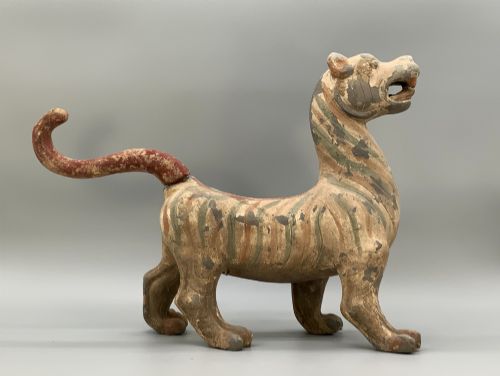
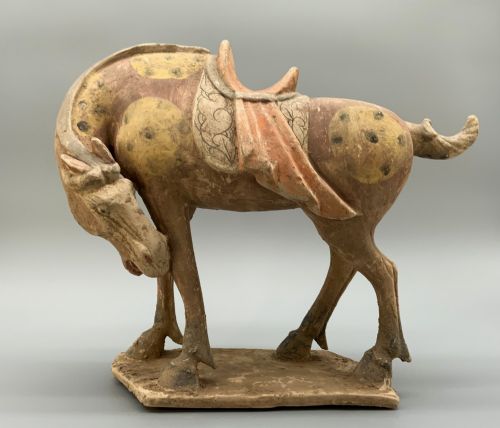
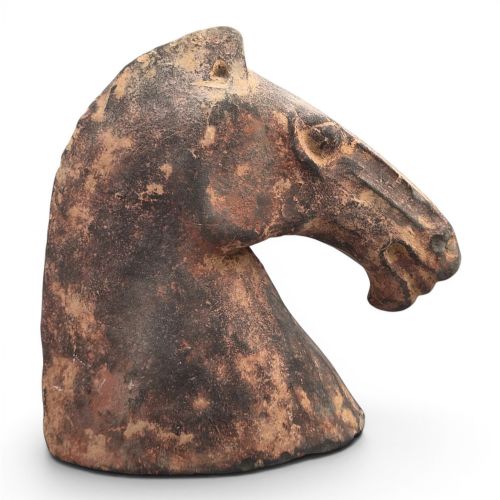
You are most likely to meet ceramic figures originating from Han and Tang dynasty traditions, alongside later pieces modelled in those same aesthetic frameworks. These encompass guardian beasts, horses, musicians, dancers, and court attendants designed as tomb figures.
The forms extend from small individual figurines to larger sculptural pairs and musical bands. Their historical purpose was to accompany the deceased into the afterlife, serving as protective or domestic attendants.
Materials and construction methods
Many examples utilise lead glazes and sancai tripartite colour schemes involving amber, green, and cream tones. These glazes pool and run across the pottery body during the high-temperature kiln firing, creating characteristic surface variations.
Chinese Terracotta Figures Retail Price Guide 2026
Typical asking prices for chinese terracotta figures among the pieces listed under this phrase on Sellingantiques today, from the lower quarter to the upper quarter. They describe what is for sale here now, not the wider market.
Listings incorporate earthenware, terracotta, and grey clay, alongside pieces finished with mineral pigments and lead glazes.
Assessing quality and execution
Quality rests in the modelling of the form, where fluid lines and expressive postures distinguish superior figures from stiffer, more perfunctory work. The vitality of a horse or the poise of a dancer indicates the sculptor's skill.
The preservation of original mineral pigments and the depth of the lead glaze contribute heavily to a piece's visual impact. Intact surfaces with clear traces of ancient painting or glossy, unblemished glazes elevate the overall standard.
The Chinese Terracotta Figures Glossary
- Mingqi
- Spirit or tomb furniture placed in burials to serve the deceased in the afterlife. These objects include figures of attendants, animals, and guardians.
- Sancai
- Three-colour lead glaze tradition prominent in Tang dynasty ceramics. The palette typically combines amber, green, and creamy white or straw tones.
- Han Dynasty
- An imperial period spanning from two hundred BC to two hundred AD known for grey pottery figures and painted terracotta horses.
- Tang Dynasty
- A historical era celebrated for vibrant ceramic figures finished with lead glazes and detailed pigment work.
- Foo Dog
- Traditional guardian lion sculptures placed at temple entrances and tombs for protection.
Chinese Terracotta Figures: Frequently Asked Questions
What are mingqi figures?
Mingqi are funerary objects placed inside tombs to accompany the deceased. They represent attendants, animals, and guards.
These figures were believed to provide service and protection in the afterlife, reflecting the social status of the buried individual.
How do I care for glazed terracotta?
Keep pottery figures in a stable environment away from direct sunlight and excessive moisture. Dust them gently with a dry, soft cloth.
Avoid using liquid cleaners or abrasive materials that could damage fragile earthen bodies or delicate mineral pigments.
How are Tang and Han figures different?
Han dynasty pieces often utilise grey earthenware with painted pigment details, focusing on linear forms and architectural posture. Tang figures frequently feature colourful lead glazes and rounder, more naturalistic styling.
Both periods served funerary functions but employed distinct clay bodies and decorative techniques.
What is sancai glaze?
Sancai translates to three colours and describes a low-firing lead glaze technique. It uses mineral oxides to produce amber, green, and cream tones.
The glazes melt during firing, running down the pottery surface to create mottled patterns.