


Chinese Seating Furniture
Chinese seating furniture brings carved hardwoods, lacquer and cane into the room through armchairs, benches and stools made across the nineteenth and early twentieth centuries.
Chinese Seating Furniture
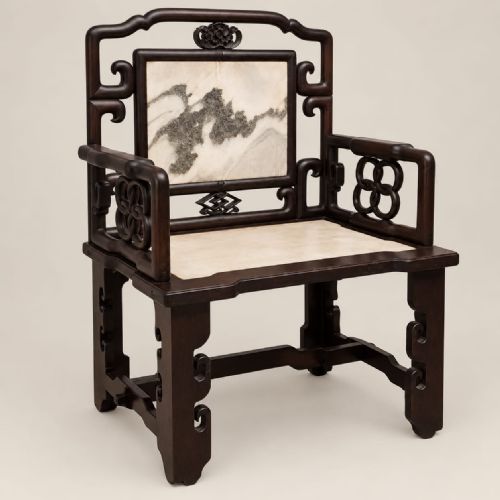
Chinese seating furniture encompasses armchairs, benches, stools, settles and parlor suites originating from the eighteenth to the twentieth century. These pieces emerge from periods such as the Qing Dynasty and the Victorian era, reflecting both traditional domestic forms and export trade production.
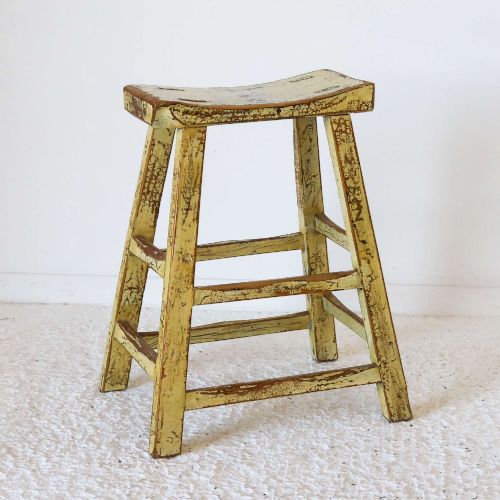
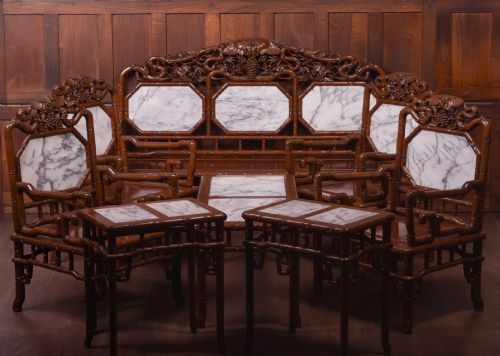
The most frequent items on this page are nineteenth-century hardwood armchairs and benches, alongside lacquered elm stools and seated sets. Makers employed regional woods and specific structural frames like horseshoe designs to build durable seating for halls and living spaces.
How they were made
Craftsmen shaped these items using dense hardwoods like hongmu, huali and huanghuali, alongside softer timbers such as elm and blonde wood. Artisans joined frame components through traditional joinery without relying on metal fasteners.
Surfaces received intricate carved decoration, cinnabar lacquer, mother of pearl inlay or brass wire inlays. Seats frequently integrated woven cane work, marble inserts or solid wooden panels.
Listings feature seating forms from the eighteenth to the twentieth century, constructed in hardwood, elm, lacquer, bamboo and cane.
What varies in quality
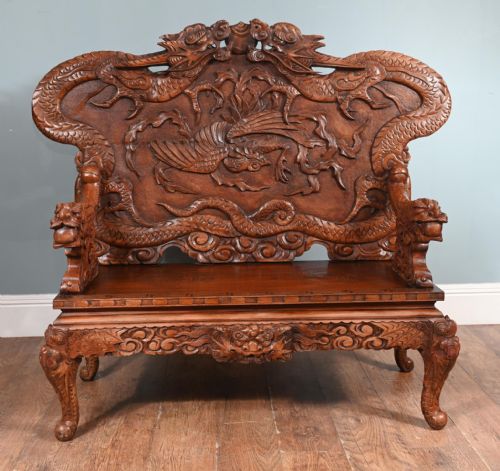
Quality depends on the density and selection of the timber, where dense hongmu and figured hardwoods denote superior production compared to simpler elm or general softwood construction. The depth and crispness of hand-carved dragon motifs or floral panels distinguish skilled workshops from basic commercial output.
Structural integrity relies on original joinery remaining tight and unaltered over time. Pieces retaining their original lacquer finishes, cane work or marble seats hold greater historical and material consistency.
The Chinese Seating Furniture Glossary
- Hongmu
- A dense, heavy tropical hardwood used in traditional Chinese furniture construction. It translates literally to red wood and develops a dark patina over time.
- Horseshoe chair
- An armchair style featuring a continuous curved backrest and arm rail that sweeps downward in a single fluid arc.
- Cinnabar lacquer
- A decorative surface treatment created by applying multiple layers of coloured tree sap and carving detailed designs into the hardened coating.
- Cane
- Woven rattan material utilised for seat panels to provide flexible support.
- Settle
- A wooden wooden bench featuring a high back and solid arms designed to block drafts in domestic interiors.
Chinese Seating Furniture: Frequently Asked Questions
What woods were used for chinese seating furniture?
Carpenters utilised a range of timbers including dense Asian hardwoods like hongmu, huali and huanghuali. Softer woods such as elm and bamboo also appear across stools, benches and child carriages.
Exotic hardwoods provided structural strength for intricate carving, whilst lighter woods suited simpler regional seating forms.
What is qing dynasty seating?
Qing Dynasty seating covers pieces produced during the final imperial dynasty of China, spanning from the seventeenth to the early twentieth century. These works often display deep relief carving and formal proportions.
Items from this era include throne chairs, dressing stools and matching hall suites.
Where were these chairs placed originally?
Such seating was positioned in reception halls, parlours and private chambers of traditional Chinese homes. Larger benches and settles furnished public rooms to seat multiple guests.
Matching suites coordinated formal interior spaces for family gatherings and official visitors.