



Chinese Porcelain Tray
These Chinese porcelain tray examples range from blue and white serving dishes to armorial dishes, offering refined craftsmanship for your table.
Chinese Porcelain Tray
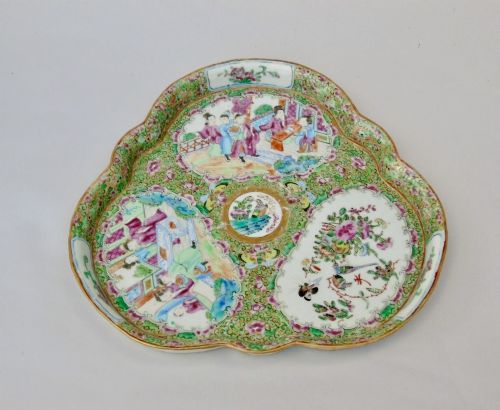
A Chinese porcelain tray brings together traditional eastern ceramic production and functional western dining or display forms. When you search for a Chinese porcelain tray, you encounter items spanning the eighteenth and nineteenth centuries, including blue and white serving platters, famille rose dishes, and trefoil trays.
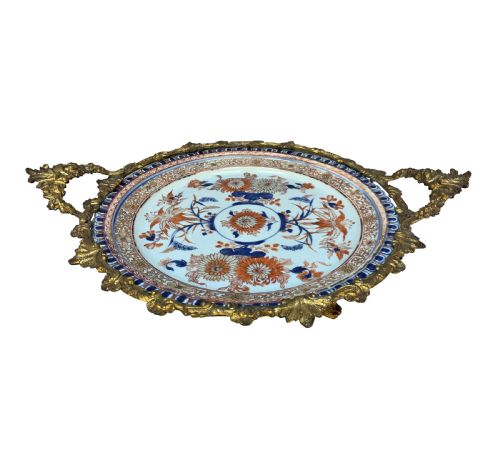
The pieces often feature intricate hand-painted motifs such as peonies, songbirds, or heraldic armorial designs. You are likely to meet both pure export wares made for the European market and hybrid creations incorporating European mounts.
Forms vary from simple rectangular platters and hexagonal planters with drip trays to shamrock-shaped dishes and pierced chestnut baskets with stands. Each piece reflects the enduring exchange of aesthetic ideas between China and the west over centuries.
How they were made
Makers utilised hard-paste porcelain as the primary foundation, shaping the clay by hand or in moulds before firing at high temperatures. Overglaze enamel decoration was then applied in vibrant palettes, including the famille rose and famille verte styles.
Many items incorporate additional decorative elements such as gold leaf, gilt, ormolu, or gilt bronze mounts. These metal mounts were frequently added by European workshops to elevate utilitarian porcelain vessels into ornamental display pieces for aristocratic interiors.
Chinese Porcelain Tray Retail Price Guide 2026
Typical asking prices for chinese porcelain tray among the pieces listed under this phrase on Sellingantiques today, from the lower quarter to the upper quarter. They describe what is for sale here now, not the wider market.
Design styles recorded include Chinese Export, Qing Dynasty, French Rococo, and Victorian Chinoiserie.
What varies in quality
Quality rests upon the precision of the hand-painted brushwork and the clarity of the enamel colours. Superior examples display crisp details in floral or avian motifs, whereas lesser pieces show rushed application and muddy pigment blending.
The integrity of the porcelain body and the finesse of any metal mounts also define the hierarchy. Finely cast ormolu mounts that complement rather than overwhelm the ceramic form indicate higher workshop standards.
Minton
The Chinese Porcelain Tray Glossary
- Famille Rose
- A palette of opaque rose-pink enamel introduced in the eighteenth century. It allowed artists to achieve delicate shading and botanical realism.
- Ormolu
- Gilt bronze mounted onto decorative objects. French rococo workshops frequently employed this technique to frame ceramic dishes.
- Hard-paste porcelain
- A dense ceramic compound fired at very high temperatures. It produces a ringing tone when struck and resists scratching.
- Armorial
- Bearing a coat of arms. These custom designs were commissioned by European families for export porcelain services.
Chinese Porcelain Tray: Frequently Asked Questions
How do I date a Chinese porcelain tray?
Dating relies on stylistic markers, palette characteristics, and the nature of any associated mounts. Eighteenth-century pieces often feature hand-pencilled cobalt underglaze or early famille rose enamels, while later nineteenth-century examples display denser Canton decoration.
Examination of the foot rim and the unglazed clay beneath also provides clues. Earlier bodies tend to feel smoother and show subtle potting variations typical of historical kilns.
Were these trays used for food?
Many large platters and serving dishes were originally commissioned for grand dining tables during the export trade era. They served meats, side dishes, or sweetmeats.
Over time, numerous decorative trays and dishes transitioned into display objects. Their delicate enamel surfaces and metal mounts suggest they spent much of their lives adorning sideboards or cabinets.
What is Chinese Export porcelain?
Chinese Export porcelain refers to ceramics manufactured in China specifically for overseas markets in Europe and the Americas. Chinese potters adapted traditional forms and decorative motifs to suit western tastes and dining habits.
These wares combined imperial manufacturing expertise with shapes requested by foreign trading companies. The resulting objects bridged distinct cultural design traditions.