



Chinese Foo Dog Porcelain Jar
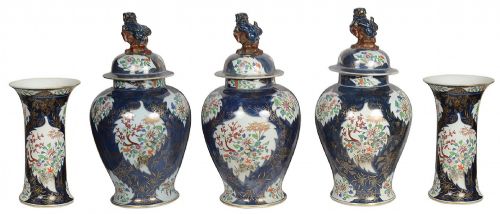
A chinese foo dog porcelain jar brings protective guardian figures into your interior with striking cobalt blue and polychrome enamels.
Chinese Foo Dog Porcelain Jar
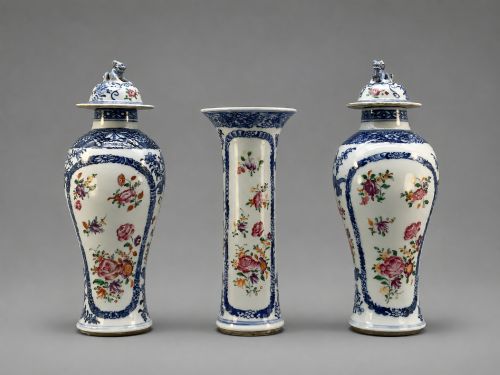
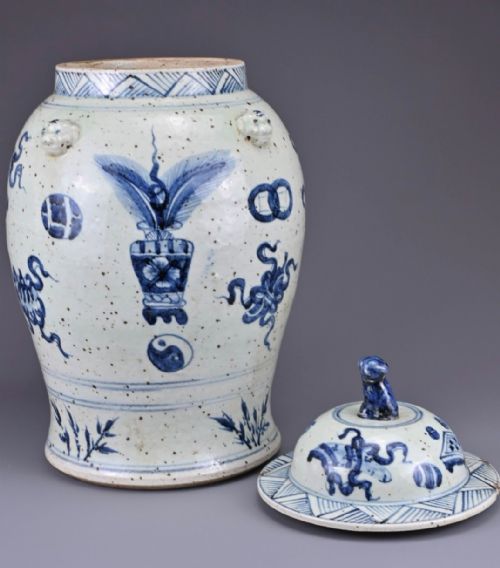
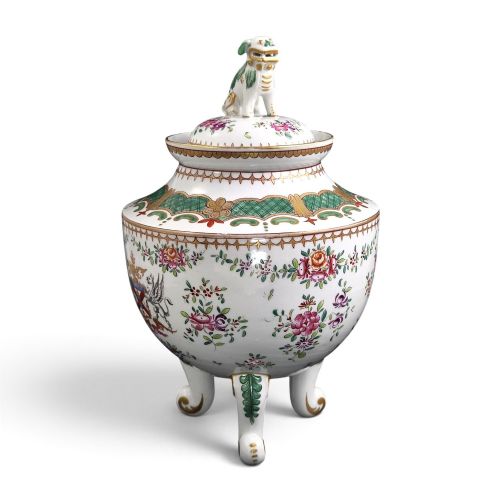
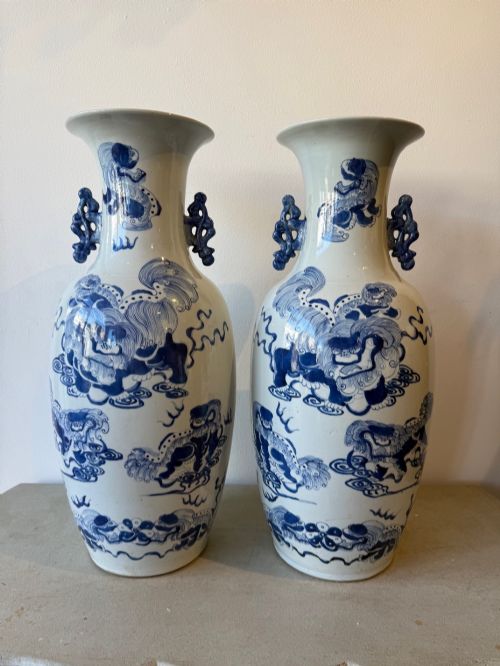
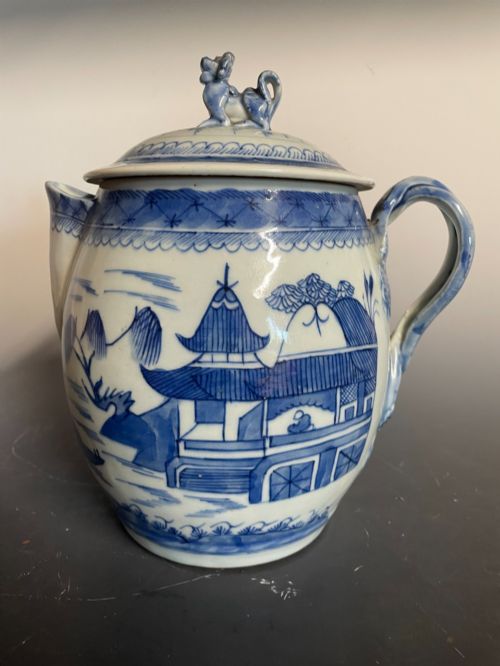
A chinese foo dog porcelain jar combines vessel forms with guardian lion motifs, appearing in blue and white pigments, wucai palettes, and famille rose enamels across this selection.
The objects span centuries of production, including pieces from the seventeenth century, the nineteenth century, and the early twentieth century, alongside revival styles.
Forms range from large baluster lidded vessels and temple jars to smaller covered containers and garnitures, often accompanied by wooden furniture.
How They Were Made
Makers shaped hard paste porcelain and ceramic bodies before applying cobalt pigment underglaze and vibrant enamel colours including iron red and green.
Details received finishing touches in gold leaf, while protective glazes sealed the surface prior to high temperature kiln firing.
Chinese Foo Dog Porcelain Jar Retail Price Guide 2026
Typical asking prices for chinese foo dog porcelain jar among the pieces listed under this phrase on Sellingantiques today, from the lower quarter to the upper quarter. They describe what is for sale here now, not the wider market.
The selection includes forms described as baluster vases, temple jars, and garnitures alongside occasional tables.
What Varies in Quality
Depth of pigment and precision of brushwork separate standard production from superior examples, particularly in complex multi coloured scenes like wucai and doucai.
The presence of matching original covers and the crispness of moulded or painted guardian lion details distinguish the finer vessels.
The Chinese Foo Dog Porcelain Jar Glossary
- Foo dog
- A traditional guardian lion sculpture, also known as a Buddhistic lion, painted on ceramic vessels for protection. These mythical beasts frequently surmount jar lids or decorate the main body.
- Wucai
- A ceramic decorating technique meaning five colours, combining underglaze blue with overglaze enamels. Red, green, and yellow frequently appear alongside the blue outlines.
- Famille rose
- A palette of opaque overglaze enamel colours introduced in the Qing dynasty, dominated by pink and rose shades. This style allowed for nuanced shading in floral and figural motifs.
- Doucai
- A technique where outlines are painted in underglaze blue, glazed, fired, and then filled in with overcoloured enamels before a second low temperature firing. The resulting decoration sits harmoniously across the glazed surface.
Chinese Foo Dog Porcelain Jar: Frequently Asked Questions
What is a chinese foo dog porcelain jar?
These vessels are ceramic containers featuring painted guardian lions, which symbolise protection and prosperity in traditional settings.
They function as decorative focal points, often complete with matching lids and intricate enamel or cobalt blue painting.
How were these jars used historically?
Historically, such jars served for storage or as prominent display pieces within interior spaces.
Their lids helped preserve dry goods or aromatics, while the exterior imagery conveyed status and cultural symbolism.
How do I style a jar at home?
Place a lidded jar on a sturdy surface such as a wooden occasional table or mantelpiece to let the painted details stand out.
Pairing matching pairs symmetrically creates a formal arrangement within a room.
How can I tell the period of a jar?
Dating relies on examining the pigment characteristics, glaze consistency, and stylistic markers associated with dynasties and revival periods.
Twentieth century pieces often show different potting techniques compared to seventeenth century transitional wares or nineteenth century export items.