



Chinese Export Imari
Chinese export imari pieces are decorated porcelain objects made for Western markets, prized for their striking iron-red, blue, and gold palette.
Chinese Export Imari
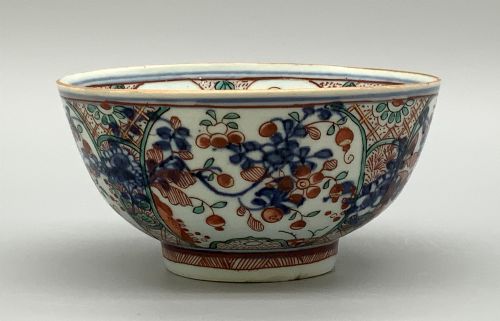
Chinese export imari items encompass a variety of forms made in China for international buyers, including plates, bowls, dishes, chargers, jardinières, teapots, and mugs. These pieces bridge traditional Eastern shapes with the decorative tastes of Western households during the Qing dynasty and Georgian eras.
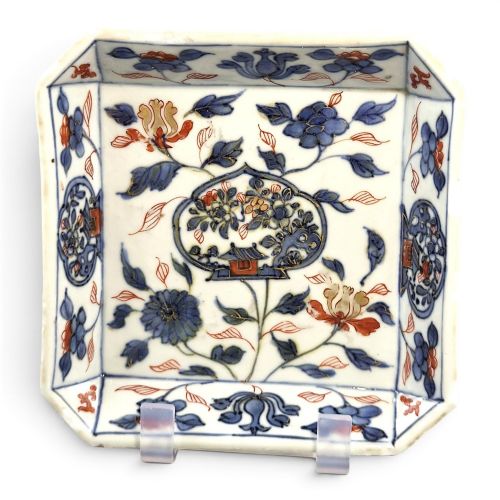
The objects most frequently met on this page belong to the eighteenth century, spanning the Kangxi period and later decades. Common domestic and decorative vessels such as plates, chargers, and square bowls dominate the selection, often demonstrating the classic palette.
The origin of these wares lies in Chinese kilns producing specifically for export, adapting Japanese imari colour schemes onto durable porcelain bodies. Collectors encounter both utilitarian tea and dining vessels and larger decorative forms designed for display.
How they were made
Potters formed these items using fine porcelain and ceramic materials, shaping them into plates, bowls, octagonal teapots, and large tankards. The body was typically fired before receiving underglaze blue painting and subsequent overglaze enamel work.
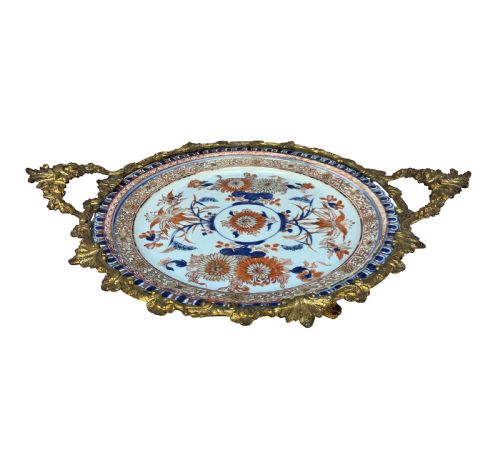
Makers applied rich enamel colours alongside gold leaf and gilding to create the characteristic imari contrast against the white porcelain ground. Some pieces incorporate metal mounts, ormolu, and gilt bronze added by European craftsmen to enhance the functional or decorative presentation.
Chinese Export Imari Retail Price Guide 2026
Typical asking prices for chinese export imari among the pieces listed under this phrase on Sellingantiques today, from the lower quarter to the upper quarter. They describe what is for sale here now, not the wider market.
Materials recorded on this page include porcelain, ceramic, enamel, glaze, gold leaf, metal, ormolu, and gilt bronze.
What varies in quality
The precision of the brushwork and the vibrancy of the enamel and gold leaf application separate standard utilitarian wares from superior examples. Crispness in moulded shapes, such as chamfered square bowls or octagonal teapots, indicates careful kiln control and skilled potting.
The addition of decorative mounts, such as ormolu or gilt bronze, introduces another tier of craftsmanship where European metalwork meets Asian porcelain. The harmony between the ceramic body and any later metal mounts influences the overall aesthetic merit of the piece.
The Chinese Export Imari Glossary
- Imari
- A style of ceramic decoration originating in Japan and adopted by Chinese kilns, defined by a palette of underglaze blue, iron-red, and gilt highlights. This distinct colour scheme became immensely popular across Europe during the export period.
- Kangxi Period
- The era spanning the reign of the Kangxi Emperor, associated with high standards of porcelain production and refined blue and white painting. Pieces from this period often display superior potting and deep cobalt tones.
- Ormolu
- Finely chased and gilt bronze used for decorative mounts on porcelain vessels. French rococo mounts are frequently found elevating the status of imported bowls and plates.
- Jardiniere
- A large ornamental pot designed to hold growing plants or flowers. These vessels often feature robust porcelain walls to support larger decorative schemes.
- Chamfered Square
- A four-sided form with the corners pared away or bevelled at an angle. This geometric shaping appears frequently on bowls and dishes of the period.
Chinese Export Imari: Frequently Asked Questions
What is chinese export imari?
Chinese export imari refers to porcelain manufactured in China for Western markets using a distinct palette of blue, iron-red, and gold. These wares combine traditional Chinese ceramic techniques with decorative styles tailored for European buyers.
Potters produced a wide array of useful and decorative items, from teapots and mugs to large chargers and jardinières, which remain sought after by collectors today.
How were these pieces used?
Many items served practical daily functions in eighteenth-century households, such as drinking tea from octagonal teapots or serving food from large plates and bowls. Mugs and tankards were utilised for beverages during social dining.
Other forms, including jardinières and mounted plates, served purely decorative roles in grand interiors, often displayed on furniture or incorporated into European metalwork.
How do I date a piece?
Dating relies on examining the potting style, the characteristics of the porcelain body, and the specific tones of the underglaze blue and overglaze enamels. Kangxi period pieces often show distinct blue depth and fine body preparation.
Stylistic cues, such as the presence of French rococo metal mounts or specific geometric forms like chamfered squares, also help narrow down the century of manufacture.
Are metal mounts original?
Metal mounts in ormolu or gilt bronze were frequently added by European craftsmen shortly after the porcelain arrived from China. These additions adapted Asian wares to suit Western interior fashions of the eighteenth century.
Examining how the bronze or ormolu interacts with the ceramic surface helps determine the period of the mount relative to the porcelain body.