



Chinese Earthenware Sculpture
Chinese earthenware sculpture spans ancient burial figures and later glazed animals, offering tangible connections to early dynasties.
Chinese Earthenware Sculpture
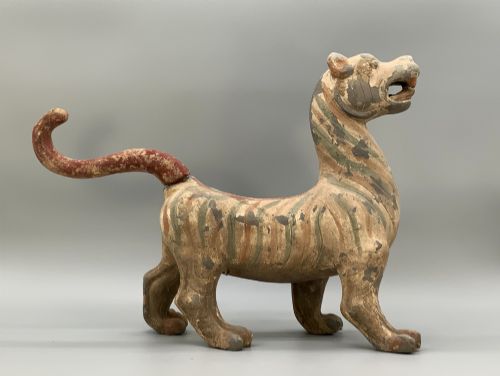
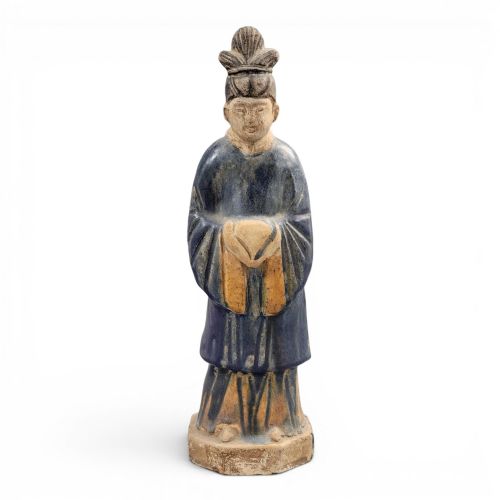
When you search for chinese earthenware sculpture, you encounter funerary figures, court attendants, and mythical beasts originating from various periods including the Han and Tang dynasties.
The pieces available include grey pottery dancers, tomb figures, and turquoise glazed studies dating from pre-16th century origins through to the early twentieth century.
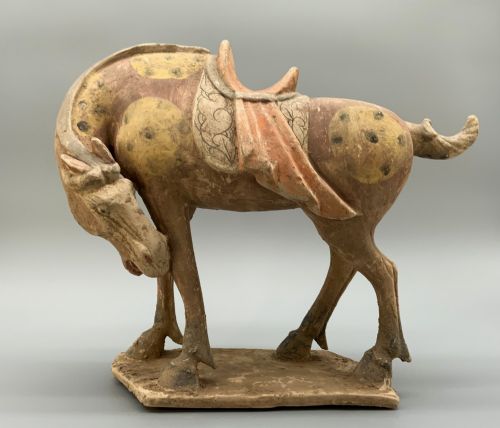
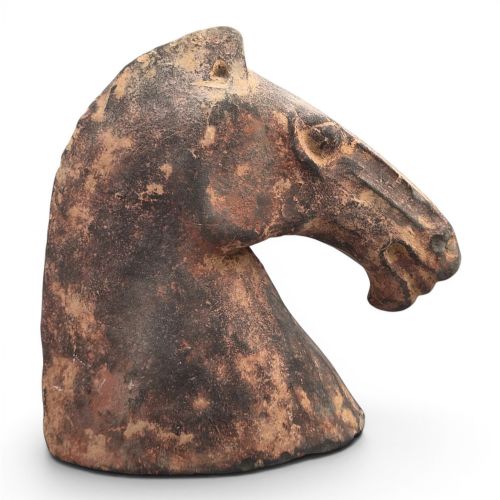
You are most likely to meet terracotta horse heads, sancai glazed horses, and musical band figurines reflecting ancient burial practices and later stylistic revivals.
Materials and construction
These works are formed from clay, terracotta, and grey pottery, shaped into figures and animals destined for ancient tombs.
Mineral pigments and lead glazes, including sancai green and amber tones, are applied to the surfaces of the ceramic sculptures.
Chinese Earthenware Sculpture Retail Price Guide 2026
Typical asking prices for chinese earthenware sculpture among the pieces listed under this phrase on Sellingantiques today, from the lower quarter to the upper quarter. They describe what is for sale here now, not the wider market.
Assessing quality and authenticity
The distinction between top-tier examples and later revivals rests upon the preservation of original mineral pigments and the crispness of the moulded details.
Early burial figures display the organic wear and burial encrustations expected of ancient items, whereas revival pieces from the twentieth century show different surface characteristics.
The Chinese Earthenware Sculpture Glossary
- Mingqi
- Burial objects placed in tombs to accompany the deceased into the afterlife. These ceramic figures represent attendants, animals, and guardians.
- Sancai
- A three-colour glaze technique characteristic of Tang dynasty ceramics, typically utilising amber, green, and cream or white tones.
- Terracotta
- Fired clay used extensively for ancient sculpture before the widespread adoption of porcelain. It provides a porous and robust base for pigments.
- Han Dynasty
- A historical period producing grey pottery and painted terracotta figures. Art from this era emphasises expressive form and stark posture.
Chinese Earthenware Sculpture: Frequently Asked Questions
What is a mingqi?
A mingqi is a spirit object created specifically for burial in tombs. These figures were designed to serve and protect the deceased in the afterlife.
They commonly take the form of attendants, soldiers, dancers, and animals such as horses or mythical beasts.
What does sancai mean?
Sancai translates as three colours and refers to the lead-glazed pottery style prominent during the Tang dynasty. The glazes typically combine amber, green, and cream.
Over the centuries, later workshops produced pieces in this exact style to emulate the aesthetic of the Tang period.
How are ancient figures dated?
Dating relies upon the style of the modelling, the type of clay or terracotta used, and the presence of burial alterations. Characteristics specific to the Han or Tang dynasties help establish the period.
Scientific testing and stylistic comparison with museum examples further clarify the age of the piece.
Where were these sculptures found?
The majority of these earthenware figures were recovered from ancient Chinese tombs and burial sites. They formed part of elaborate subterranean arrangements intended for the afterlife.
Over time, these burial goods entered collections and museums worldwide.