






Chinese Decorative Art
Chinese decorative art brings together centuries of skilled craftsmanship in wood, enamel, lacquer and porcelain to transform domestic interiors.
Chinese Decorative Art
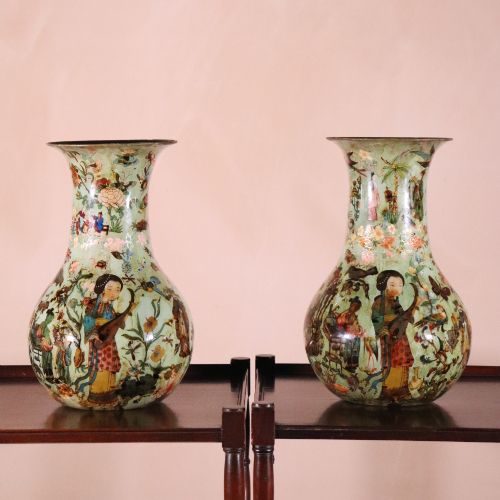
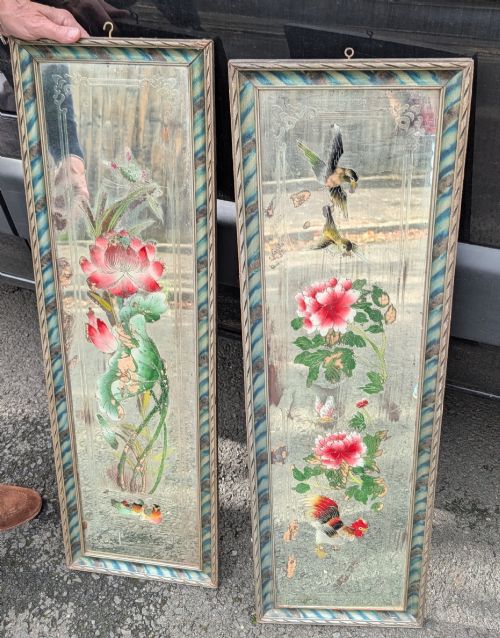
Chinese decorative art encompasses a wide range of objects from the 18th century onwards, including vessels, wall panels and mirrors. Vases, bowls and framed paintings represent the primary forms encountered within this selection.
The material palette spans traditional mediums such as cinnabar lacquer, painted enamel, carved bone and porcelain. Pieces range from imperial-style dishes to export works created for Western markets.
Stylistic influences reflect various historical periods, notably the Qing dynasty and later Chinoiserie interpretations. Examples include both authentic period pieces and subsequent adaptations produced in Europe.
Materials and construction methods
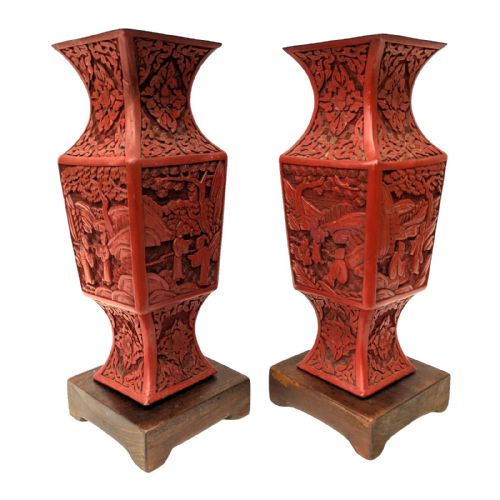
Lacquered objects utilise multiple layers built upon a wood base, allowing artisans to carve intricate relief designs or embed mother-of-pearl and abalone inlay. Cinnabar lacquer requires patient application of red pigment before deep manual carving.
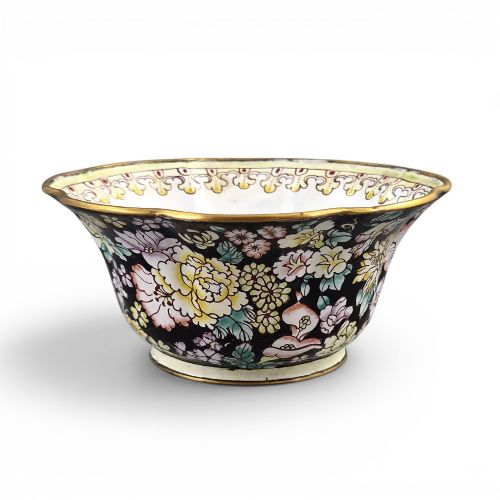
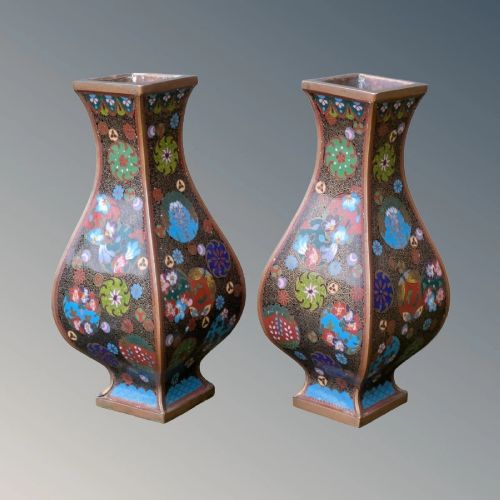
Enamel work involves fusing vitreous pastes onto copper or bronze bases, seen in Canton painted pieces and cloisonne. Plique-a-jour employs a similar cellular framework without a backing, creating a translucent stained-glass effect.
Porcelain and pottery pieces are shaped from refined clay, glazed and fired at high temperatures, often incorporating detailed overglaze enamels or gold leaf accents. Carved bone and wood items rely on meticulous hand-choking and joinery.
Chinese Decorative Art Retail Price Guide 2026
Typical asking prices for chinese decorative art among the pieces listed under this phrase on Sellingantiques today, from the lower quarter to the upper quarter. They describe what is for sale here now, not the wider market.
A four-storey bird cage proves that avian residents enjoyed architectural ambition just as much as their human owners.
Factors determining quality
Quality rests upon the precision of the handwork, visible in the depth of carving on lacquer panels and the fineness of brushwork on painted porcelain dishes. Superior examples display disciplined control over intricate motifs and balanced composition.
The integrity of the materials dictates longevity and visual impact, from the density of the carved wood to the evenness of enamel firing. Well-preserved surfaces retain their original sheen and structural stability without crude repairs.
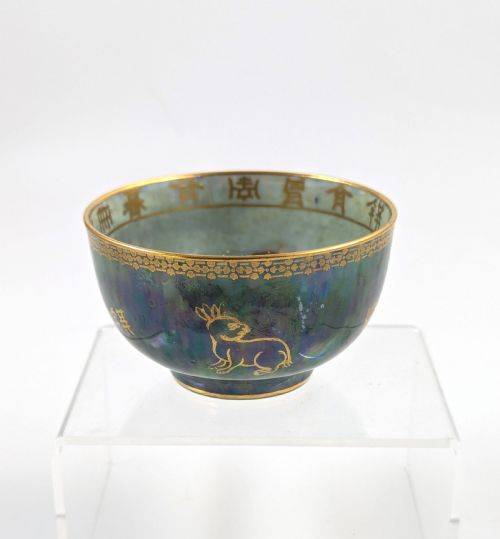
Daisy Makeig-Jones Wedgwood
The Chinese Decorative Art Glossary
- Cinnabar lacquer
- A technique involving numerous layers of red mercuric sulphide lacquer applied to a core and subsequently carved with detailed scenes or patterns. This laborious process yields deep relief and a tactile finish.
- Cloisonne
- Enamelling work where metal wires form small compartments on a metal base, which are then filled with coloured paste and fired. The resulting cells create distinct borders between colours.
- Canton enamel
- Painted enamel produced in the Guangdong province, typically featuring vibrant overglaze decoration on copper bases. These items often combine traditional Chinese motifs with Western trade influences.
- Plique-a-jour
- An enamelling technique resembling cloisonne, but with a transparent or translucent ground that lets light pass through. The enamel rests within open metal frames.
- Famille Rose
- A palette of opaque overglaze enamels dominated by pink or rose colours, introduced during the Qing dynasty. It allowed for subtle tonal gradations in floral and figural painting.
Chinese Decorative Art: Frequently Asked Questions
What counts as Chinese decorative art?
Chinese decorative art covers portable and architectural objects made for display or daily use, spanning lacquerware, ceramics, metalwork and textiles. The category highlights the applied arts rather than purely ritual or bureaucratic items.
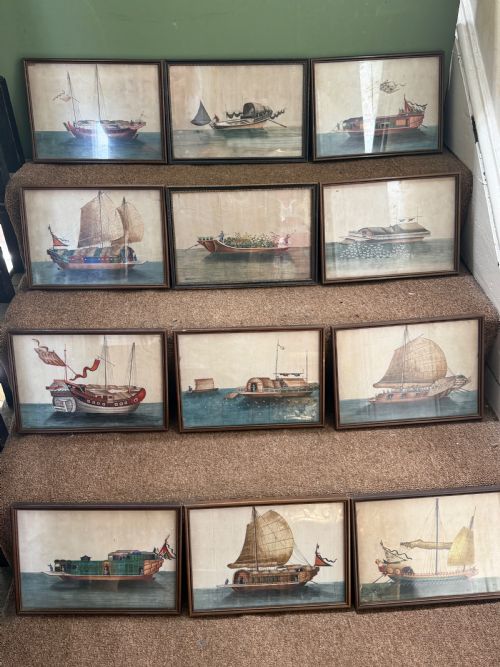
Items range from small carved opium pipes and framed export paintings to large architectural elements like painted cart doors. Each piece demonstrates specific regional techniques handed down through generations.
How do I date an antique piece?
Dating relies on examining material composition, tool marks, stylistic conventions and any reign marks present on ceramics or enamel. Comparing construction methods against known historical periods helps narrow the timeframe.
Materials such as old wood, natural lacquers and hand-beaten copper display distinct ageing characteristics that differ from modern reproductions. Documentation or provenance records also assist in establishing a reliable chronology.
How were lacquer panels displayed?
Lacquered panels were typically hung on interior walls or mounted as tabletop screens to add colour, texture and narrative scenes to a room. Their reflective surfaces caught ambient candlelight.
Many export panels were produced in sets specifically to fit Western domestic architecture, functioning much like contemporary wall art or decorative wainscoting.
How do I care for lacquer and enamel?
Lacquer and enamel require stable indoor humidity and temperature to prevent wood movement beneath the surface or cracking in the vitreous layers. Direct sunlight should be avoided to preserve pigment vibrancy.
Dusting should be performed gently with a soft, dry cloth without applying commercial polishes or cleaning solvents. Hand-carved details benefit from occasional inspection by a professional conservator.