





Chinese Carved Screen
A chinese carved screen brings architectural weight and intricate narrative detail to a room, spanning folding room dividers to delicate table displays.
Chinese Carved Screen
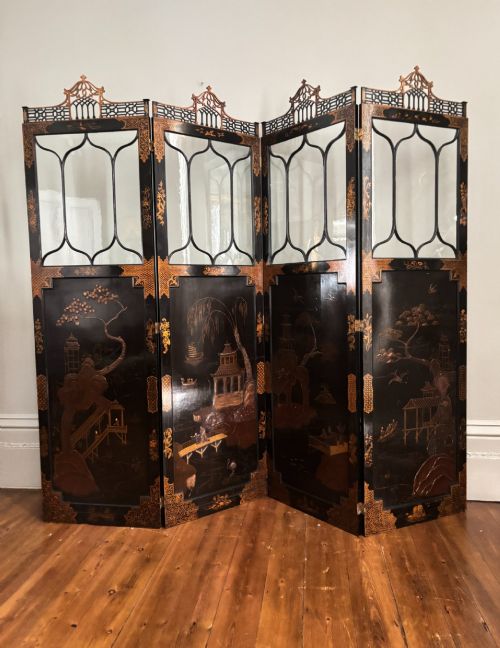
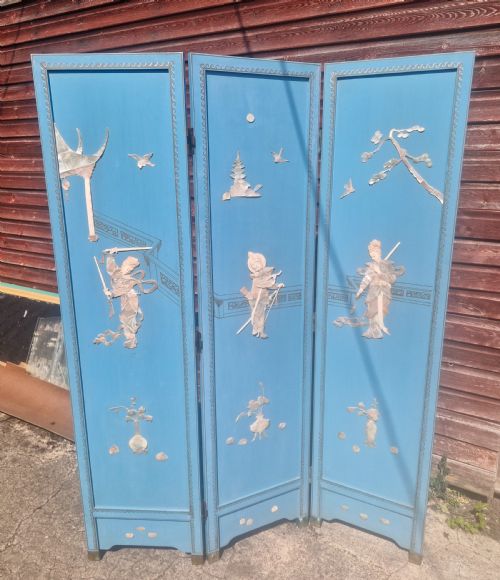
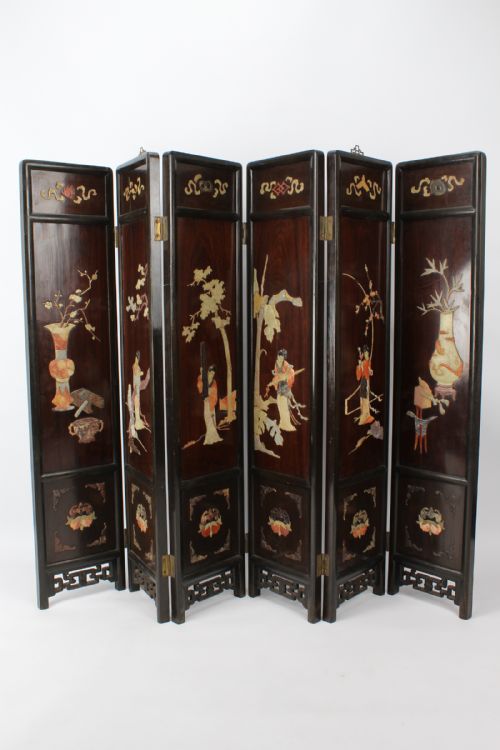
A chinese carved screen encompasses large multi-fold room dividers, intimate table screens on stands, and mounted wall panels. The examples encountered on this page stretch from the eighteenth century through the nineteenth and twentieth centuries, showing traditional craftsmanship alongside later revival styles.
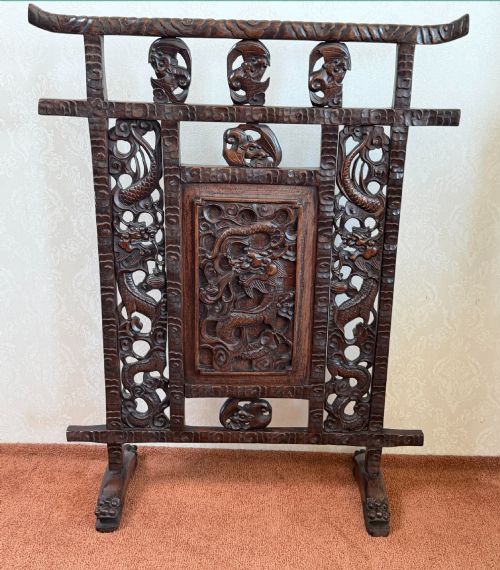
Folding versions serve as substantial room dividers and decorative dressing screens, whilst smaller variations utilise hardwood frames and rotating displays for tabletops and fire screens. Materials range from solid hardwood to deep lacquer, silk embroidery, and inlaid mother-of-pearl.
Stylistic influences span the Qing Dynasty and Republic periods, alongside British interpretations like Chinese Chippendale and Chinoiserie. Buyers find both monumental eight-fold coromandel works and compact framed panels depicting traditional motifs.
Materials and construction
Makers built these pieces primarily from dense hardwoods and applied layered lacquer finishes for depth and durability. Coromandel work involved incising designs into dark lacquer before adding polychrome pigments or gold leaf.
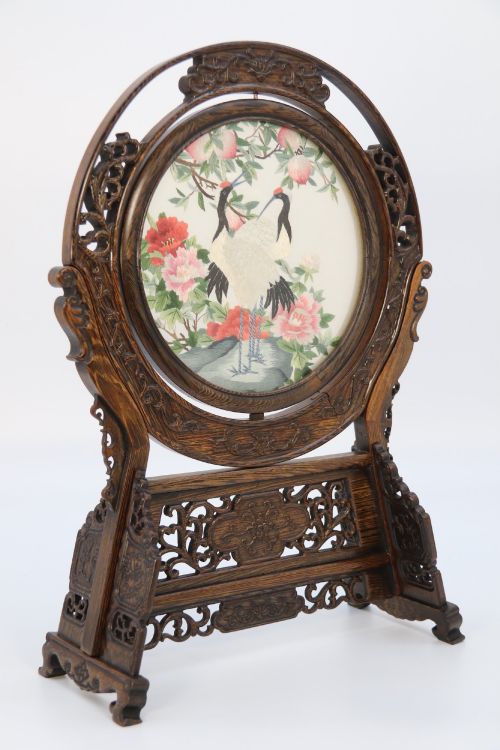
Intricate detailing often incorporated mother-of-pearl, abalone, and hardstone inlays to depict birds, foliage, and figurative scenes. Silk elements frequently featured double-sided embroidery or woven textiles held within carved wooden stands.
Chinese Carved Screen Retail Price Guide 2026
Typical asking prices for chinese carved screen among the pieces listed under this phrase on Sellingantiques today, from the lower quarter to the upper quarter. They describe what is for sale here now, not the wider market.
Several panels specifically depict birds perched in delicate foliage, frozen mid-song across generations of lacquer and silk.
Evaluating craftsmanship and condition
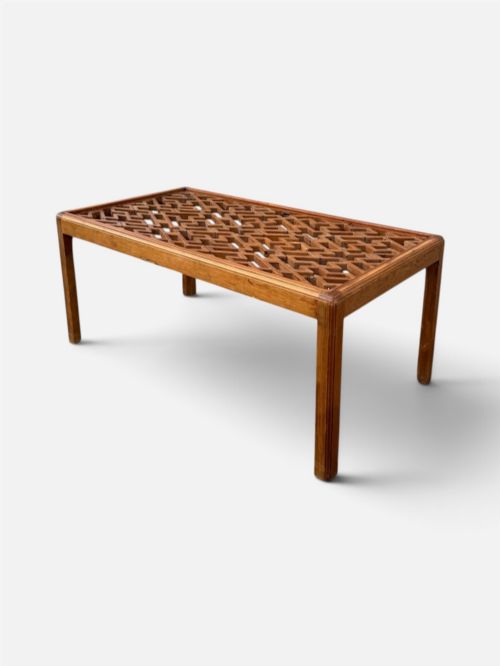
Quality reveals itself in the depth and precision of the wood carving and the crispness of the lacquer incision. Superior panels exhibit tightly joined hardwood frames and finely detailed inlay work without loss to the mother-of-pearl or hardstone elements.
The sophistication of the painted or embroidered pictorial scenes distinguishes finer examples, particularly where facial expressions and natural motifs are rendered with exceptional clarity and balance.
The Chinese Carved Screen Glossary
- Coromandel lacquer
- A technique where layers of dark lacquer are carved away to reveal a contrasting ground beneath, often filled with colour. This method creates a rich, textured surface across large folding screens.
- Hardwood
- Dense, durable timber utilised for structural frames and carved elements. These woods provide the necessary strength for heavy folding panels and intricate pierced fretwork.
- Table screen
- A smaller decorative panel mounted on a supportive wooden stand designed for placement on desks or tables. Many feature double-sided silk embroidery or detailed wooden carving.
- Chinoiserie
- European artistic interpretation of Chinese decorative styles, popular in furniture and screens during various revival periods. It combines traditional motifs with Western forms.
- Mother of pearl
- The iridescent inner layer of mollusc shells used for inlay work in lacquer panels. It catches the light to highlight birds, flowers, and figures.
Chinese Carved Screen: Frequently Asked Questions
What is the difference between a table screen and a room divider?
Table screens are compact, portable decorative objects mounted on small stands intended for display on surfaces rather than partitioning space.
Room dividers are tall, multi-panel folding structures designed to separate areas within a room or provide privacy.
How should I care for lacquer and wood?
Dust surfaces gently with a soft, dry cloth and avoid using harsh chemical cleaners or polishes that might damage the delicate lacquer or inlay.
Keep pieces away from direct sunlight and strong temperature fluctuations to prevent the wood from warping and the lacquer from cracking.
How do I identify the period of a screen?
Dating relies on examining the joinery, the style of carving, and the specific materials used in the construction and decoration.
Earlier examples often display deeper hand-carved details and traditional motifs associated with the Qing Dynasty, whilst twentieth-century pieces may incorporate glass tops or lighter framing.