

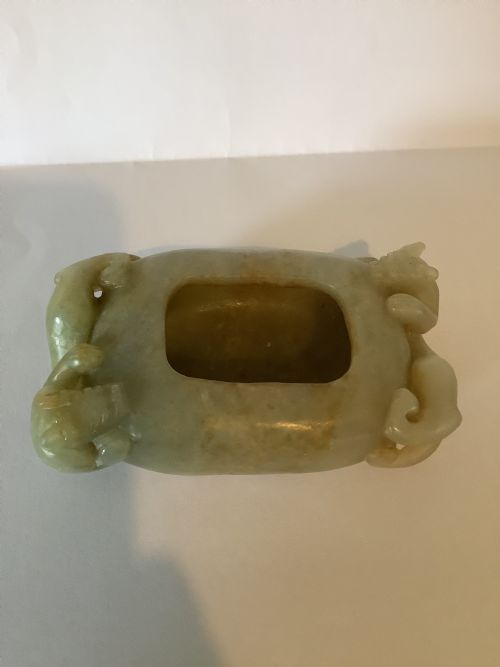


Chinese Carved Jade Object
A chinese carved jade object brings the quiet discipline of imperial workshops and scholarly desks directly to your room.
Chinese Carved Jade Object
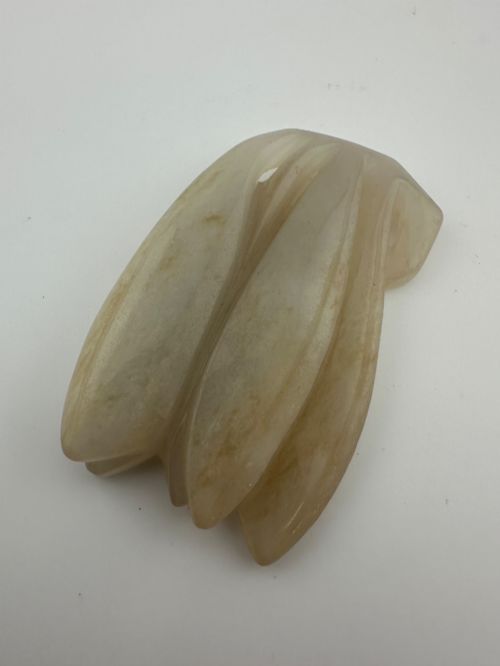
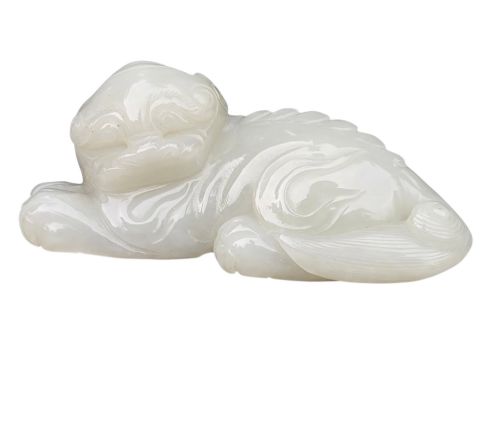
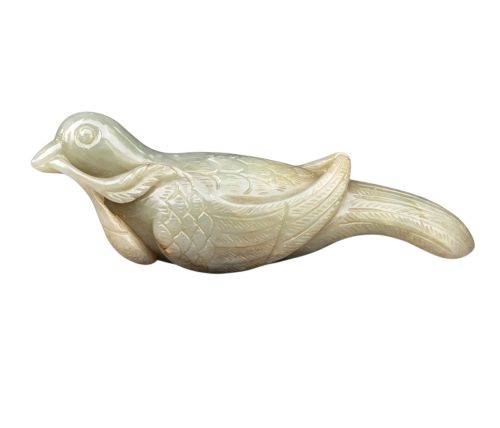
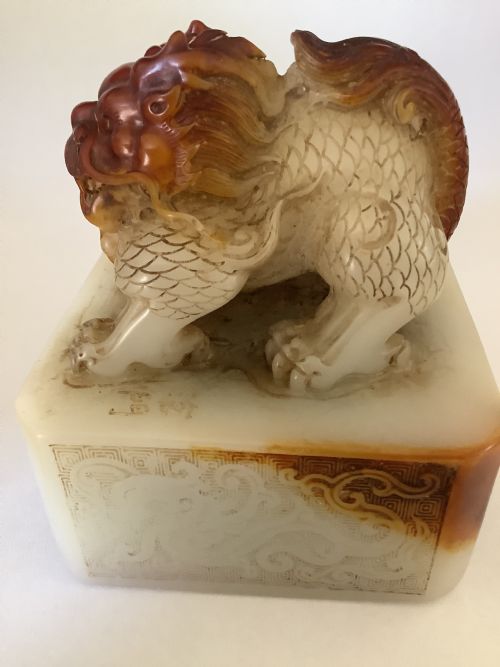
A chinese carved jade object encompasses small desk seals, snuff bottles, brush washers, lotus-form cups, and animal sculptures shaped during the Qing dynasty and the early twentieth century. Buyers seeking this phrase encounter pale celadon, white, spinach-green, and russet jade alongside related hardstones fashioned into scholarly vessels and mythical beasts.
The physical forms on this page range from utilitarian scholar's studio items like brush washers and water birds to playful miniature sculptures of fish, horses, and dogs of fo. These pieces demonstrate traditional Chinese subjects linked to scholarly pursuits, longevity, and mythological symbolism.
Most examples originate from the nineteenth and eighteenth centuries, reflecting the enduring aesthetic of the Qing dynasty and imperial-style carving traditions. Each chinese carved jade object carries the distinct texture and mineral variation characteristic of nephrite and hetian jade worked across generations.
Materials and methods
Carving involves working hard mineral substances such as nephrite jade, celadon jade, white jade, and spinach jade using abrasive sands and rotational tools rather than simple metal blades. Artisans exploited the natural colour variations within the stone, often incorporating russet skin or contrasting tones into the final design of dragons, lotus cups, and cicadas.
The finishing process relies on meticulous hand-smoothing and polishing to reveal the greasy lustre inherent in genuine nephrite and hetian jade. Complex compositions, such as double-sided dragon plaques and double snuff bottles, demand immense patience to undercut the stone without fracturing the material.
Listings feature nephrite, celadon, white, and spinach jade spanning the eighteenth and nineteenth centuries.
Degrees of execution
Quality rests upon the sensitivity with which the carver responds to the natural inclusions and colour gradients of the stone. Superior pieces integrate russet skin or tone shifts purposefully into the subject, whereas lesser examples treat the material as a uniform medium.
The depth and crispness of the undercutting separate standard decorative items from superior scholarly carvings. Confident, fluid lines on animal sculptures and brush washers indicate an adept hand working within traditional Chinese artistic standards.
The Chinese Carved Jade Object Glossary
- Celadon jade
- A pale green to grey-green variety of nephrite prized for its subtle tone and translucency. It forms the basis of many scholar's objects from the Qing period.
- Nephrite
- One of the two distinct mineral species accepted as jade, noted for its dense interlocking fibrous crystal structure. This toughness allowed artisans to carve intricate details without breakage.
- Brush washer
- A small basin utilised in traditional Chinese calligraphy for rinsing ink brushes. These vessels frequently take organic forms such as lotus leaves or animal contours.
- Snuff bottle
- A small container designed for powdered tobacco introduced during the Qing dynasty. They often feature double or overlaid configurations carved from contrasting jade layers.
- Hetian jade
- Premium nephrite originating from the Hotan region of Xinjiang, historically associated with imperial workshops. It is valued for its specific oily lustre and tactile warmth.
Chinese Carved Jade Object: Frequently Asked Questions
How do I care for jade?
Clean jade surfaces using a soft, damp cloth without harsh chemical detergents or abrasive pads. Natural oils from handling actually improve the polish of genuine nephrite over time.
Store pieces away from direct sunlight and sudden temperature shifts to protect the integrity of the stone and any historical patination.
What is a brush washer used for?
A brush washer held water to clean scholar's brushes during ink painting and calligraphy sessions. In the scholar's studio, these functional vessels doubled as contemplative desk objects.
Carved in forms like lotus leaves, they brought natural motifs into indoor study spaces.
How do I identify Qing dynasty pieces?
Look for specific material characteristics, traditional iconography such as dragons or dogs of fo, and evidence of hand-carving techniques. Eighteenth and nineteenth-century examples display specific handling of celadon and spinach jade.
Stylistic markers align closely with imperial workshop traditions rather than modern mass production.
What distinguishes nephrite from hardstone?
Nephrite is a specific silicate mineral with a dense, fibrous structure that gives it legendary toughness. Other hardstones in the jade family share similar visual weights but possess different mineral compositions.
Handling helps reveal the distinct greasy lustre and thermal feel unique to true nephrite.