




Chinese Bronze Light
A chinese bronze light brings heavy metalwork and porcelain together to illuminate a room with rich texture and historical depth.
Chinese Bronze Light
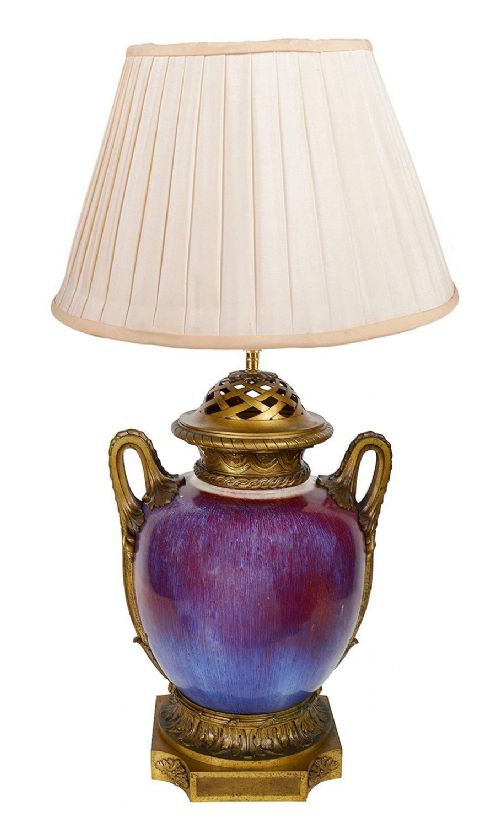
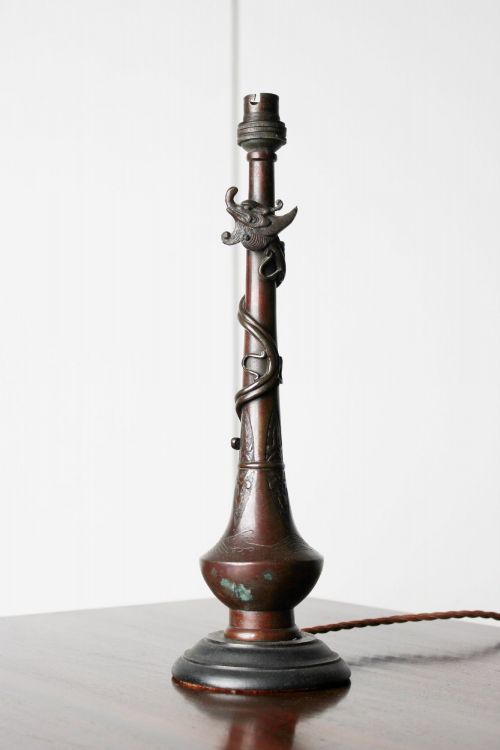
A chinese bronze light combines metal casting with traditional ceramic bodies, predominantly taking the form of table lamps, candelabras, candlesticks, and hanging lanterns. These pieces often pair bronze, brass, or ormolu mounts with porcelain vessels created centuries later or adapted from earlier dynasties.
The selection ranges from Victorian chinoiserie interpretations to Edwardian table lamps and pieces dated across the nineteenth century. Many items reflect European adaptation, converting vases and figures into functional illumination during later periods.
Vases such as Sang de Boeuf, Rose Medallion, and Celadon frequently form the central body of these objects. Metal mounts secure the porcelain while adding structural height and decorative presence to the finished light.
Materials and Construction
Makers utilised bronze, brass, and patinated white metal for the structural frames, figures, and bases. Ormolu mounts provided gilt highlights that contrasted against dark metal surfaces and colourful ceramics.
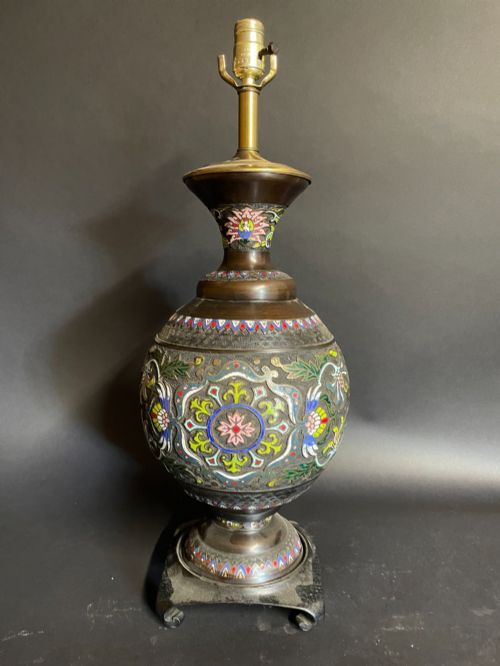
Porcelain elements including famille rose, blue and white, and cloisonne enamel were integrated using metal collars and drilled bases. Artisans applied champleve enamel and rich glazes to decorative surfaces before mounting them for electrical or candle use.
Chinese Bronze Light Retail Price Guide 2026
Typical asking prices for chinese bronze light among the pieces listed under this phrase on Sellingantiques today, from the lower quarter to the upper quarter. They describe what is for sale here now, not the wider market.
Listings feature 19th Century, Edwardian, and 1880 periods alongside materials like porcelain, bronze, ormolu, and cloisonne enamel.
Judging Quality
The precision of the metal casting and the crispness of the chasing on bronze and ormolu mounts dictate the upper tier of quality. Finer examples display cleanly fitted mounts that follow the contours of the porcelain without obscuring the glaze.
The integration of the ceramic body with the metalwork reveals the skill of the workshop. Superior pieces use heavy, stable bases and retain original gilding or patination rather than later surface treatments.
The Chinese Bronze Light Glossary
- Ormolu
- Gilded bronze used for decorative mounts and fittings. This technique involved applying a mercury and gold amalgam to bronze before heating.
- Cloisonne
- Enamelwork created by soldering wire partitions onto a metal base and filling the resulting cells with coloured paste. Firing vitrified the enamel into hard coloured fields.
- Sang de Boeuf
- A deep red copper-based porcelain glaze developed in China. The rich oxblood colour results from controlled kiln reduction atmospheres.
- Chinoiserie
- European artistic style reflecting Chinese motifs and techniques. Artisans applied these designs to furniture, ceramics, and metalwork during the eighteenth and nineteenth centuries.
- Celadon
- Pale green translucent glazed porcelain. The subtle jade-like tone emerges from iron oxide reacting in the kiln.
Chinese Bronze Light: Frequently Asked Questions
How do I date a chinese bronze light?
Dating relies upon examining the style of the metal mounts, the wiring methods, and the characteristics of the ceramic body. Nineteenth-century pieces frequently show French or English ormolu mounts fitted to earlier porcelain.
Changes in patina and the wear patterns on the bronze base offer further clues to the age of the construction. Examining the interior fittings often reveals whether the conversion to a lamp occurred during the Victorian period or later.
Were these originally made as lamps?
Many examples began life as vases, temple jars, or decorative figures before receiving metal mounts and conversion into lighting. European homes in the nineteenth century frequently repurposed fine porcelain.
Some objects were produced specifically as candelabras or candlesticks with integrated oriental figures. Later electrical conversions adapted these functional items for modern domestic use.
How should I clean bronze and ormolu?
Dusting with a soft, dry brush prevents the accumulation of dirt in the recesses of the cast metalwork. Avoid harsh commercial metal cleaners that strip away original patination and gilding.
Gentle wiping with a lint-free cloth preserves the surface finish. Professional conservation advice is recommended if deeper cleaning becomes necessary.
What is Rose Medallion porcelain?
Rose Medallion is a distinct Cantonese export porcelain decorated with panels of figures, birds, and flowers in pink and green enamel. The central medallion typically organises the complex floral layout.
These colourful porcelain sections frequently form the body of nineteenth-century table lights. The vibrant palette contrasts strongly with the dark bronze or gilt mounts.