



Chinese Blue Jar
When you search for a chinese blue jar, you encounter centuries of ceramic artistry designed for storage, display, and scholarly pursuits.
Chinese Blue Jar
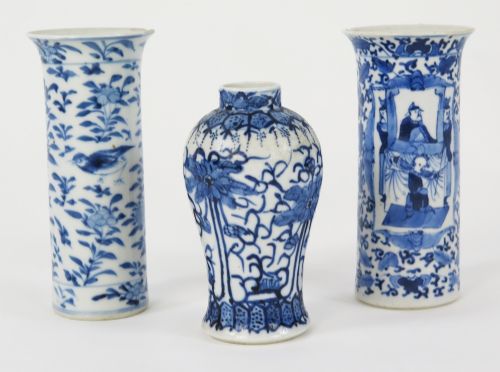
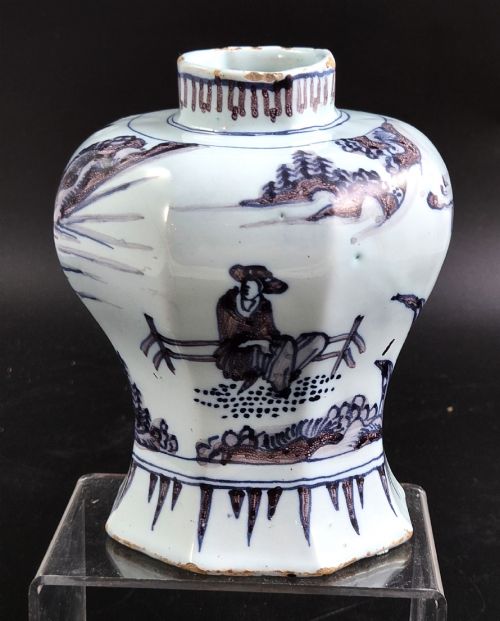
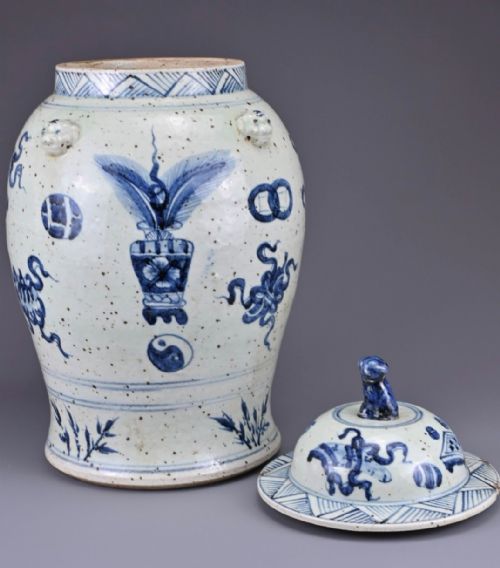
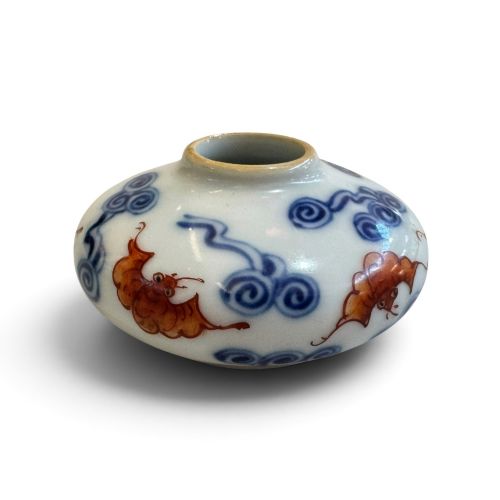
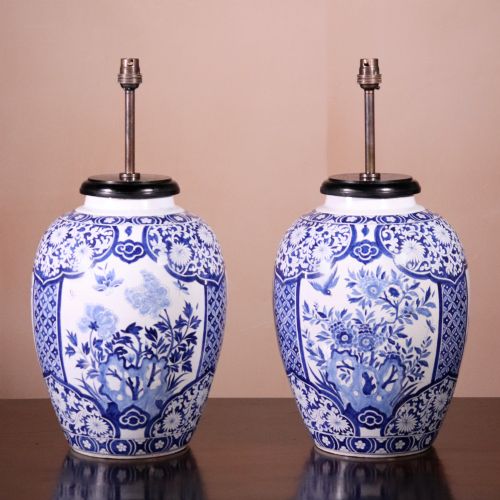
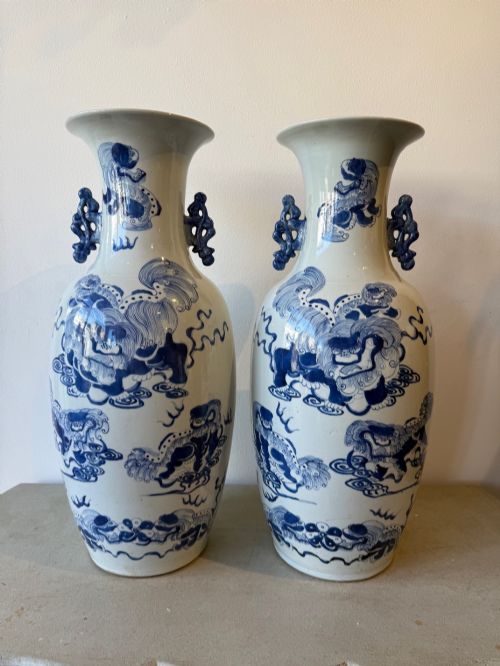
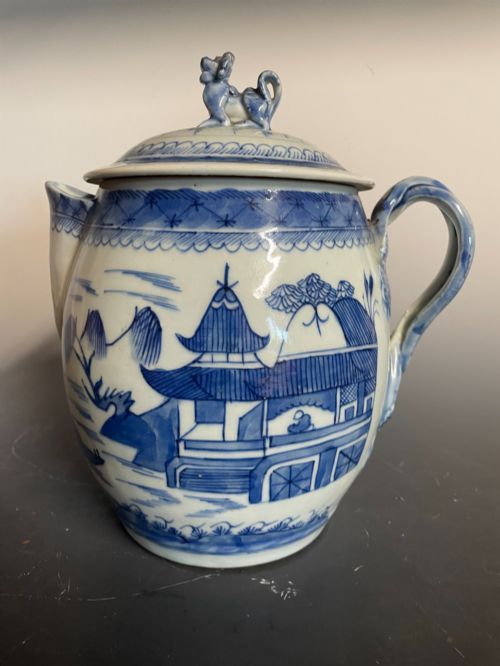
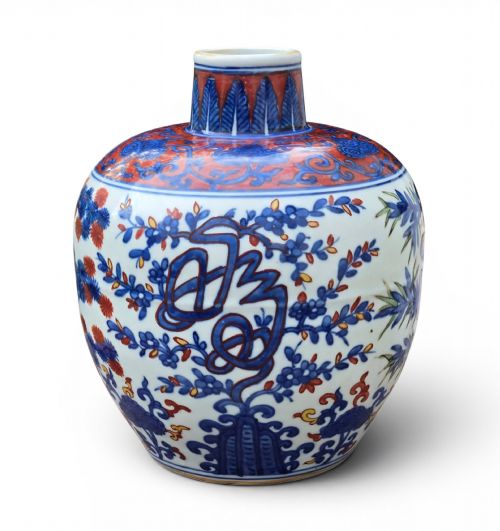
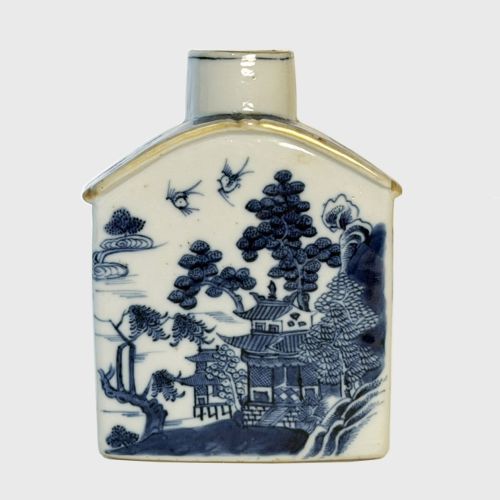
A chinese blue jar encompasses a broad range of vessels, from ginger jars and double-gourd vases to brush washers and tea caddies. The examples on this page span several centuries, with a strong representation of nineteenth-century production alongside pieces created in the seventeenth and eighteenth centuries.
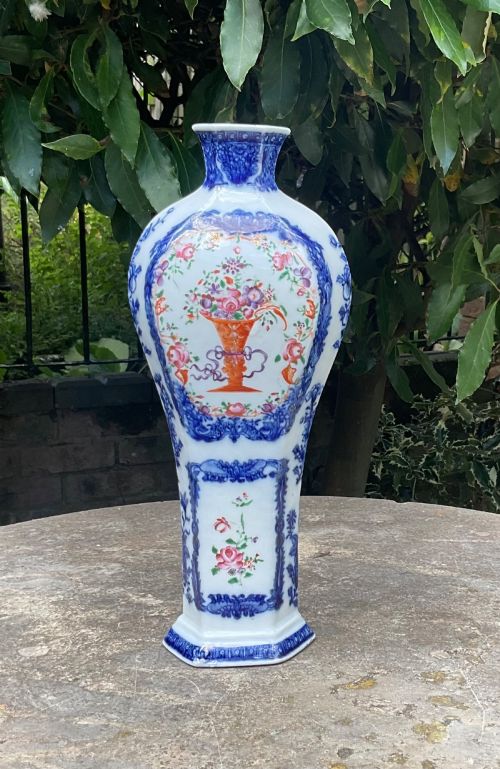
Makers utilised various styles, including Qing Dynasty designs, export porcelain, and Chinoiserie interpretations. Buyers frequently encounter vessels decorated in cobalt glaze, alongside related forms adapted into table lamps with brass or ormolu mounts.
Materials and technique
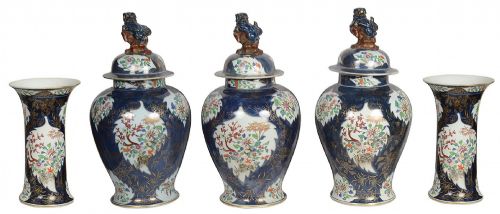
The primary material across these listings is porcelain, formed into body shapes that were painted with cobalt glaze before firing under high temperatures. Certain pieces incorporate underglaze red, iron-red enamel, and polychrome famille rose palettes.
Other items utilise cloisonné enamel on metal bases, while completed ceramic vessels are frequently paired with wooden lids, silk components, or brass fittings when converted into lamps.
Chinese Blue Jar Retail Price Guide 2026
Typical asking prices for chinese blue jar among the pieces listed under this phrase on Sellingantiques today, from the lower quarter to the upper quarter. They describe what is for sale here now, not the wider market.
Buddhistic lions occasionally glare in yellow enamel from the surface of a seventeenth-century jar.
Craftsmanship and execution
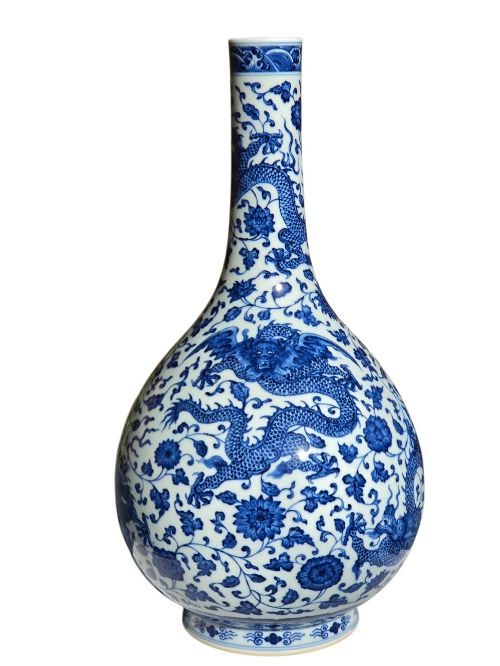
Quality in a chinese blue jar rests upon the precision of the underglaze painting, the depth of the cobalt hue, and the refinement of the porcelain body. Finer pieces demonstrate control in intricate brushwork, depicting motifs such as prunus blossom, dragons, and figures with notable clarity.
The sophistication of the glaze application and the integrity of the form separate standard production pieces from higher-tier imperial or export works. Alterations, such as subsequent metal mountings or lamp conversions, also influence the character of individual items.
The Chinese Blue Jar Glossary
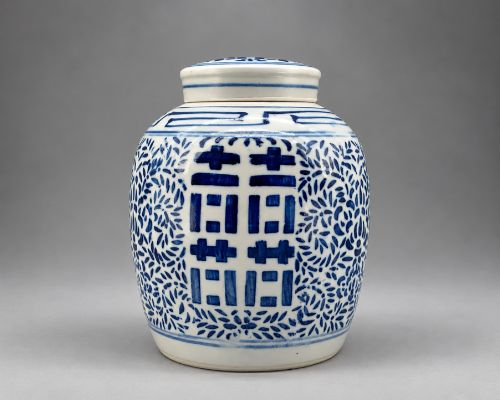
- Ginger jar
- A high-shouldered vessel with a domed lid, originally utilised for storing spices or preserved ginger.
- Cobalt glaze
- A metallic oxide pigment applied beneath or over the glaze to produce deep blue coloration during firing.
- Famille rose
- A palette of opaque enamel colours introduced in the eighteenth century, dominated by pink and rose hues.
- Double-gourd
- A curved vessel shape formed by two bulbous sections, symbolising auspicious fortune and prosperity.
Chinese Blue Jar: Frequently Asked Questions
What were ginger jars used for?
These lidded vessels served primarily to store and transport valuable commodities like salt, spices, and oil in historical households.
Over time, their pleasing proportions made them popular decorative objects in both Asian and European interiors.
How do I identify a Kangxi period piece?
Kangxi period vessels often display vivid cobalt blue painting on fine porcelain, frequently featuring flora such as prunus blossom.
Many later nineteenth-century items also bear Kangxi marks as a tribute to this seventeenth-century reign.
Why are some jars mounted as lamps?
During the nineteenth and twentieth centuries, European and American owners frequently converted oriental porcelain vases and jars for domestic lighting.
These conversions often added brass, bronze, or ormolu mounts to secure electrical fittings without destroying the ceramic body.
What is Chinese export porcelain?
This category includes ceramics manufactured specifically for trade and export to Western markets from the seventeenth century onward.
The decoration often blended traditional eastern motifs with shapes and styles requested by European buyers.