



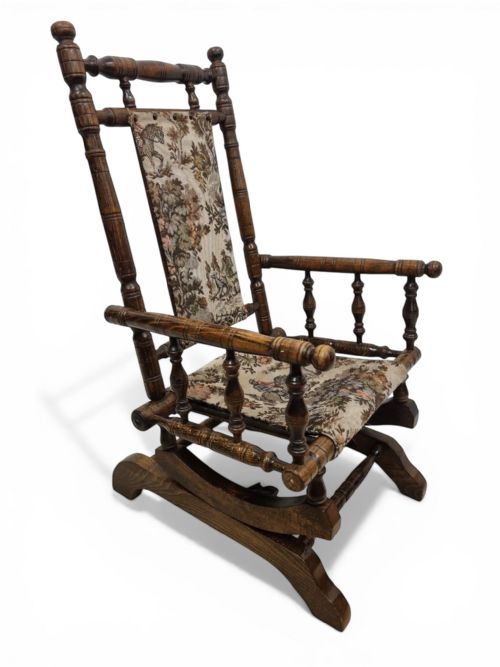

Childs Wooden Armchair
A childs wooden armchair is a scaled-down domestic seat crafted for the youngest family members, bringing centuries of regional craftsmanship into miniature focus.
Childs Wooden Armchair
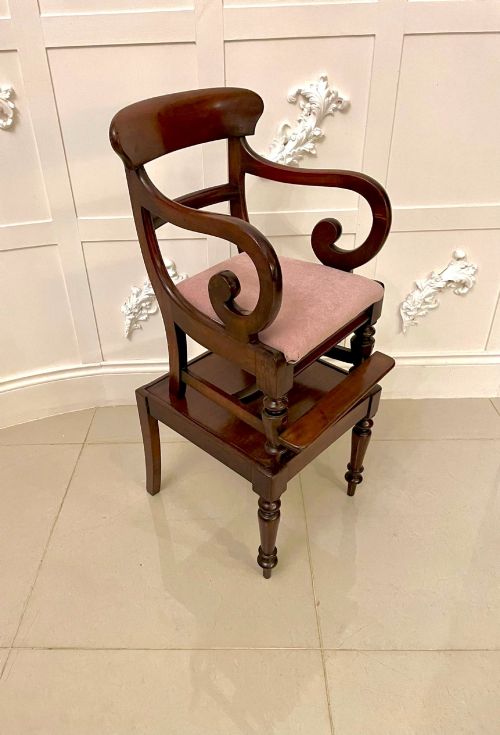
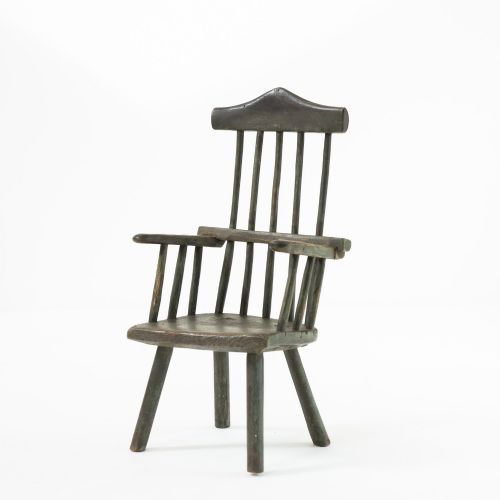
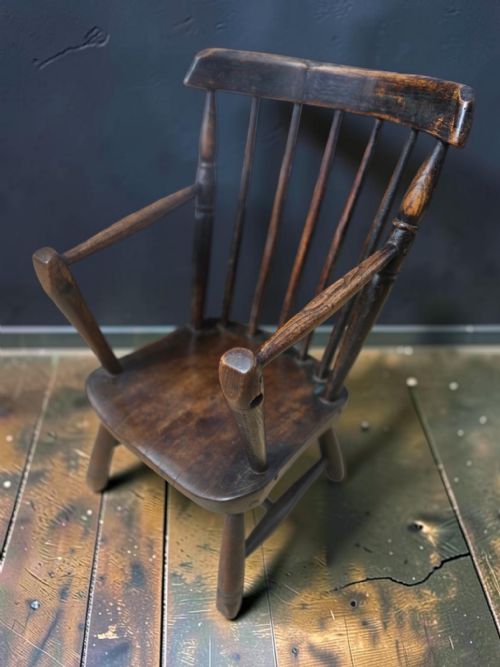
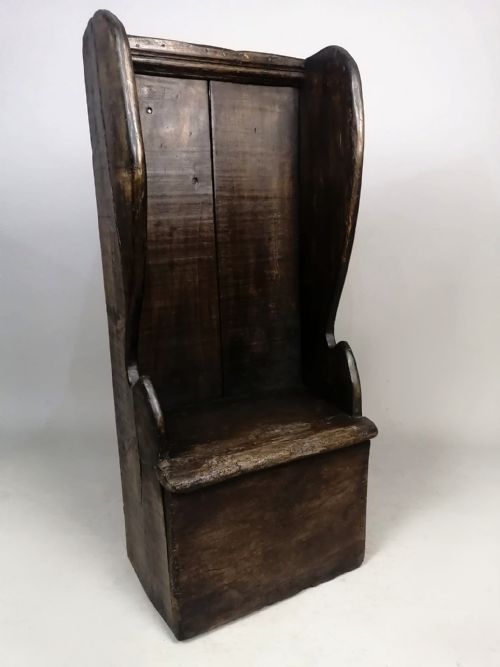
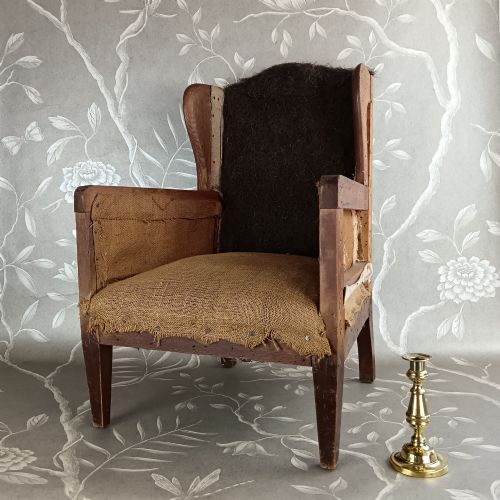
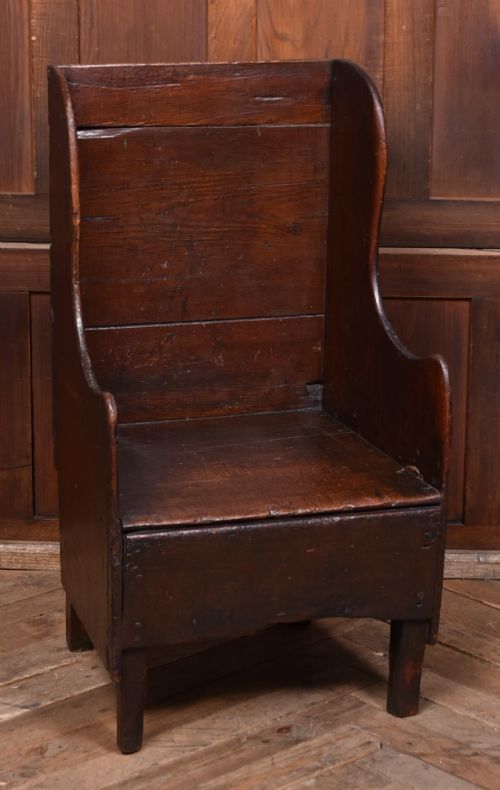
A childs wooden armchair spans several eras, appearing most frequently in nineteenth-century interpretations alongside Georgian and eighteenth-century examples. These miniature seats take various forms, from Windsor armchairs and rocking chairs to high chairs and lambing chairs.
Makers produced these pieces in domestic settings and local workshops, mirroring full-sized adult seating styles such as stick-back, ladderback, and wingback configurations. Regional variations emerge across English counties and continental workshops, including Swedish designs.
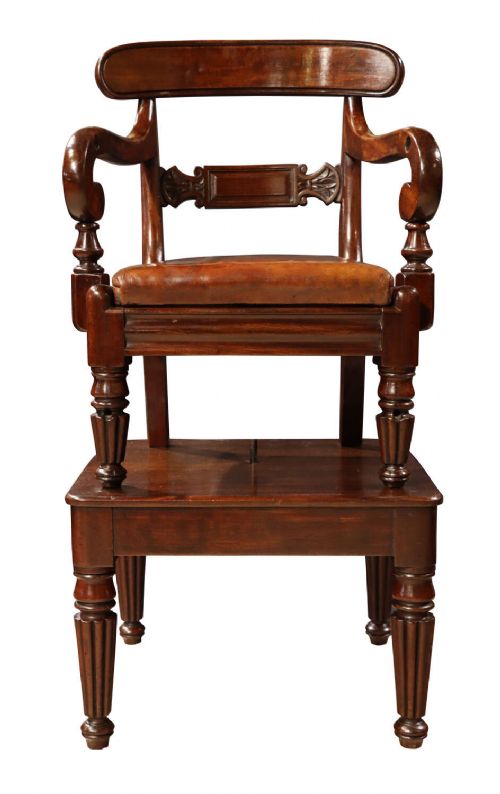
Functional adaptations appear among the seating arrangements, incorporating commode options, rocking bases, and detachable stands. These smaller chairs served practical household roles while adopting the prevailing aesthetic movements of their respective periods.
Distinctions in craftsmanship and materials
The selection of timber significantly alters the standing of a piece, separating utilitarian fruitwood and painted pine from finely figured yew wood, mahogany, or walnut. Grain alignment and the deliberate pairing of contrasting woods for seats and spindles indicate higher workshop standards.
Structural refinement separates standard vernacular production from exceptional cabinet work, seen in the slender taper of a Windsor hoopback or the precise turning of arm supports. Original surfaces, intact stretchers, and integrated stands preserve the historical integrity of the piece.
Childs Wooden Armchair Retail Price Guide 2026
Typical asking prices for childs wooden armchair among the pieces listed under this phrase on Sellingantiques today, from the lower quarter to the upper quarter. They describe what is for sale here now, not the wider market.
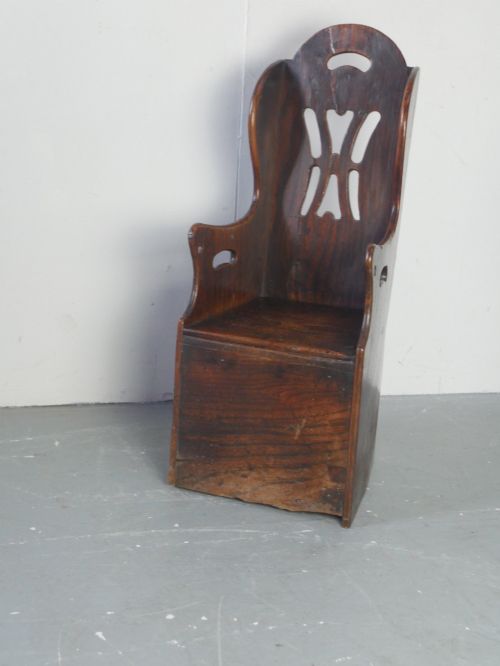
Makers occasionally scaled down adult winged lambing chairs to keep small children out of the household drafts.
The Childs Wooden Armchair Glossary
- Windsor
- A chair built with a solid wooden seat into which the legs and back spindles are directly fitted. This construction method provides notable rigidity for smaller seating forms.
- Lambing chair
- An enclosed seat featuring solid wooden wings designed to shield the occupant from drafts. Miniature versions adapt this vernacular form for domestic warmth.
- Metamorphic
- Describing furniture designed to transform between different functional states, such as a high chair converting into a low armchair and stand. These pieces demonstrate clever mechanical adaptation.
- Commode chair
- A seat fitted with an aperture beneath the cushion to house a chamber pot. Period examples integrate these concealed necessities within domestic furniture.
- Stick back
- A chair design where turned wooden rods form the backrest, inserted directly into the seat. This vernacular technique underpins many traditional regional armchairs.
Childs Wooden Armchair: Frequently Asked Questions
What periods do these chairs represent?
The selection spans from the late seventeenth century through the Georgian and Victorian eras into the early twentieth century. Most examples date from the nineteenth century.
Craftsmanship evolves from early fruitwood vernacular pieces to refined mahogany and yew wood creations of the Regency and William IV periods.
How were childs wooden armchairs used?
These seats provided practical domestic seating for children at table or fireside, matching adult furniture scales. Specialised forms included high chairs for feeding and rocking chairs for soothing.
Certain models incorporated commode pans for nursery use, whilst others featured stands to elevate the seat for adult convenience.
Are these chairs suitable for modern homes?
These pieces function well as decorative display items, collection centerpieces, or occasional display stands for dolls and teddy bears. Their robust timber construction usually remains stable for careful handling.
Placing them away from direct heat sources helps protect older elm, oak, and mahogany surfaces from splitting.