



Cherub Embossed Box
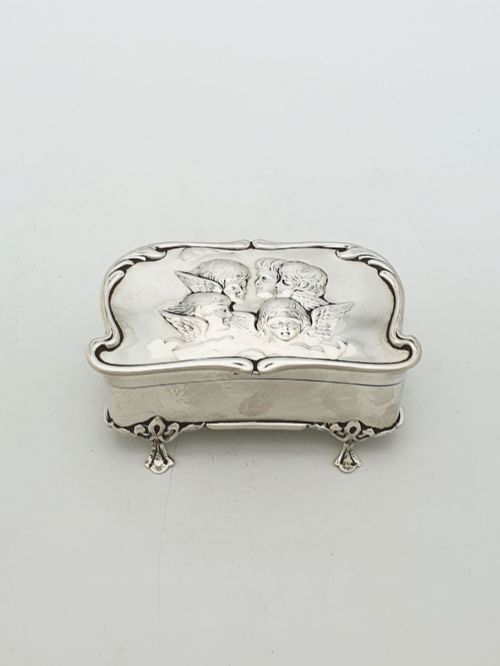
A cherub embossed box brings detailed sculptural work to a dressing table, offering a small, tactile vessel for keepsakes and trinkets.
Cherub Embossed Box
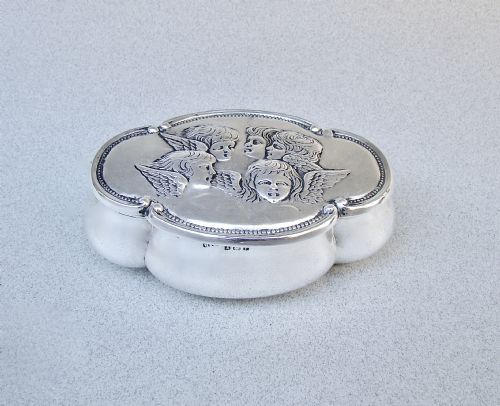
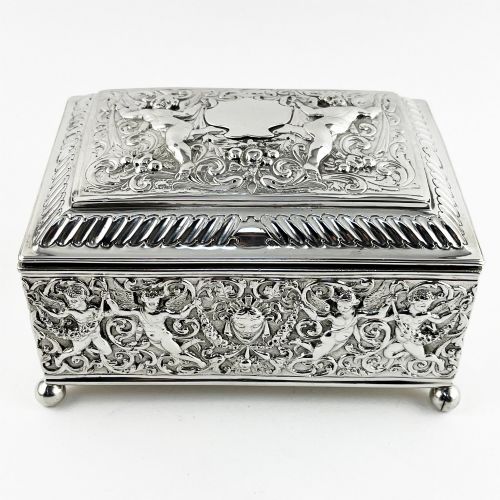
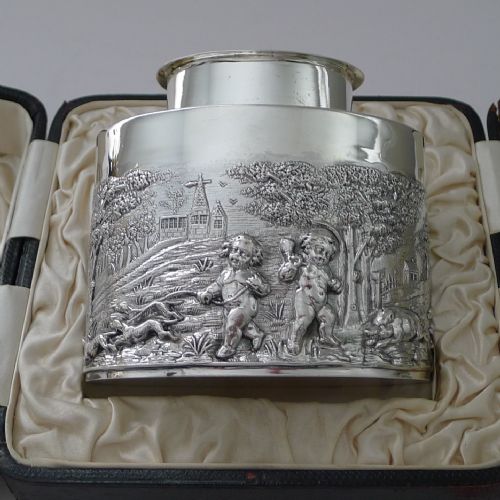
A cherub embossed box is a small storage vessel decorated with raised figural motifs of putti or cherubs, often found on dressing tables and desks. These pieces span the nineteenth century and the Edwardian period, appearing in forms such as trinket boxes, jewellery caskets, and tea caddies.
The most common versions on this page are Victorian and Edwardian sterling silver boxes, alongside occasional copper and brass examples. Makers worked in styles ranging from Rococo Revival curves to Dutch Traditional designs, creating containers meant to hold small valuables.
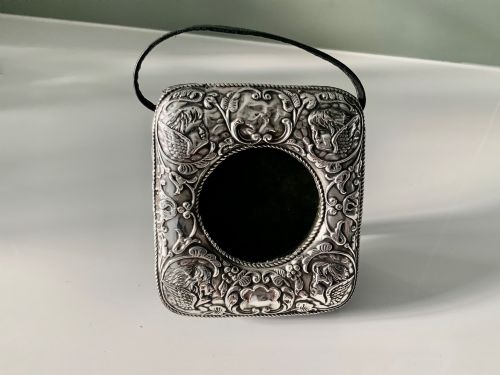
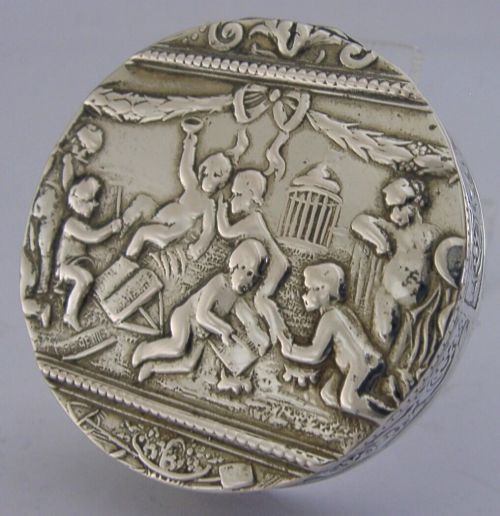
Buyers encounter objects designed for specific domestic uses, from ring boxes lined with velvet to larger caskets and tea caddies. Each item displays chased or embossed relief work depicting cherub scenes across the lid and sides.
Materials and construction
Silversmiths formed these vessels primarily from sterling silver and solid silver, occasionally applying silver gilt to interior surfaces for a contrasting finish. Copper and brass also appear, shaped into heavier domestic containers like slipper boxes and spill boxes.
Craftsmen utilised embossing and chasing techniques to push and carve the metal from both sides, creating high-relief cherub scenes. Interiors frequently feature velvet linings to protect stored items, fitted within hinged metal caskets and boxes.
Cherub Embossed Box Retail Price Guide 2026
Typical asking prices for cherub embossed box among the pieces listed under this phrase on Sellingantiques today, from the lower quarter to the upper quarter. They describe what is for sale here now, not the wider market.
Defining quality
Quality rests in the crispness and depth of the embossed metalwork, distinguishing sharply struck cherub faces and wings from worn or shallow designs. Pieces bearing clear maker marks and assay office hallmarks carry greater assurance of their origin and metal purity.
The structural integrity of the hinges and the retention of any original velvet lining influence the overall integrity of the box. Heavier gauges of silver provide a more substantial feel in the hand compared to thinner, lighter stampings.
William Hutton & Sons Ltd.·William Comyns & Sons·H. Matthews
The Cherub Embossed Box Glossary
- Embossing
- A technique where metal is raised from the reverse side using punches to create a three-dimensional design on the surface. This method gives the cherub figures their prominent relief.
- Silver Gilt
- Silver that has been coated with a thin layer of gold on the interior or exterior surfaces. This finish prevents tarnishing in areas that touch contents and adds visual warmth.
- Casket
- A larger, more decorative box, often hinged and footed, intended for holding jewellery or valuables. These pieces typically feature substantial metalwork and internal linings.
- Spill Box
- A container traditionally used to hold thin tapers or spills of paper for lighting candles and fires. These upright or wall-hanging boxes often display decorative metal fronts.
Cherub Embossed Box: Frequently Asked Questions
What were these boxes used for?
These small containers served various domestic purposes, primarily holding jewellery, trinkets, rings, and pins on dressing tables. Some variations functioned as tea caddies or snuff boxes.
Their decorative embossed exteriors meant they remained on display in parlours and bedrooms rather than being stored away.
How do I care for silver boxes?
Silver boxes require gentle cleaning with a soft cloth to avoid flattening the raised embossed details. Commercial dips should be avoided, as they can strip the dark patina from the recessed areas of the cherub scenes.
Velvet interiors need protection from moisture and damp environments to prevent fabric degradation and frame rust.
How do I date a silver box?
Dating relies heavily on hallmarks stamped into the metal, which indicate the assay office, standard, and year of production. Stylistic clues, such as Rococo Revival curves or Edwardian proportions, also point to specific decades between eighteen-eighty and nineteen-ten.
Makers' marks provide a direct link to the silversmith firm responsible for the piece.
Are all these boxes made of solid silver?
While sterling silver and solid silver form the majority of the pieces on this page, other materials do appear. Examples include copper and brass, particularly in utility items like slipper boxes and spill boxes.
Hallmarks help confirm the exact metal standard used by the maker.