




Cherub Bronze Ornament
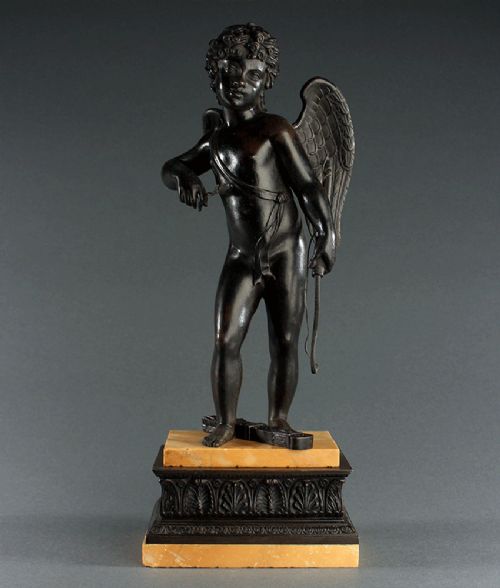
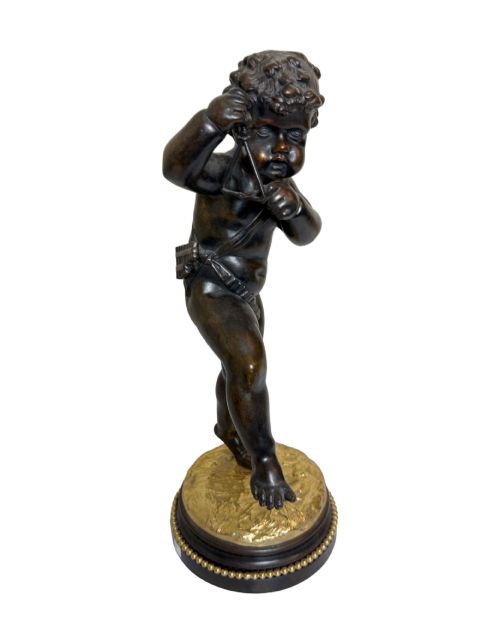
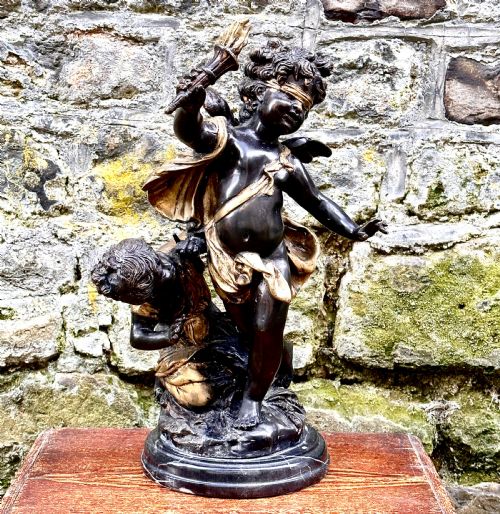
Cherub bronze ornament pieces bring neoclassical and rococo charm to interior spaces through finely cast figures of putti and children.
Cherub Bronze Ornament
A cherub bronze ornament represents putti, cherubs, or classical children rendered in cast metal, frequently appearing alongside marble bases or as functional mounts. These decorative works draw heavily on nineteenth-century French design traditions, including Louis XV revival and Grand Tour influences.
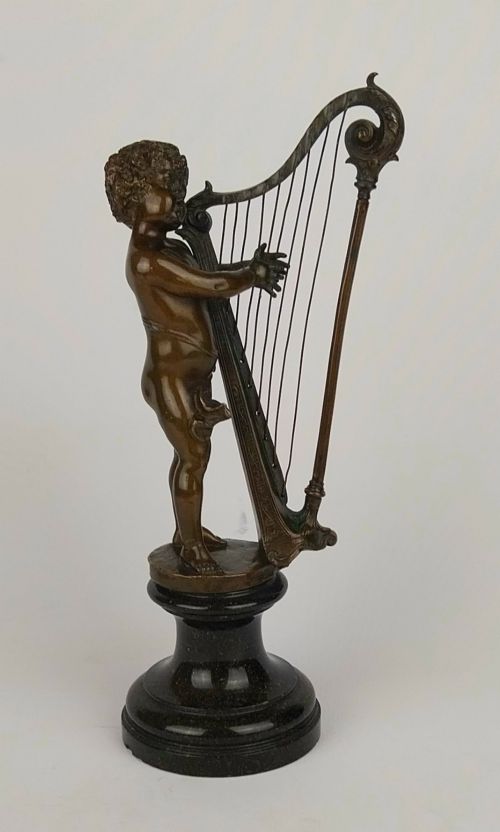
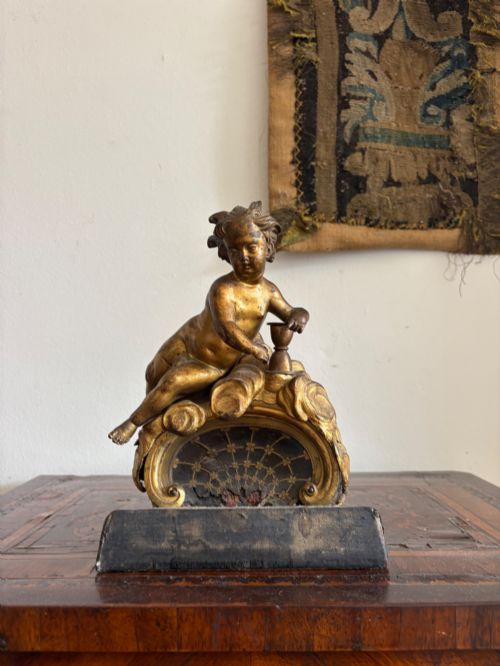
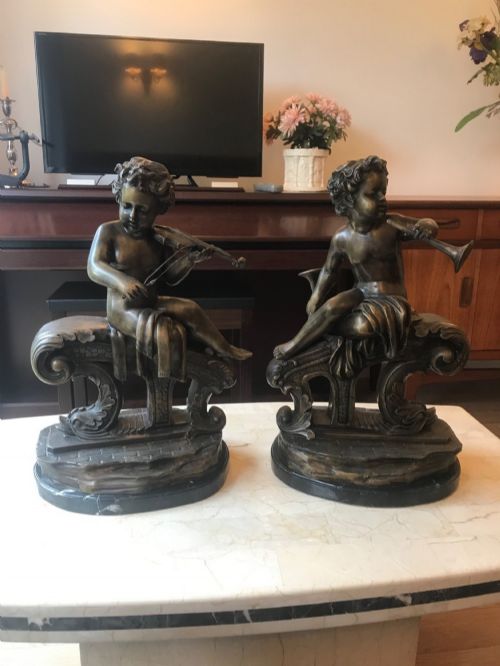
Buyers commonly encounter figures engaged in musical pursuits, gathering fruit, or resting upon naturalistic elements like rocks and shells. The selection ranges from tabletop sculptures and finials to pairs of fire dogs and decorative ewers.
Materials and casting methods
Foundries utilised bronze and ormolu, often applying gilt and patinated finishes to highlight anatomical details and drapery. Many nineteenth-century examples incorporate marble plinths or wood components to provide structural support and visual contrast.
Casting techniques allowed artisans to capture complex poses and subtle expressions, subsequently refining the metal surfaces through chasing and patination to achieve varied light reflection.
Cherub Bronze Ornament Retail Price Guide 2026
Typical asking prices for cherub bronze ornament among the pieces listed under this phrase on Sellingantiques today, from the lower quarter to the upper quarter. They describe what is for sale here now, not the wider market.
Several bronze children share their domestic space with cast cats, dogs, and musical instruments rather than classical lyres.
Assessing craftsmanship and finish
The integration of secondary materials, such as fitted marble bases or secure mount attachments, distinguishes finely assembled compositions from simpler productions. Artist signatures and foundry marks further anchor the provenance and execution standard.
Clodion·Dumond·Auguste Moreau·Pigale
The Cherub Bronze Ornament Glossary
- Putto
- A plump, winged male child figure commonly depicted in classical and Renaissance art. These figures form the primary subject matter across many nineteenth-century bronze sculptures.
- Ormolu
- Ground gold applied in a mercury amalgam to bronze objects, creating a bright golden finish. This technique appears frequently on French neoclassical mounts and chenets.
- Chenet
- An ornamental metal fire dog placed at the hearth to support logs. Pairs of these items often incorporate cast cherubs or mythological children.
- Patina
- The surface coloration and sheen developed naturally over time or applied chemically by the foundry. It enhances the depth and visual warmth of the bronze.
- Grand Tour
- The nineteenth-century practice of travelling through Europe to collect classical antiquities and souvenirs. Many bronze models of children and putti derive from this cultural tradition.
Cherub Bronze Ornament: Frequently Asked Questions
What is a cherub bronze ornament?
A cherub bronze ornament is a cast metal sculpture or mount depicting a putto, eros, or child, often associated with nineteenth-century French decorative arts.
These pieces function as tabletop art, architectural mounts, or fireplace accessories, reflecting classical revival aesthetics.
How were bronze cherub figures used?
Historically, these bronze figures served both decorative and functional roles in domestic interiors. They appeared as furniture finials, sculptural groups on marble bases, and ornamental fire dogs.
Owners placed them on mantelpieces, desks, and side tables to display refined taste and classical learning.
How do I care for bronze ornaments?
Maintaining bronze requires gentle dusting with a soft, dry cloth to prevent the accumulation of grime on the patina or gilding. Avoid using abrasive cleaners, polishes, or chemical solvents that can strip the historic surface finish.
Keeping the pieces in stable humidity environments protects any integrated marble or wooden elements from cracking.
How do I date a bronze cherub sculpture?
Dating involves examining the casting method, surface patination, and stylistic markers such as nineteenth-century French neoclassical or rococo revival traits. Inscribed signatures, foundry stamps, and the characteristics of associated marble bases also help establish the period of production.
Comparing the mounting hardware and construction seams provides additional clues regarding the age of the object.