








Chateau Architectural Salvage
Chateau architectural salvage brings heavy oak doors, carved pelmets and gilt gesso wall ornaments straight from French country houses into modern rooms.
Chateau Architectural Salvage
Chateau architectural salvage comprises structural and decorative fragments rescued from historic French buildings, spanning the seventeenth to the early twentieth century. These pieces carry the unmistakable weight of French provincial and chateau aesthetics, from heavy timber doors to delicate gilt wall ornaments.
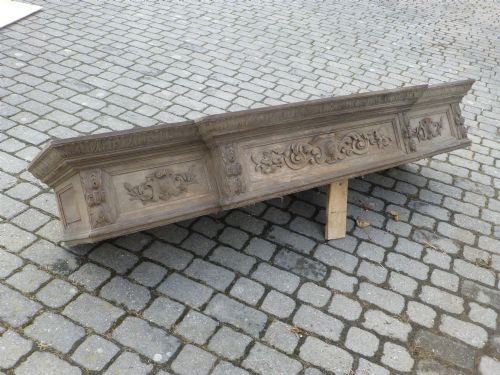
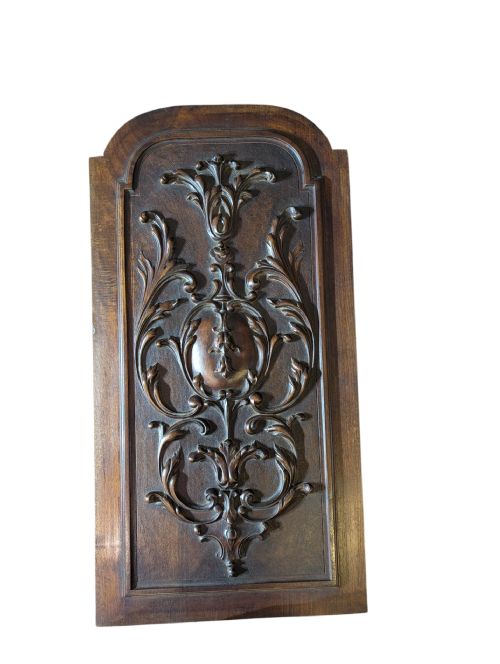
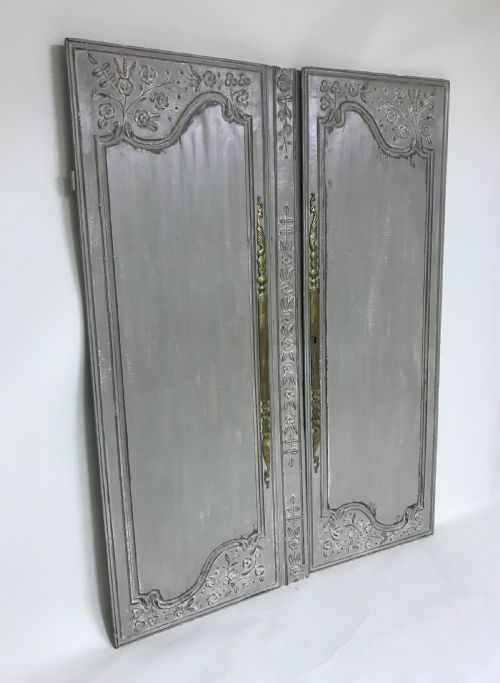
The selections available here lean heavily into carved woodwork, featuring oak panels, walnut cabinet doors, and hand-carved pelmets alongside plaster corbels and copper finials. Buyers frequently encounter nineteenth-century doors and decorative boiserie panels designed to transform the scale and character of contemporary interiors.
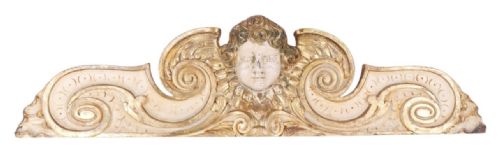
Smaller decorative elements also feature prominently, including wall brackets, putto corbels, and carved angel wings coated in gesso and gold leaf. Each fragment represents a distinct component of historic interior architecture, repurposed for modern display or architectural installation.
What varies in quality
The depth and crispness of the hand-carving separate standard joinery from truly exceptional architectural elements. Master carvers produced organic motifs, cherubs, and acanthus leaves with sharp undercut details that create dramatic shadow play across the wood.
The integrity of the original surface finish dictates the collector appeal of each fragment. Pieces retaining their early paint layers, genuine gold leaf, or undisturbed patina command higher appreciation than those stripped bare or heavily restored in later decades.
Chateau Architectural Salvage Retail Price Guide 2026
Typical asking prices for chateau architectural salvage among the pieces listed under this phrase on Sellingantiques today, from the lower quarter to the upper quarter. They describe what is for sale here now, not the wider market.
Object forms recorded here range from large structural pairs of chateau doors and bed canopies down to small copper finials and pelmets.
The Chateau Architectural Salvage Glossary
- Boiserie
- Carved wooden paneling applied to the interior walls of French rooms. It often incorporates decorative mouldings and painted finishes.
- Gesso
- A plaster-like mixture applied to wood as a base for gilding or paint. It allows for crisp moulded details beneath gold leaf.
- Corbel
- A structural bracket projecting from a wall to support a weight. In salvage pieces, these often take the form of plaster or wooden putti and scrolls.
- Finial
- A decorative ornament that terminates the peak of a spire, roof, or piece of furniture. Metal and stone examples punctuate historic French architecture.
- Pelmet
- A framework placed above a window or bed canopy to conceal curtain fixtures. Hand-carved wooden examples form ornate focal points in historic interiors.
Chateau Architectural Salvage: Frequently Asked Questions
Can antique doors be used as room dividers?
Large nineteenth-century French doors and walnut armoire pairs adapt exceptionally well to sliding tracks or traditional hinges as interior room dividers. Their substantial timber construction provides a solid physical barrier while adding historic character to an open-plan layout.
Ensure you measure the structural opening carefully, as antique salvage frequently deviates from modern standard dimensions. Custom framing may be required to accommodate the historic timber.
How should I clean antique carved wood?
Dust carved wooden panels gently with a soft, dry brush to remove particulate matter from deep recesses without disturbing the patina. Avoid using liquid polishes or modern chemical cleaners that can soften historic wax or strip original paint.
Wax finishes can be maintained occasionally with a high-quality beeswax applied sparingly and buffed softly. Preserving the dry, aged surface is essential for maintaining the integrity of the piece.
How do I date French architectural salvage?
Dating relies heavily on identifying the predominant carving style, such as the exuberant curves of Rococo or the restrained symmetry of neoclassical design. Tool marks left by hand saws and adzes also provide vital clues regarding the manufacturing era.
Timber species and construction methods further help narrow the period, as seventeenth and eighteenth-century pieces often display distinct joinery traits compared to nineteenth-century revival work.