

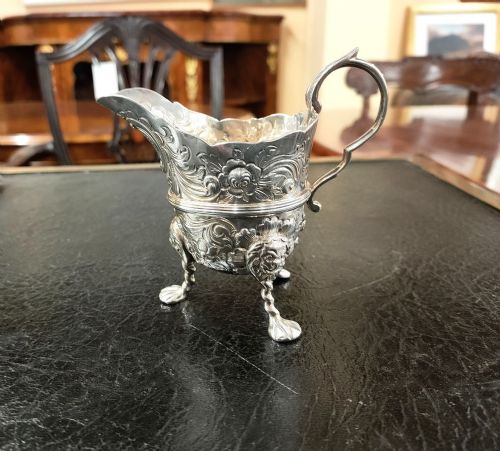
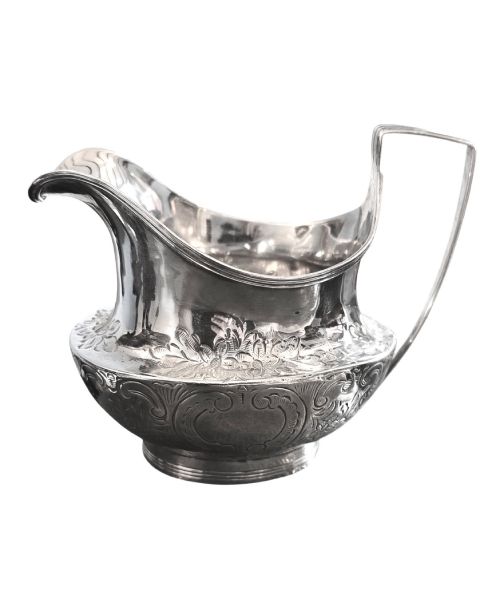


Chased Sterling Silver Creamer
A chased sterling silver creamer brings Georgian elegance or Victorian detail to the table, offering substance and bright reflection.
Chased Sterling Silver Creamer
A chased sterling silver creamer is a small vessel designed for serving milk or cream at the table, taking forms such as cream jugs and pitchers. Buyers searching this phrase encounter examples spanning the Georgian, Victorian, and Edwardian eras, alongside pieces dating later than nineteen sixty.
The assortment on this page includes items identified by periods like the eighteenth century and specific years such as seventeen fifty-nine, seventeen seventy-two, and eighteen hundred. Regional origins also appear, including London and Ireland, alongside broader classifications.
Forms range from simple domestic cream jugs to elaborate naturalist and rococo designs. Most items adhere to traditional British silver standards, reflecting the domestic habits of their respective periods.
How they were made
These items are constructed from sterling silver and silver, with select examples featuring silver gilt or gilt surfaces. The metal is formed into jugs and pitchers through traditional silversmithing techniques.
Decoration is applied through chasing, a method of indenting the metal from the front to create raised ornamental surface patterns. Styles span plain surfaces to intricate Victorian naturalist and rococo revival motifs.
Chased Sterling Silver Creamer Retail Price Guide 2026
Typical asking prices for chased sterling silver creamer among the pieces listed under this phrase on Sellingantiques today, from the lower quarter to the upper quarter. They describe what is for sale here now, not the wider market.
A fabulous naturalist silver jug waits here to make your tea table look delightfully overgrown.
What varies in quality
Quality rests in the crispness of the chased decoration and the balance of the form. Pieces executed in rococo or naturalist styles demand high precision from the silversmith to maintain definition across the surface.
The integration of the handle and spout with the body shows the maker's hand, distinguishing standard domestic ware from finer workshop production. Silver gilt interiors add an extra layer of finish that elevates the piece.
John Emes
The Chased Sterling Silver Creamer Glossary
- Sterling silver
- A standard of silver containing ninety-two point five percent pure silver by weight. This alloy provides the durability required for functional tableware.
- Chasing
- A metalworking technique where the artisan depresses the front of the metal with punches to create a raised design. It differs from repoussé, which works the metal from behind.
- Silver gilt
- Silver that has been coated with a thin layer of gold on the surface. This technique was often applied to the interior of cream jugs to prevent discoloration from dairy.
- Rococo
- An ornate decorative style characterised by asymmetrical scrollwork, C-scrolls, and natural floral motifs. It appears frequently in revival forms on nineteenth-century silver.
Chased Sterling Silver Creamer: Frequently Asked Questions
What is a chased sterling silver creamer used for?
These vessels were created to hold and pour cream or milk during tea and coffee service. They sit alongside sugar basins and teapots on the table.
Over time, many have transitioned from daily dining accessories to decorative display items or collections of antique silver.
How do I identify a Georgian creamer?
Georgian pieces typically date from the eighteenth or early nineteenth century, aligning with the reigns of the Georges. Look for hallmarks indicating London mints and specific years such as seventeen fifty-nine.
Form and decoration during this period often follow neoclassical or early rococo lines, distinct from later Victorian interpretations.
What does silver gilt mean on a cream jug?
Silver gilt refers to a solid silver piece that has received a thin gold wash over its surface. In cream jugs, this was frequently applied inside the bowl.
The gold layer protected the silver from tarnishing or reacting chemically with the acids present in milk or cream.
How do Victorian creamers differ from earlier ones?
Victorian examples often embrace heavy revival styles, including Victorian naturalism and elaborate rococo revival motifs. They draw upon nineteenth-century manufacturing methods while retaining traditional hand-chasing.
Dates stamped in hallmarks, such as eighteen forty-nine or eighteen ninety-four, help place them securely within the Victorian era.