



Charcoal Art Sketch
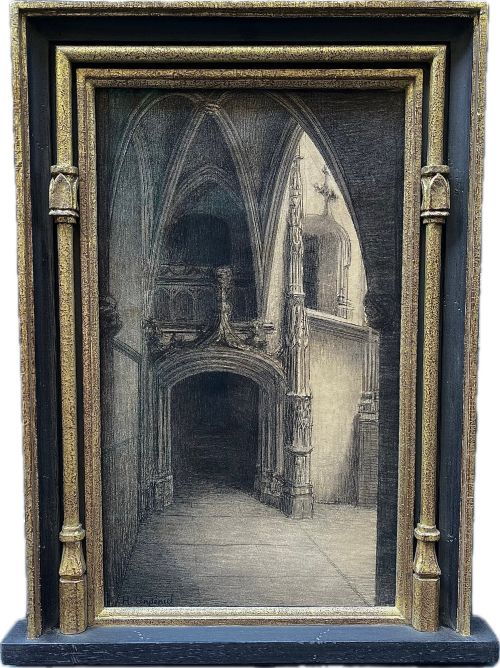
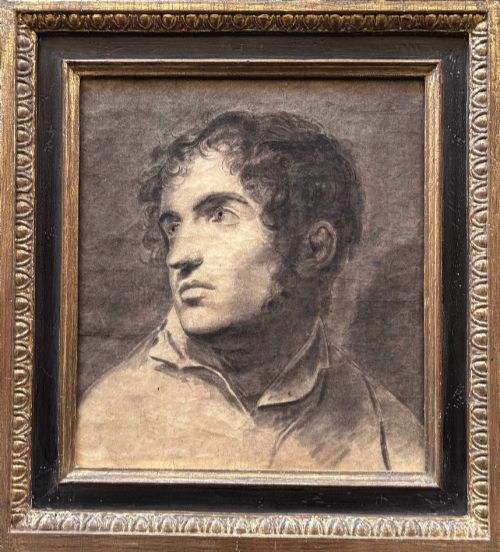
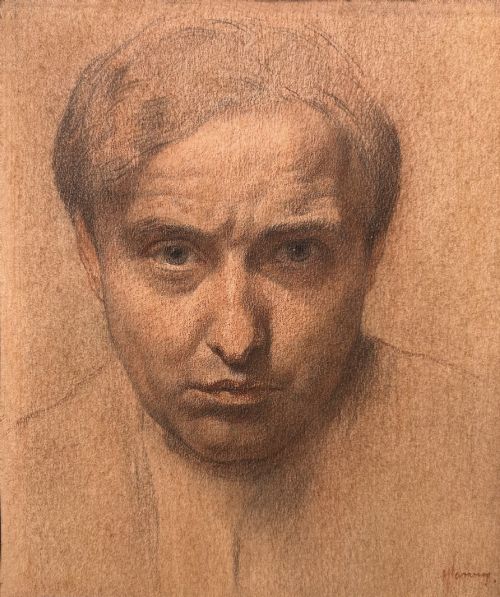
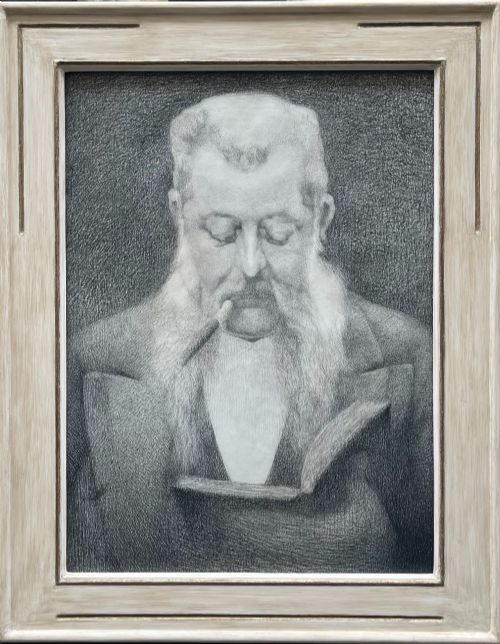
When you search for charcoal art sketch, you enter a monochrome world of academic life studies, atmospheric landscapes, and direct portraiture.
Charcoal Art Sketch
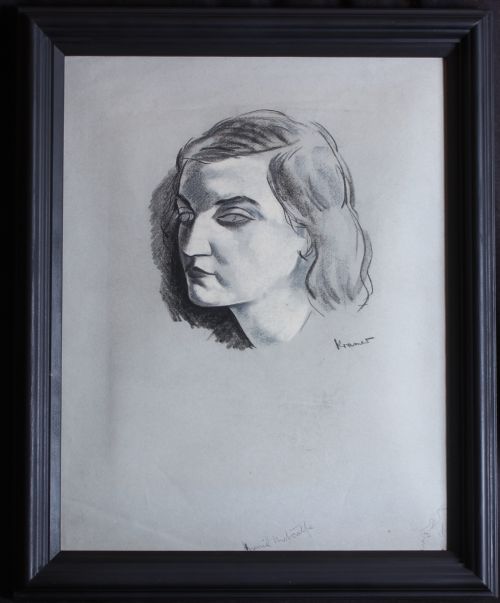
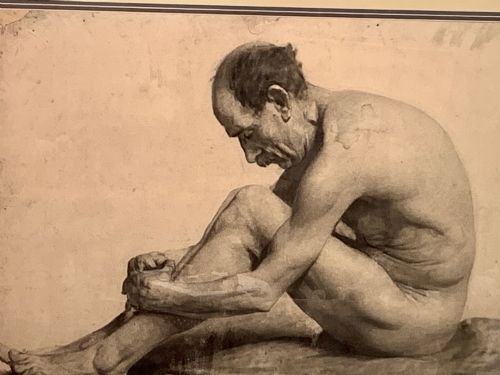
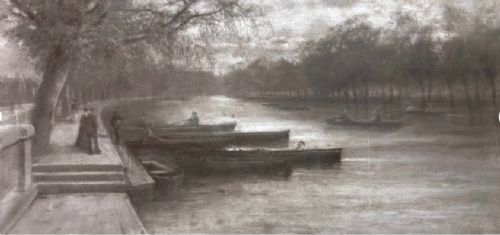
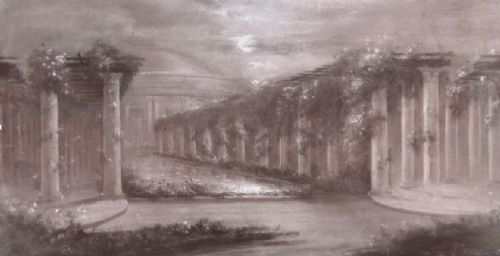
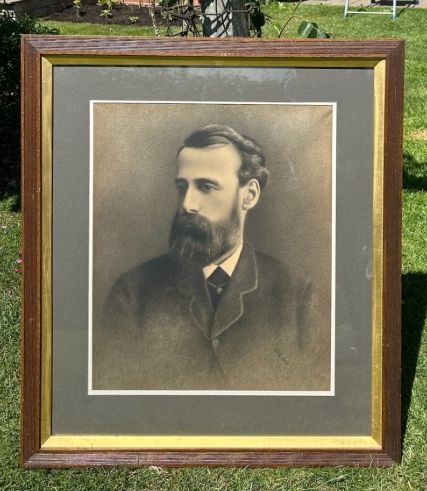
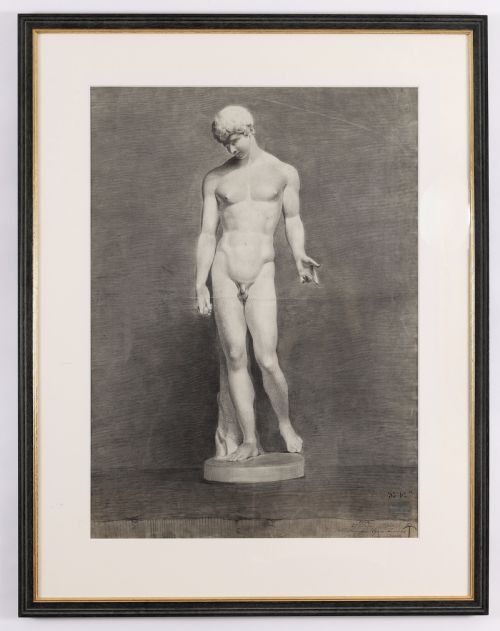
A charcoal art sketch represents an immediate act of observation, capturing form and shadow through direct application of carbon on paper. You will encounter nineteenth-century academic life studies, early twentieth-century landscapes, and portraiture spanning from the neoclassical period to mid-century modernist works.
The selections on this page showcase original drawings and framed works executed on various paper supports, often accompanied by chalk, graphite, or pastel highlights. These pieces range from rigorous studio studies of the human figure to moody nocturnal street scenes influenced by the Whistler tradition.
Materials and techniques
Artists utilise compressed or vine charcoal sticks applied to paper, toned paper, or canvas-backed supports to build deep shadows and subtle tonal gradations. Many works incorporate white chalk or graphite for heightened contrast, known as deux crayon technique in academic traditions.
The physical handling involves smudging, erasing, and layering carbon particles to achieve texture, while framing often utilises wood and glass to protect the fragile powdery surface of the medium from atmospheric disturbance.
Charcoal Art Sketch Retail Price Guide 2026
Typical asking prices for charcoal art sketch among the pieces listed under this phrase on Sellingantiques today, from the lower quarter to the upper quarter. They describe what is for sale here now, not the wider market.
Current listings span from the seventeenth century through the 1960s, utilising paper, wood, glass, chalk, graphite, pastel, and toned paper.
Determining quality in drawings
Quality rests upon the sureness of the hand and the structural integrity of the composition, distinguishing confident academic mastery from hesitant amateur attempts. A superior drawing displays dynamic control of tone and negative space, bringing a three-dimensional vitality to figures or landscapes.
The distinction also lies in the condition of the paper support and the preservation of the charcoal pigment without excessive flaking or unskilful fixing. Provenance, artist attribution, and period framing further elevate the standing of an individual piece within the field.
Jacob Kramer·Herbert Johnson Harvey·Samuel Rabin·Henri Charles Angéniol·Henry Arthur Roberts·Leopold Halvoet·Demetrios Galanis·J D Fergusson·Arthur Todd·Winifred Eugene Ballard·John Hoppner
The Charcoal Art Sketch Glossary
- Academic Realism
- A style of painting and drawing produced under the influence of European academies of art, emphasising precise anatomical accuracy and classical form.
- Deux crayon
- A drawing technique using two coloured chalks or pencils, typically black and white on toned paper, to create rapid tonal contrast.
- Toned paper
- Paper manufactured with a neutral tint or colour, allowing the artist to build up highlights and shadows from a mid-tone baseline.
- Life study
- An artwork created by observing a live nude or clothed model, forming the cornerstone of traditional art training.
Charcoal Art Sketch: Frequently Asked Questions
How should I frame a charcoal sketch?
Charcoal drawings require framing behind glass with a sufficient mat or spacer to prevent the delicate carbon surface from touching the glazing.
Sealing the back of the frame helps protect the paper from dust and humidity fluctuations over time.
How do I identify the period of a drawing?
Stylistic clues such as academic hatching techniques, subject matter like nineteenth-century life studies, and framing materials often point toward a specific era.
Watermarks on the paper or inscriptions on the reverse can provide additional chronological evidence.
Are these works original or reproductions?
The pieces featured are original hand-drawn artworks executed directly by the artist using charcoal and related dry mediums on paper.
You can examine the surface under magnification to observe the physical texture of carbon dust and paper fibres unique to manual creation.
How do I care for antique charcoal art?
Keep drawings away from direct sunlight and areas subject to high humidity to prevent paper degradation and fading.
Avoid shaking or tapping the framed piece, as loose charcoal particles can detach from the support if subjected to physical shock.