

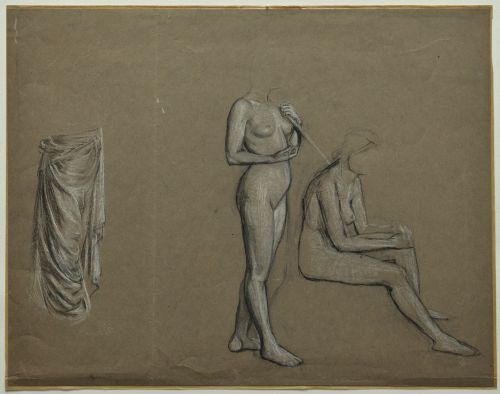
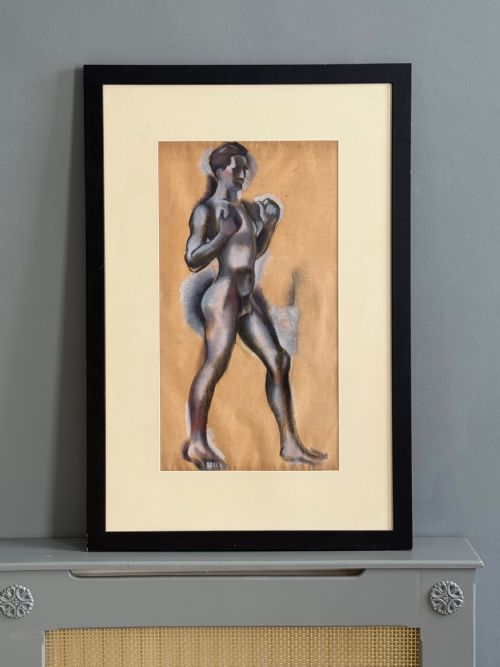
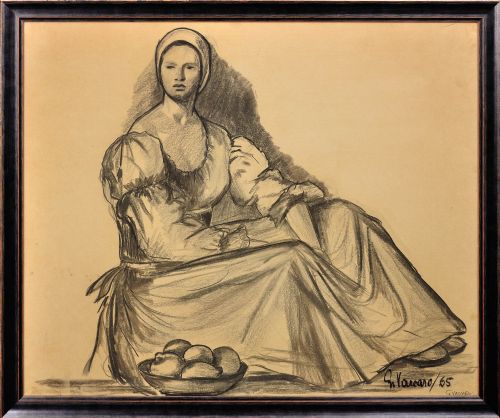
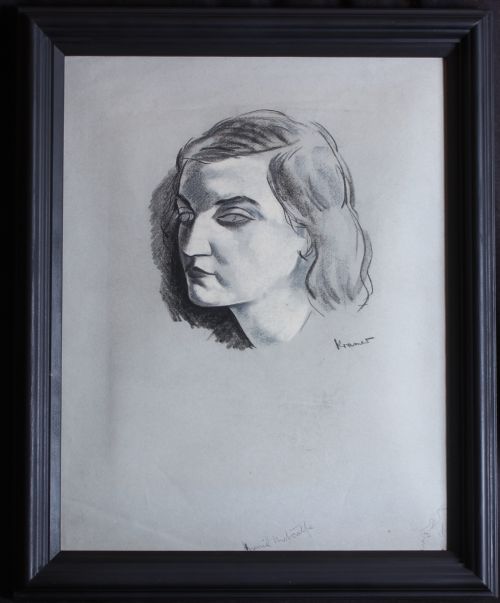

Charcoal Art Drawing
When you handle charcoal art drawing pieces, you notice the deep contrast of the carbon line against paper and canvas.
Charcoal Art Drawing
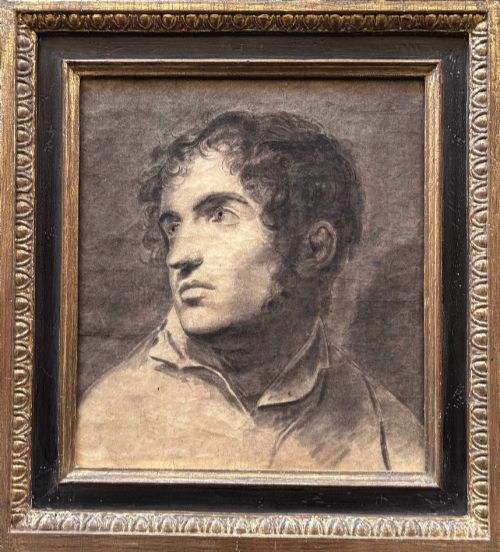
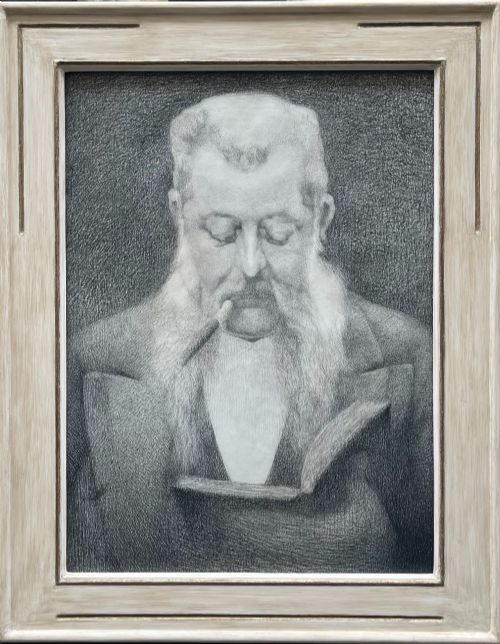
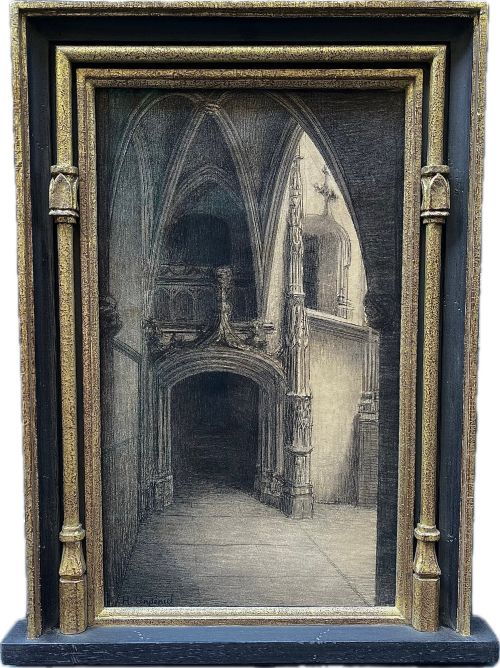
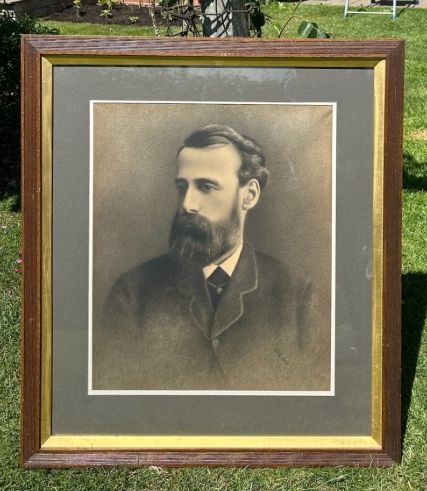
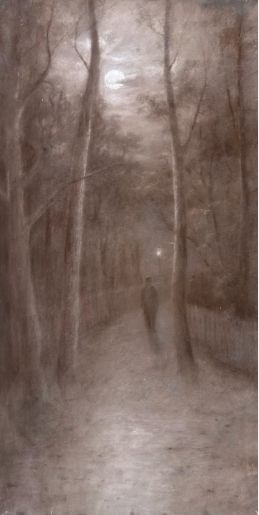
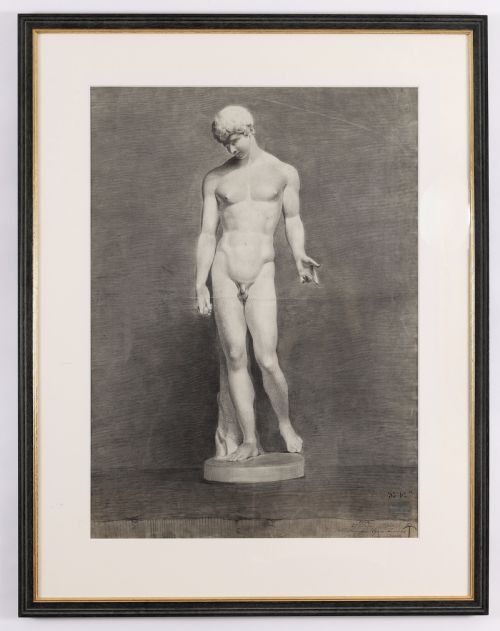
A charcoal art drawing captures tone, light, and shadow using carbon mediums on paper or canvas surfaces. Buyers searching this phrase encounter academic life studies, portraits, and atmospheric landscapes from the nineteenth and early twentieth centuries.
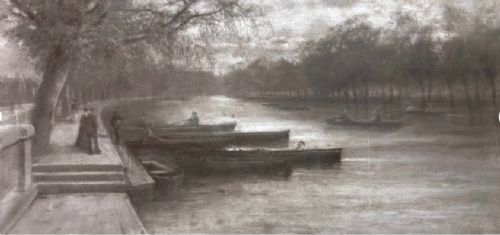
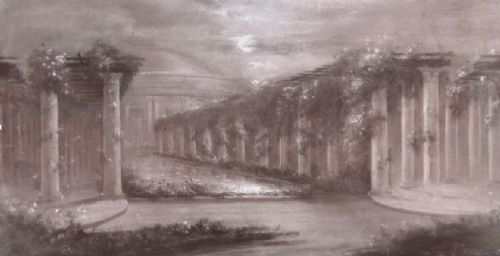
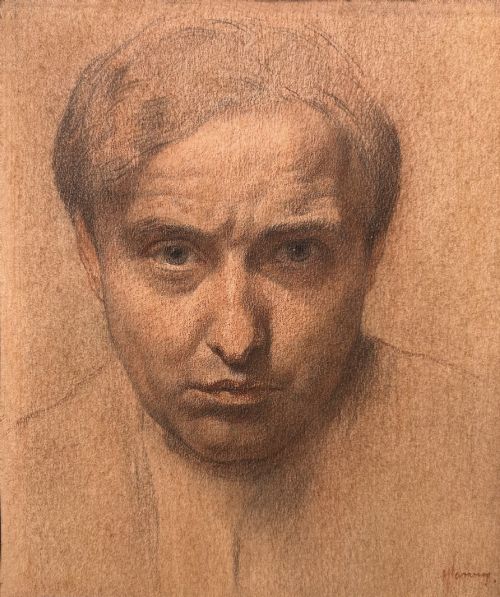
The selection ranges from Victorian and Edwardian British scenes to French school portraits and modernist works. Many pieces show the influence of Tonalism and academic realism, often framed in period wood or giltwood.
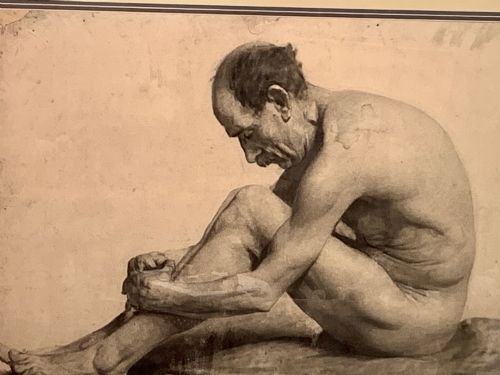
Figurative works and male nude studies dominate the earlier periods, while later decades introduce avant-garde movements and urban street scenes. These varied subjects record the changing priorities of art schools and independent studios over two centuries.
Materials and execution
Artists form a charcoal art drawing using compressed or vine charcoal combined frequently with chalk, graphite, or pastel on paper attached to canvas or stretched linen. These dry media allow for rapid gestural marks alongside deeply rubbed tonal passages.
Makers secure the delicate carbon powder using fixative layers before housing the work behind glass within wood or giltwood frames. The interaction between the matte black medium and the textured paper substrate creates the characteristic luminosity of these works.
Charcoal Art Drawing Retail Price Guide 2026
Typical asking prices for charcoal art drawing among the pieces listed under this phrase on Sellingantiques today, from the lower quarter to the upper quarter. They describe what is for sale here now, not the wider market.
Listings span periods from the eighteenth century through to the 1960s, incorporating paper, wood, glass, and giltwood materials.
Judging execution and preservation
Quality in a charcoal art drawing rests upon the sureness of the hand and the preservation of the delicate carbon surface. Strong academic proportions and confident line work separate master studies from routine student exercises.
Condition plays a central role, as unsealed charcoal smudges easily over time. Examples that retain their crisp tonal contrast without excessive foxing or paper degradation represent the pinnacle of the medium.
Jacob Kramer·Herbert Johnson Harvey·Samuel Rabin·Henri Charles Angéniol·Henry Arthur Roberts·Sir Edwin Landseer RA·Pierre-Paul Prud'hon·Demetrios Galanis·J D Fergusson·Arthur Todd·Winifred Eugene Ballard·John Hoppner RA
The Charcoal Art Drawing Glossary
- Academic Realism
- A style of painting and drawing produced under the influence of European academies of art. It emphasises precise anatomical accuracy and traditional subject matter.
- Tonalism
- An artistic style that emerged around the late nineteenth century where artists painted forms using shadow and atmospheric effects. It relies heavily on a dark, muted palette.
- Deux crayon
- A drawing technique utilising two coloured chalks or pencils, usually black and red, on tinted paper. This method creates realistic modelling and skin tones.
- Giltwood
- Wood that has been treated with gold leaf or a gold-coloured finish. It is commonly found on traditional frames enclosing nineteenth-century works.
Charcoal Art Drawing: Frequently Asked Questions
Are these drawings original works?
The pieces listed are original hand-drawn works rather than mass-produced prints or reproductions. Artists applied the charcoal and chalk directly to paper or canvas during the periods noted.
Signatures, studio stamps, and contemporary framing often accompany these unique historic compositions.
How do I frame a charcoal drawing?
Charcoal works require framing behind glass with a mat or spacer to prevent the paper from touching the glazing. This gap protects the delicate carbon medium from sticking to the glass over time.
Traditional wood or giltwood frames suit the nineteenth and early twentieth-century origins of these pieces.
Where were these drawings made?
These works originate from British, French, Belgian, and Italian studios, reflecting the travels and training grounds of academic and modernist artists. Many record specific locations, from Scottish landscapes to Parisian street scenes.
European art academies and informal plein-air settings produced the majority of these life studies and topographical views.