



Chamberlain Worcester China
Chamberlain Worcester china represents some of the finest Regency and Georgian porcelain produced in Britain, offering vibrant hand-painted patterns that collectors prize for their elegance.
Chamberlain Worcester China
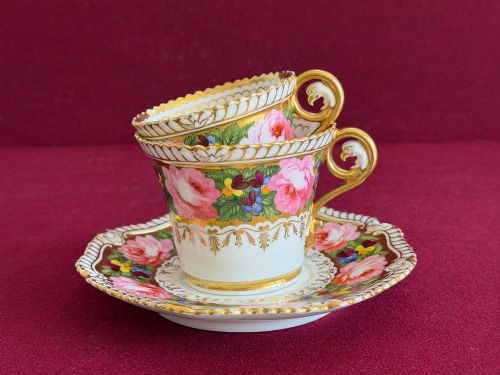
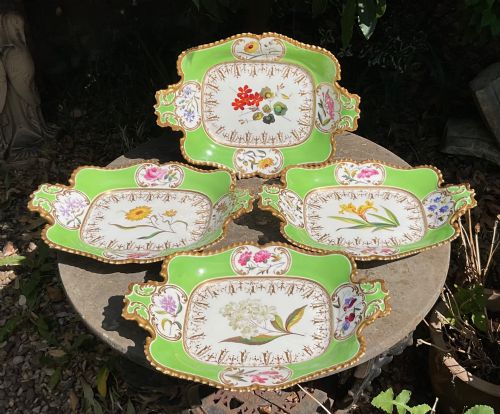
Chamberlain Worcester china spans decorative plates, teacups and saucers, bowls, and serving dishes created during the Georgian and Regency periods. These pieces demonstrate the distinctive porcelain forms and artistic output associated with the famous factory.
Buyers will encounter items ranging from the early nineteenth century down to the broader nineteenth century, capturing distinct stylistic shifts. Forms include twin-handled serving dishes and dessert plates bearing elaborate patterns.
The objects reflect the sophisticated taste of their era, often featuring complex pictorial schemes or armorial designs. They serve as tangible examples of early British ceramic manufacturing at its most ambitious.
Manufacturing and materials
Makers utilised fine porcelain as the primary body for these items, shaping them into plates, bowls, and tea wares. This ceramic base allowed for delicate forms such as teacups and saucers alongside robust serving dishes.
Decoration relied heavily on intricate enamel work combined with gold leaf and gilding to highlight key design elements. Artisans applied these rich colours by hand, creating detailed motifs like birds, figures, and armorial crests.
Chamberlain Worcester China Retail Price Guide 2026
Typical asking prices for chamberlain worcester china among the pieces listed under this phrase on Sellingantiques today, from the lower quarter to the upper quarter. They describe what is for sale here now, not the wider market.
Some teacups preserve the exact moment a Regency artist decided to paint a mythical dragon gazing into a compartment.
Assessing quality and craftsmanship
Quality in chamberlain worcester china rests upon the precision and complexity of the hand-painted decoration, such as specific patterns like Jabberwocky or the dragon in compartments design. Finer pieces display greater artistic control and more elaborate pictorial depth.
The application of gold leaf and enamel embellishments also dictates the tier of the piece, with richer gilding marking out superior examples. Historical significance, including association with notable commissions such as armorial services, further elevates the standing of an item.
Chamberlains Worcester
The Chamberlain Worcester China Glossary
- Porcelain
- A white, vitrified ceramic material of high density and fine texture. It forms the essential body for all these objects.
- Regency
- A British historical style period dating from the early nineteenth century. It is defined by classical elegance and refined ornamentation.
- Armorial
- Bearing a heraldic coat of arms or family crest. These designs were frequently commissioned by prominent households.
- Enamel
- A glass-like substance fused to the surface of the ceramic through firing. It provides the vibrant colours seen on the painted patterns.
- Gilt
- Covered with a thin layer of gold or gold leaf to enhance decorative details. It adds a lustrous finish to rims and handles.
Chamberlain Worcester China: Frequently Asked Questions
What is chamberlain worcester china?
Chamberlain worcester china refers to porcelain items manufactured by the Chamberlain factory in Worcester during the Georgian and Regency eras. The output includes tableware such as plates, bowls, and teacups.
These pieces are recognised for their detailed hand-painted designs and skilled use of gilding. They represent a high point in British ceramic history.
How do I identify a georgian piece?
Georgian pieces from this factory generally date from the late eighteenth century up to eighteen twenty. They display the classical forms and decorative motifs typical of that era.
Examining the style, period markers, and painting techniques helps distinguish them from later nineteenth-century items. The specific patterns often provide strong clues to the date of manufacture.
How were these items used?
These ceramics were designed for formal dining and social tea service among wealthy households. Serving dishes and dessert plates formed part of large table settings for guests.
Teacups and saucers were utilised during social gatherings for the consumption of tea. Their elaborate decoration reflected the status and taste of the owner.
What patterns are most common?
Common decorative schemes include armorial designs, dragon in compartments, and fancy birds. Named patterns such as Jabberwocky also appear among the surviving items.
These motifs showcase the versatility of the factory's artists in adopting both oriental influences and classical European styles. Each pattern offers a distinct visual character.