

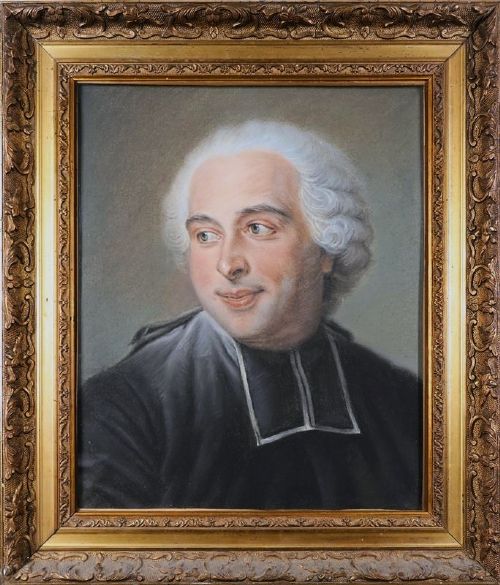


Chalk Pastel Portrait
A chalk pastel portrait captures a face with powder and paper, bringing immediate life to a room through the soft handling of pigment.
Chalk Pastel Portrait
A chalk pastel portrait brings historic faces into modern spaces, capturing sitters from the eighteenth, nineteenth, and early twentieth centuries. These artworks emerge across various movements, including the Italian Baroque, French School, Georgian, and Victorian periods.
Most examples take the form of framed fine art, presenting wall art that ranges from intimate portrayals of young children to formal depictions of historical figures. The selection includes works attributed to specific artists as well as pieces from wider circles and later copies after masters.
Makers recorded in the listings include Benedetto Luti, Robert Faulkner, J Bizo, Arthur Todd, George Richmond, and Robin Watt. Their works sit alongside anonymous pieces that reflect the broader portrait drawing and painting traditions of their respective decades.
Materials and technique
Artists built these images using chalk and pastel applied directly to paper or canvas, sometimes combining them with watercolour and charcoal. This dry medium allows for subtle blending of tones to render flesh and fabric with distinct softness.
Finished works found survival through careful framing behind glass, often housed within gilded frames, giltwood surrounds, and traditional wooden structures. Gold leaf details frequently highlight the borders of these protective enclosures.
Chalk Pastel Portrait Retail Price Guide 2026
Typical asking prices for chalk pastel portrait among the pieces listed under this phrase on Sellingantiques today, from the lower quarter to the upper quarter. They describe what is for sale here now, not the wider market.
The listings show portrait works spanning the eighteenth century through to the nineteen-forties, executed on paper and canvas.
Judging quality
The distinction between works rests upon the surety of the draughtsmanship and the psychological engagement of the sitter's face. Stronger examples demonstrate precise control over expression and lighting despite the friable nature of the medium.
Condition plays a role, particularly the integrity of the paper or canvas beneath and the preservation of the surface beneath glass. Original frames matching the period of creation add historical cohesion to the piece.
Benedetto Luti·J Bizo·Arthur Todd·Robert Faulkner·George Richmond·Robin Watt
The Chalk Pastel Portrait Glossary
- Pastel
- A dry painting medium consisting of powdered pigment and a binder rolled into sticks. It creates velvety surfaces with intense, direct colour.
- Giltwood
- Wood carved and covered with a thin layer of gold leaf or powder. It provides reflective framing for historic works on paper.
- Circle of
- A term used when a work is not by the master himself but comes from an artist working closely within their immediate stylistic orbit. It denotes period proximity.
- Fine art
- Works executed for aesthetic pleasure rather than practical utility. These framed pieces function primarily as visual wall art.
Chalk Pastel Portrait: Frequently Asked Questions
How should I hang a chalk pastel portrait?
Keep these works out of direct sunlight to prevent the fugitive pigments from fading over time. The glass front protects the delicate powder surface from ambient moisture and dust in the room.
Ensure the frame hangs securely from appropriate fixings on a stable interior wall. Avoid placing them in rooms with high humidity, such as kitchens or unventilated bathrooms.
Are these portraits always drawn on paper?
While paper is the standard support for this medium, some Victorian examples utilise canvas instead. The underlying material dictates how the pastel holds its pigment over the decades.
Examination of the edges near the frame usually reveals the chosen support. Both paper and canvas require glass protection to prevent smudging.
How do I identify an eighteenth century piece?
Eighteenth-century examples often feature specific clothing styles, such as red jackets or formal waistcoats, alongside distinct hairstyles. The handling of the pastel tends to align with Georgian or Baroque portrait conventions.
Attributions to artists active in that era, or to their immediate circle, offer further historical context. Archival records on the subject also help confirm the dating.
Why are some works attributed rather than signed?
Many historic portraits left the studio unsigned, relying on stylistic markers for identification. Attributions reflect the consensus of experts comparing the hand to documented works by artists like George Richmond or Arthur Pond.
Unsigned pieces from the French School or Victorian period remain common in this medium. The quality of the draftsmanship often speaks louder than a signature.