





Certified Diamonds
Certified antique diamonds bring documented heritage to jewellery boxes, offering verified stone weights and origins from the Victorian, Edwardian and Art Deco eras.
Certified Diamonds
Certified antique diamonds encompass rings, necklaces, brooches and earrings accompanied by formal gemological laboratory reports. When you search for certified antique diamonds, you meet pieces spanning the Victorian, Edwardian, 1920s Art Deco and mid-century periods, each carrying independent verification of stone grading.
How they were made
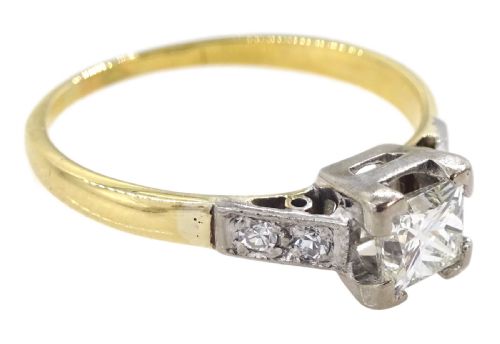
Goldsmiths worked primarily in platinum and 18ct white or yellow gold to fabricate these mounts, often pairing precious metals with silver for early stone settings. Hand-cut diamonds including old mine, cushion, rose and early brilliant cuts were secured by hand-beveled claws and millegrain borders.
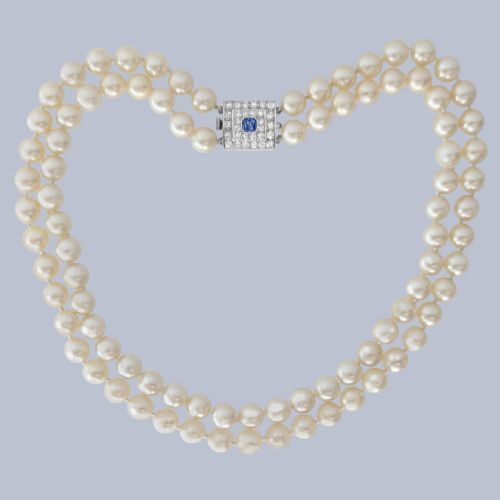
Pearl strands were strung or restrung with bespoke clasps featuring sapphires and diamonds. Brooch and pendant frameworks incorporate articulated hinges and pin mechanisms forged by hand during the late nineteenth and early twentieth centuries.
Certified Diamonds Retail Price Guide 2026
Typical asking prices for certified diamonds among the pieces listed under this phrase on Sellingantiques today, from the lower quarter to the upper quarter. They describe what is for sale here now, not the wider market.
Several pieces convert seamlessly between brooches and pendants, offering versatile wear for nineteenth-century dress code transitions.
What varies in quality
The calibre of the laboratory certification forms a primary distinction, with established bodies providing rigorous colour, clarity and carat assessments. The precision of the original gemstone cutting directly influences light return within older cut stones.
The integrity of the metalwork, from crisp millegrain edges to secure claw settings, marks the distinction between standard production and master craftsmanship. Originality of components and minimal wear to delicate mountings further separate individual examples.
The Certified Diamonds Glossary
- Old mine cut
- An early diamond cut characterised by a cushion outline, high crown, small table and large culet facet. This shape was prevalent during the Victorian period before modern brilliant cutting machinery emerged.
- Millegrain
- A decorative technique featuring a row of tiny raised metal beads along the edges of a setting. It adds a refined texture typical of Edwardian and Art Deco platinum work.
- GIA
- Gemological Institute of America, an independent organisation providing professional diamond grading reports. Such certification verifies the specific colour, clarity, cut and carat weight of a stone.
- Cluster ring
- A ring design featuring a central gemstone surrounded by a border of smaller stones, often diamonds encircling a sapphire or emerald. This arrangement maximises visual impact and sparkle.
- Natural saltwater pearl
- Pearls formed organically in marine environments without human intervention, highly prized in antique pearl necklaces and pendant designs.
Certified Diamonds: Frequently Asked Questions
What does diamond certification involve?
Gemological laboratories examine mounted or loose stones to determine exact carat weight, colour grade, clarity characteristics and cut proportions. This documentation provides objective verification of the diamond's physical attributes.
Independent certificates protect buyers by confirming that stones match historical descriptions and retain their original properties.
How do I care for antique diamond jewellery?
Clean platinum and gold settings gently using warm water, mild detergent and a soft brush to remove everyday oils. Avoid harsh ultrasonic cleaners, particularly when dealing with pearls or softer gemstones.
Store pieces individually in fabric-lined boxes to prevent metal scratching and protect delicate pearl strands from abrasive contact.
How can I identify an Art Deco diamond ring?
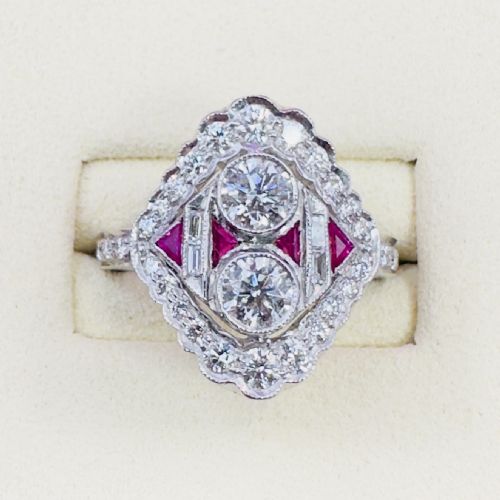
Art Deco rings frequently feature geometric motifs, symmetric patterns, strong linear layouts and delicate platinum millegrain work. They often combine diamonds with calibre-cut sapphires or emeralds.
The aesthetic rejects Victorian ornamentation in favour of clean architectural lines associated with the 1920s and 1930s.