



Ceramic Porcelain Boxes
Ceramic porcelain boxes combine functional storage with intricate artistry, spanning delicate French trinket vessels to bold Art Deco powder jars.
Ceramic Porcelain Boxes
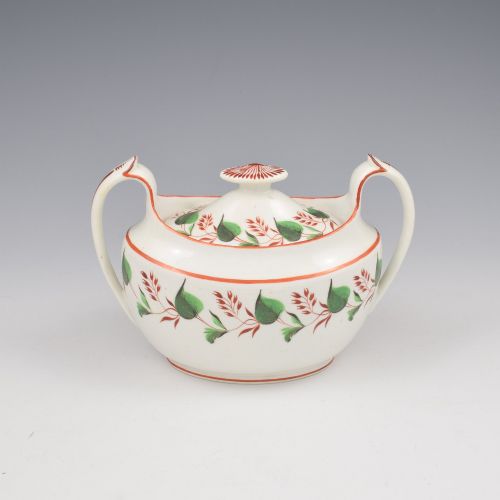
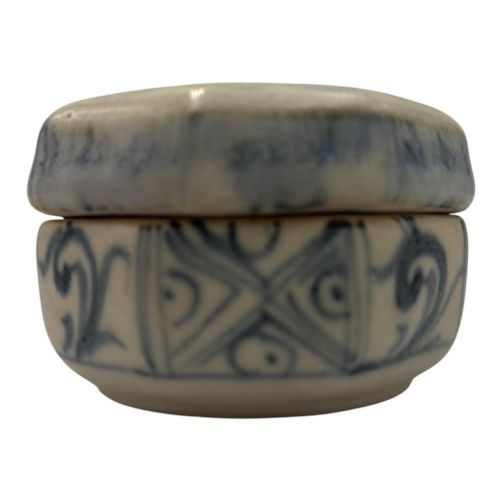
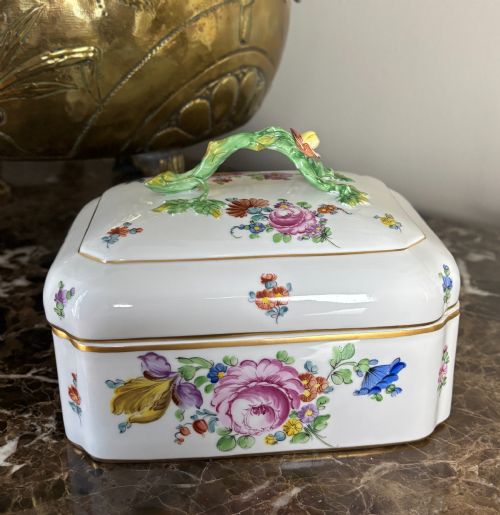
Ceramic porcelain boxes encompass a wide array of functional lidded vessels, including trinket holders, powder jars, sugar bowls, and larger table caskets. When searching for ceramic porcelain boxes, buyers encounter items ranging from early Asian ceramics to nineteenth-century European dresser accessories.
The selection on this page relies heavily on twentieth-century Art Deco figural powder boxes from France, Germany, and Austria, alongside nineteenth-century French and Italian pieces. These domestic containers served various roles on dressing tables and dining surfaces, housing cosmetics, sugar, or small personal valuables.
Earlier examples stretch back to sixteenth-century East Asian production, whilst eighteenth-century German and Italian kilns contributed decorative bonbonnières and caskets. Buyers are most likely to meet French and German Art Deco figurer-topped powder bowls alongside nineteenth-century trinket boxes.
Materials and Technique
Maker operations utilised fired ceramic and hard-paste porcelain as primary bodies, frequently combining these with applied glazes and hand-painted pigments. Artisans shaped clay bodies into octagonal, round, boat, or figural forms before subjecting them to high-temperature kiln firings.
Surface ornamentation involved intricate hand-painted motifs, transfer printing, and applied gold leaf or gilt detailing to highlight rims and contours. European factories often paired porcelain bodies with brass mountings or silver-plated hardware to secure the lids and hinges of larger caskets.
Ceramic Porcelain Boxes Retail Price Guide 2026
Typical asking prices for ceramic porcelain boxes among the pieces listed under this phrase on Sellingantiques today, from the lower quarter to the upper quarter. They describe what is for sale here now, not the wider market.
A porcelain flapper girl smiles from atop her powder box, guarding loose face powder with vintage theatrical flair.
Evaluating Distinction
The standard of execution in ceramic porcelain boxes depends largely on the precision of the hand-painted detailing and the crispness of the moulded porcelain form. Finely modelled figural elements, particularly on mid-century powder boxes, display detailed facial expressions and careful hand-coloring rather than mass-produced transfer designs.
Material composition and factory origin contribute significantly to the standing of a piece, with established European porcelain works and early Asian dynasties demonstrating superior ceramic stability and glaze depth. The integration of auxiliary materials like gilt bronze or fitted brass hardware further separates standard utility pieces from exhibition-grade table caskets.
Meissen·Limoges·Dresden·Richard Ginori·Coalport
The Ceramic Porcelain Boxes Glossary
- Powder Box
- A lidded vessel designed to hold cosmetic face powder on a dressing table. These often feature decorative figural handles or painted lids popular during the early twentieth century.
- Bonbonniere
- A small ornamental box intended for holding sweets or bonbons. These French-derived luxury items frequently appear in fine porcelain and enamel.
- Casket
- A larger, more substantial box meant for storing jewellery or valuables. Antique examples often incorporate hinged brass mounts and detailed painted panels.
- Imari
- A style of Japanese porcelain characterised by underglaze blue and contrasting iron red, gold, and green overglaze enamel designs. These wares were widely exported to Europe.
- Half Doll
- A ceramic upper torso figurine without legs, commonly attached to the top of powder puff covers or boudoir lamps. They are heavily associated with Art Deco vanity accessories.
Ceramic Porcelain Boxes: Frequently Asked Questions
What were ceramic porcelain boxes used for?
These vessels served practical daily functions in domestic settings, primarily storing cosmetics, loose powder, sugar, or small personal trinkets. Dressing tables and dining rooms were their common locations.
On vanity surfaces, lidded jars held face powder and puffs, whilst larger caskets secured jewellery and keepsakes. Dining variants functioned as sugar bowls or small bonbon containers.
How do I date an antique porcelain box?
Dating relies on stylistic indicators, manufacturing techniques, and factory marks stamped or painted on the unglazed base. Art Deco pieces display characteristic 1930s geometric or figural flapper designs.
Earlier nineteenth-century examples often show Rococo Revival influences or heavier hand-painted gilt work. Period-specific clothing on figural lids also helps narrow the production window.
Are these boxes fragile for everyday use?
Ceramic and porcelain materials require careful handling due to their brittle nature and delicate overglaze decorations. Historic pigments can wear down with aggressive cleaning.
Displaying them away from high-traffic areas preserves both the ceramic body and any applied gold leaf or brass hardware. Gentle dusting is typically sufficient for maintenance.