



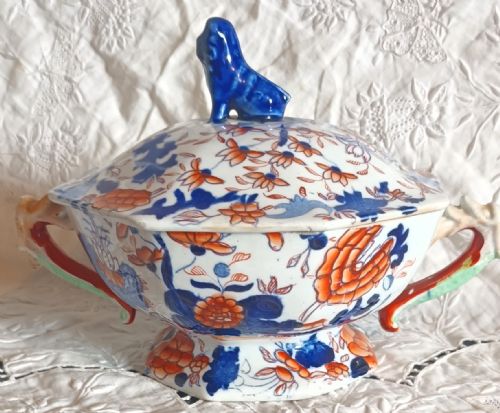


Ceramic Lidded Bowl
A ceramic lidded bowl holds small treasures or serves the table, offering practical grace through periods ranging from the eighteenth century to Art Deco.
Ceramic Lidded Bowl
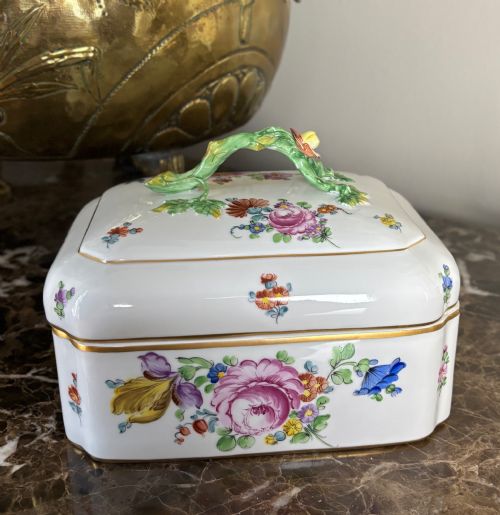
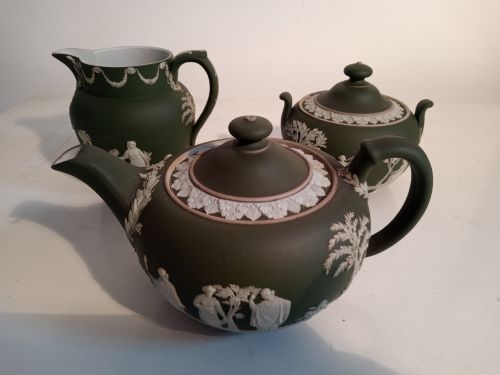
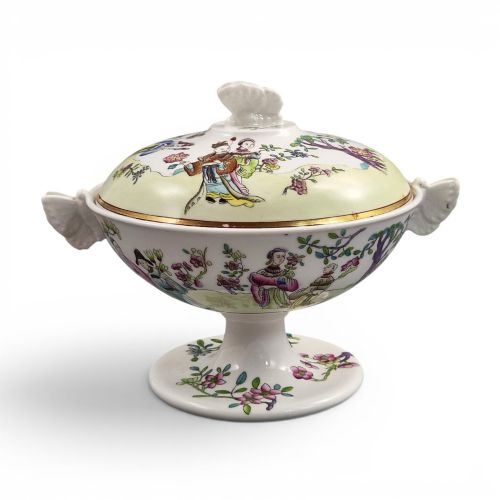
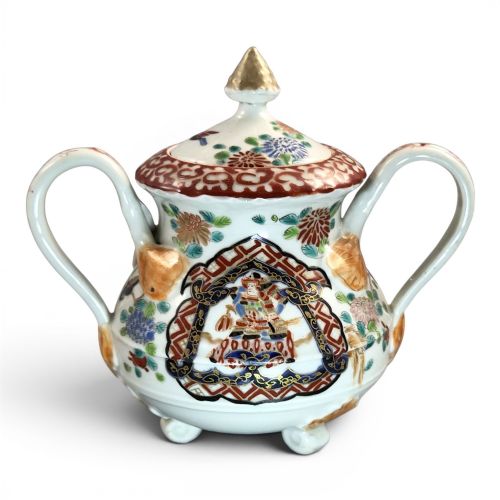
A ceramic lidded bowl encompasses diverse forms including sugar bowls, tureens, potpourri jars, and powder boxes designed for domestic utility and display. The selection spans centuries of craft, from Georgian ironstone tureens to Japanese Imari porcelain and French Art Deco powder boxes.
Buyers most frequently encounter nineteenth-century ironstone vessels alongside porcelain sugar boxes and decorative jars. These items reflect traditional household tasks like serving tea or storing table provisions.
Origins stretch across English, European, and Asian workshops, introducing varied decorative motifs such as Chinoiserie patterns, transfer prints, and hand-painted motifs.
How they were made
Potters shaped ceramic bodies using earthenware, porcelain, and durable ironstone before applying glazes to seal the surface. Many vessels received transfer-printed designs or hand-painted enamel decoration.
Finishing touches often involved gilding with gold leaf, alongside specialised techniques like transfer printing in blue and white or multi-coloured enamel painting.
Ceramic Lidded Bowl Retail Price Guide 2026
Typical asking prices for ceramic lidded bowl among the pieces listed under this phrase on Sellingantiques today, from the lower quarter to the upper quarter. They describe what is for sale here now, not the wider market.
The selection includes forms ranging from large vegetable tureens to small trinket boxes and potpourri jars.
What varies in quality
Quality rests in the crispness of the moulded form and the precision of the painted or printed decoration. Superior examples display clean alignment between lid and base alongside well-preserved gilding and enamel.
The sophistication of the painting, whether a delicate Chinoiserie scene or a complex Imari pattern, separates standard utilitarian wares from exceptional studio and factory pieces.
Spode·Wedgwood·Mason's Ironstone·Royal Crown Derby·Chamberlain Worcester·Derby·Richard Ginori·Moorcroft Macintyre and Co·Coalbrookdale·James Wallace and Co·Limoges·Meissen·Coalport
The Ceramic Lidded Bowl Glossary
- Sucrier
- A small covered bowl designed specifically for holding sugar during tea service. These often match larger tea sets or porcelain services.
- Potpourri
- A lidded jar or bowl pierced with holes to release the scent of dried flowers and spices placed inside. These vessels date across multiple decorative periods.
- Transfer print
- A decorative technique where a design is engraved on a copper plate, transferred to paper, and stamped onto the ceramic body before glazing. Blue and white scenes are typical examples.
- Enamel
- Opaque vitreous material fused to the ceramic surface through firing to add rich colour. It allows for vibrant hues on porcelain and pottery.
Ceramic Lidded Bowl: Frequently Asked Questions
What is a ceramic lidded bowl used for?
These vessels served various domestic purposes, from containing sugar at the tea table to holding powder on a dressing table. Many functioned as tureens for serving vegetables or as jars for aromatic potpourri.
Their enclosed design helped preserve dry goods or contain scents while providing a decorative focal point for rooms.
How do I identify a Georgian ironstone tureen?
Georgian ironstone pieces typically display robust, heavy bodies with utility-driven forms and distinct maker marks related to nineteenth-century production. They often feature traditional Chinoiserie transfer prints in green or blue.
The weight and density of the ceramic distinguish true ironstone from lighter earthenware or delicate porcelain.
How should I clean my lidded bowl?
Wash ceramic pieces gently by hand using lukewarm water and mild soap to protect delicate glazes and gilding. Avoid harsh scourers or soaking older enamel work.
Dry the vessel thoroughly with a soft cloth, taking particular care around lids and handles.
What distinguishes Art Deco powder boxes?
Art Deco powder boxes from the 1930s feature stylised figures, such as bathing belles, alongside geometric forms typical of the era. French and European potteries produced these vanity items for dressing tables.
The glazes and mould designs reflect the modern aesthetic shifts of the interwar period.