





Ceramic Horse Figures
Ceramic horse figures bring centuries of sculptural form into a room, capturing both spirited equestrian energy and domestic Victorian portraiture.
Ceramic Horse Figures
When you search for ceramic horse figures, you encounter a remarkably diverse group of objects spanning ancient burial items and nineteenth-century earthenware. The selection ranges from early Chinese terracotta tomb pieces to robust British Staffordshire flatbacks depicting historical figures and royalty.
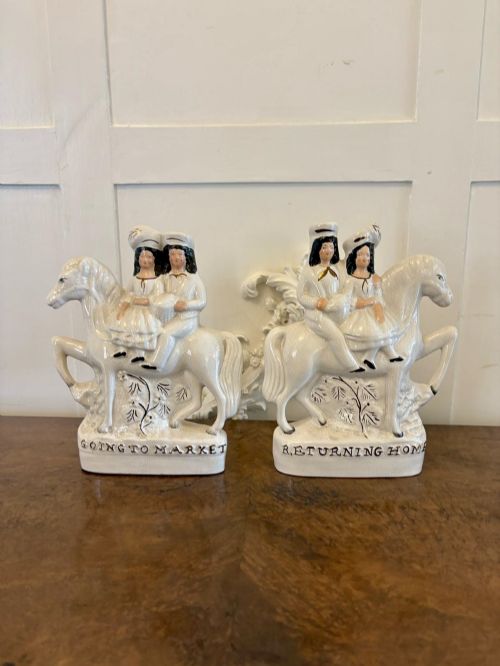
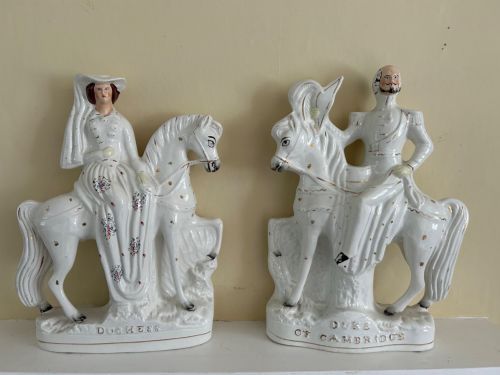
Victorian Staffordshire pieces form the most frequent encounters in this category, often presenting riders on horseback such as Scottish Highlanders, jockeys, or political figures like Garibaldi. These mantel ornaments capture popular nineteenth-century narratives through distinct regional pottery traditions.
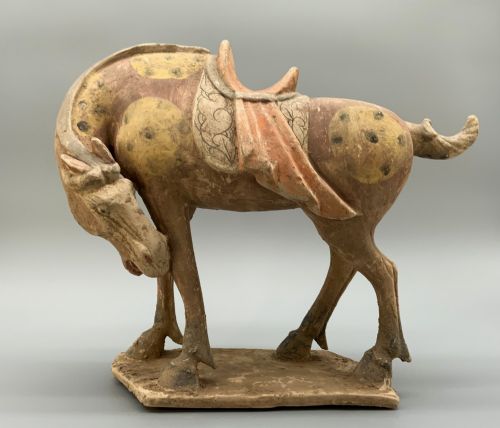
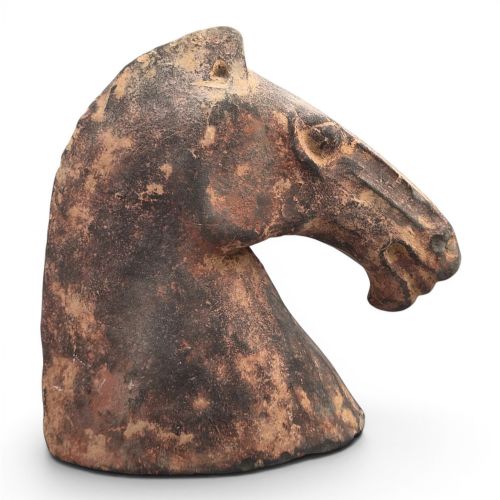
Alongside British earthenware, the category embraces far older Eastern traditions, including early terracotta animal heads and sancai glazed sculptures. These older examples introduce ancient funerary sculpture into domestic collections, offering a stark contrast to later folk art interpretations.
How they were made
Potters shaped these figures primarily from clay and earthenware, utilising moulds for domestic Staffordshire output and hand-forming or pressing methods for ancient terracotta horse heads. The body material dictates the weight and density of the final sculpture.
Ceramic Horse Figures Retail Price Guide 2026
Typical asking prices for ceramic horse figures among the pieces listed under this phrase on Sellingantiques today, from the lower quarter to the upper quarter. They describe what is for sale here now, not the wider market.
Materials range from simple unglazed clay and earthenware to rich lead glazes and vibrant hand-applied enamel colours.
What varies in quality
The application and preservation of the glaze or enamel finish heavily influence the visual impact of the piece. Crisp, vibrant colour application without excessive pooling or fading distinguishes better-preserved examples across both Victorian earthenware and older glazed pottery.
The Ceramic Horse Figures Glossary
- Flatback
- A ceramic figure modelled fully on the front and sides while leaving the reverse largely unglazed and flat, designed to sit flush against a mantelpiece. This method saved material and weight during production in nineteenth-century potteries.
- Earthenware
- A porous pottery body fired at lower temperatures, commonly used for nineteenth-century Staffordshire figures. It requires a glaze coating to become completely watertight.
- Sancai
- A traditional three-colour lead glaze scheme associated with Chinese pottery, typically featuring amber, green, and creamy white tones. These glazes often pool and overlap distinctively during the kiln firing.
- Terracotta
- Unglazed or slip-coated fired clay possessing a warm reddish-brown hue, frequently utilised for ancient tomb figures and architectural models. The porous nature of the material absorbs environmental traces over centuries.
- Mingqi
- Ancient Chinese burial goods placed in tombs to serve the deceased in the afterlife, including moulded horse heads and ceramic figures. These items provide direct archaeological insight into early dynasty craftsmanship.
Ceramic Horse Figures: Frequently Asked Questions
What periods do these figures cover?
The pieces span from ancient pre-sixteenth-century dynasties up through nineteenth-century Victorian production.
Nineteenth-century British examples dominate current finds, while earlier centuries are represented by Chinese tomb pottery.
How were Staffordshire figures displayed?
Makers designed Staffordshire flatbacks specifically for display on mantels and shelves in nineteenth-century homes.
Their flat backs allowed them to sit securely against walls in parlours and living spaces.
What subjects appear on the horses?
Common subjects include historical personalities, political figures, royalty, Scottish Highlanders, and mounted jockeys.
Folk art interpretations also feature ordinary riders, children, and literary characters.
Are older pieces glazed differently?
Yes, older eastern pieces frequently utilise sancai lead glazes that run in distinct amber and green tones.
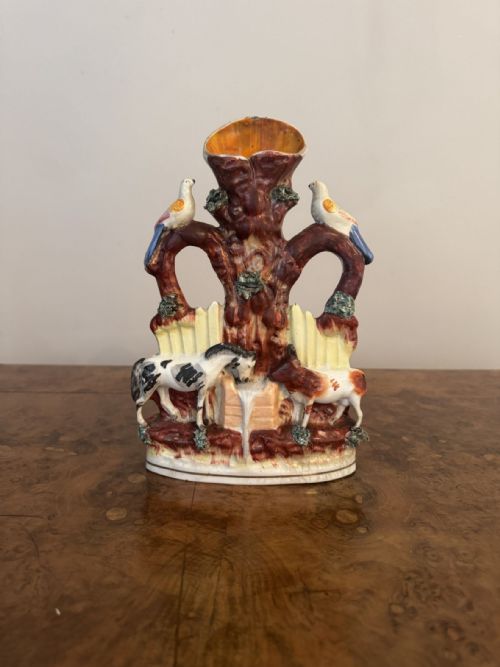
Nineteenth-century British examples rely instead on painted enamel details over clear or lead glazes.