



Ceramic Desk Accessory
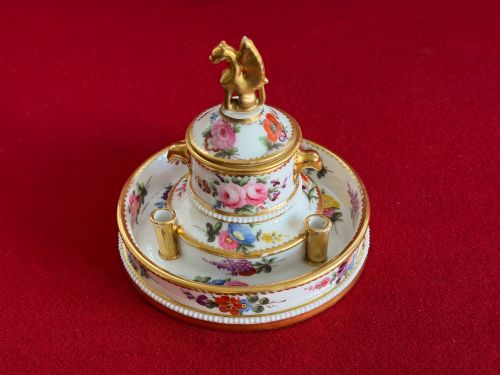
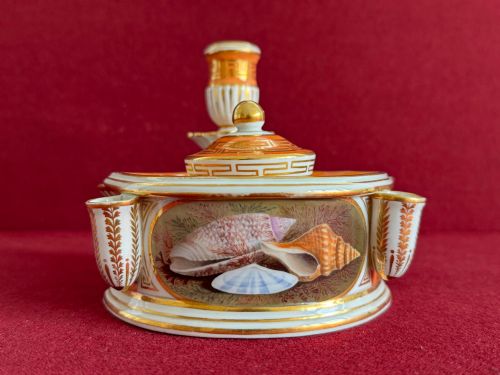
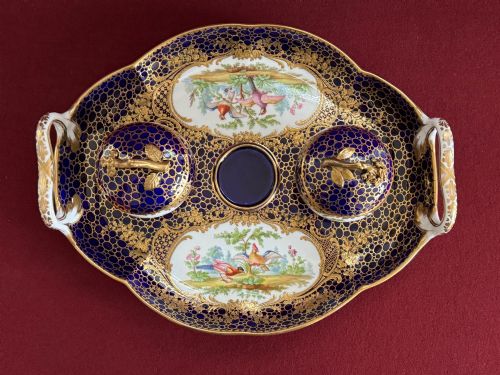
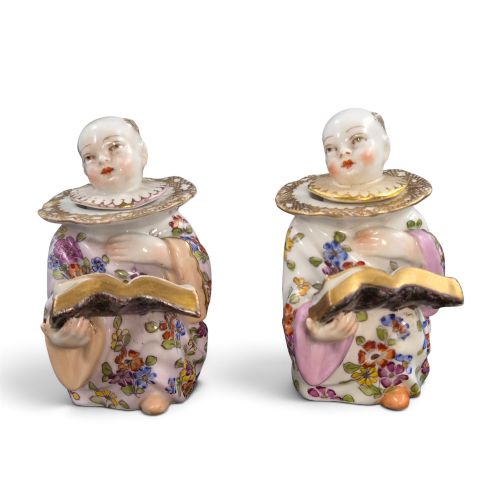
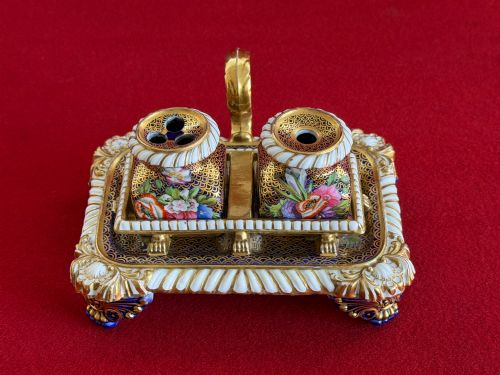
A ceramic desk accessory brings utilitarian purpose to the writing table through porcelain, earthenware, and faicence shaped into inkstands, inkwells, and brush pots.
Ceramic Desk Accessory
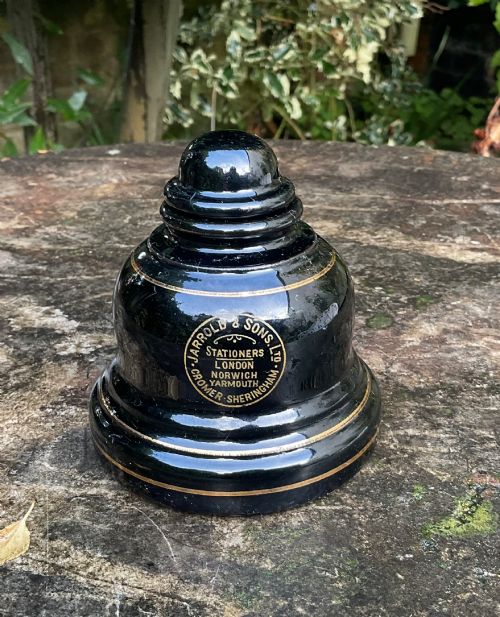
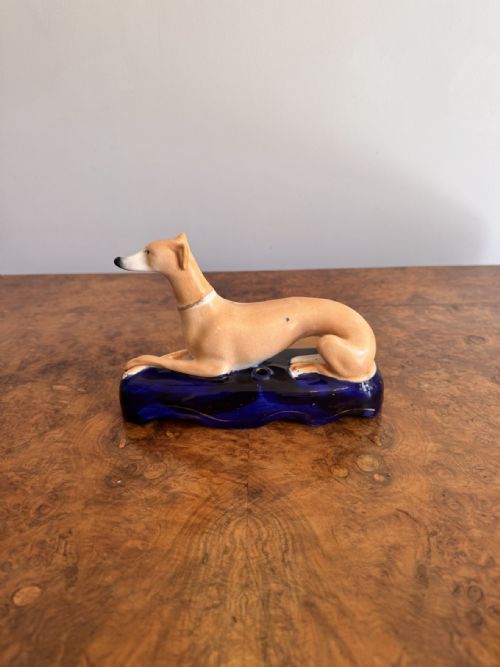
A ceramic desk accessory encompasses writing equipment such as inkstands, inkwells, quill holders, and brush pots produced across the Georgian, Victorian, and Edwardian periods. Buyers searching for a ceramic desk accessory commonly encounter Staffordshire animal figures holding ink or quills alongside refined porcelain pieces from English and continental factories.
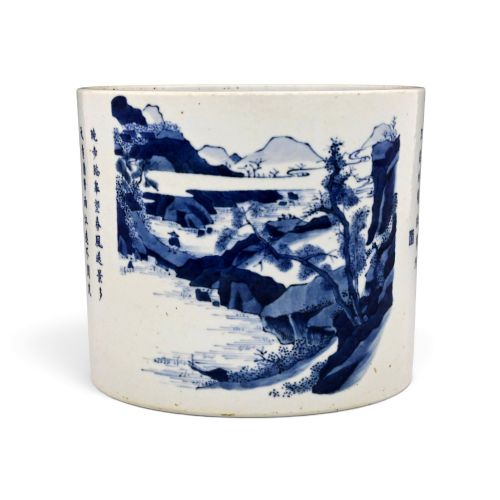
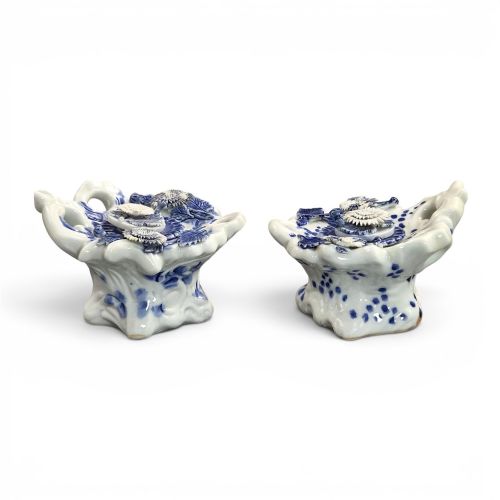
Forms range from simple blue and white scholar's brush pots to elaborate figural groups featuring greyhounds, dalmatians, and singing boys alongside brass mounts and enamel details. These pieces served practical needs in domestic and scholarly settings while offering decorative richness through Chinoiserie, Dutch Delft, and Sèvres revival styles.
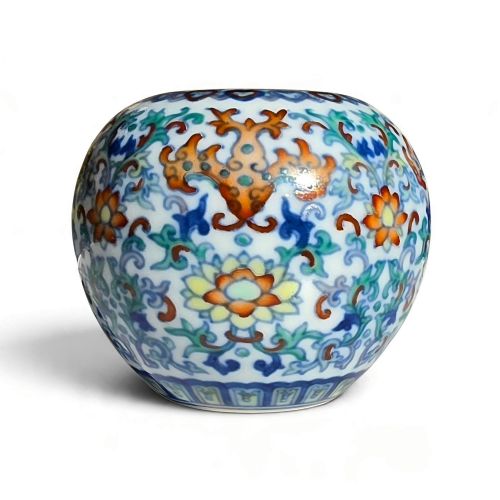
The selection reflects both European ceramic traditions and Asian export works, including Japanese Meiji period porcelain and Chinese Qing dynasty pieces. Such variety ensures that collectors find items ranging from utilitarian stoneware inkwells to highly ornamental cabinet pieces.
Materials and Construction
Maker utilise porcelain, earthenware, pearlware, and stoneware, often combining ceramic bodies with brass bases or gold leaf accents. Cobalt glaze and hand-painted enamel provide surface decoration on tin-glazed faience and soft-paste bodies alike.
Moulding and slip-casting allow for complex figural forms such as dogs, birds, and architectural Schneeballen covers. Artisans apply underglaze blue and polychrome enamels before high-temperature firing to vitrify the clay and fix the pigments.
Ceramic Desk Accessory Retail Price Guide 2026
Typical asking prices for ceramic desk accessory among the pieces listed under this phrase on Sellingantiques today, from the lower quarter to the upper quarter. They describe what is for sale here now, not the wider market.
Common desktop forms include inkstands, brush pots, pounce pots, and figural quill holders decorated in Chinoiserie and Delft styles.
Evaluating Quality and Execution
Quality rests upon the crispness of the moulding and the control of the hand-painted brushwork, particularly on detailed figural pieces and botanical motifs. Superior examples display precise enamel application and well-preserved gilding without blurring of the cobalt underglaze.
The integration of secondary materials such as brass fittings and original lids dictates the overall integrity of the piece. Well-balanced proportions and fine baseline throwing separate standard production wares from high-status factory output.
Minton·Flight and Barr·Spode·Edmé Samson·Meissen
The Ceramic Desk Accessory Glossary
- Inkstand
- A complete desk stand accommodating an inkwell, sander, and pen holder, often mounted on a ceramic tray. These pieces formed the centrepiece of the writing table.
- Pounce pot
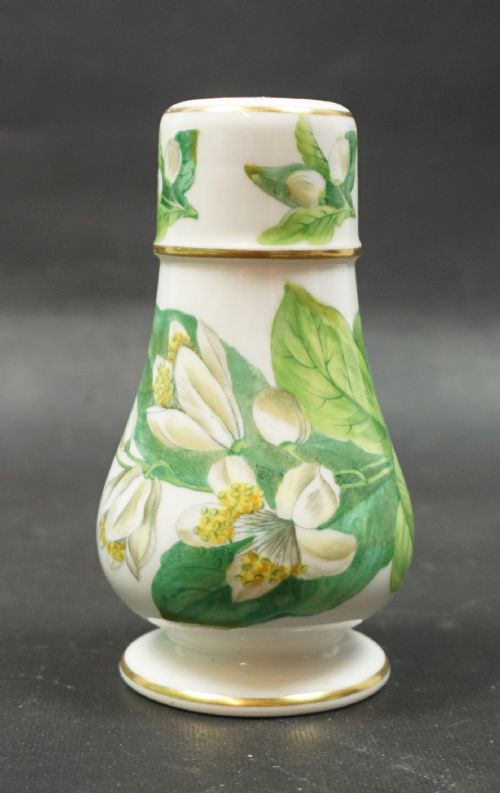
- A small shaker used to sprinkle resin or gum sandarac powder over unsized paper to prevent ink from bleeding. They frequently match the design of companion inkwells.
- Bitong
- A cylindrical brush pot used in traditional Chinese scholar's studios for holding writing brushes. They are carved or painted in porcelain, bamboo, or hardwood.
- Faience
- Tin-glazed earthenware produced in various European centres, notably in France and the Netherlands. The opaque white glaze provides a smooth ground for painted decoration.
- Schneeballen
- A German ceramic decorative technique involving applied rosettes and small blossoms covering the entire surface of the vessel. It requires meticulous hand-assembly by the potter.
Ceramic Desk Accessory: Frequently Asked Questions
What is a pounce pot used for?
A pounce pot held fine powder sprinkled over rough paper before writing to create a smooth surface. This kept ink from spreading along paper fibres.
Potters shaped these small containers from porcelain and pearlware to match accompanying inkwells on the writing desk.
How do I identify a Victorian Staffordshire inkwell?
Staffordshire inkwells typically feature modelled animals such as greyhounds or dalmatians seated beside an ink reservoir. Earthenware bodies carry hand-painted or sponged colour beneath a clear lead glaze.
These pieces date largely from the mid nineteenth century and served as both desk toys and functional ink holders.
What is the difference between a brush pot and an inkwell?
A brush pot is an open cylindrical vessel designed to hold calligraphy brushes upright. An inkwell contains a closed or semi-enclosed reservoir for liquid ink.
Asian scholar objects favour open brush pots while European desks utilise lidded inkwells and complete inkstands.
Where were Dutch Delft inkstands made?
Dutch Delft inkstands originated in workshops around Rotterdam and Delft producing tin-glazed earthenware. They utilise blue and white painting inspired by Chinese porcelain imports.
These desktop accessories display characteristic faience bodies with hand-brushed landscape or floral scenes.