



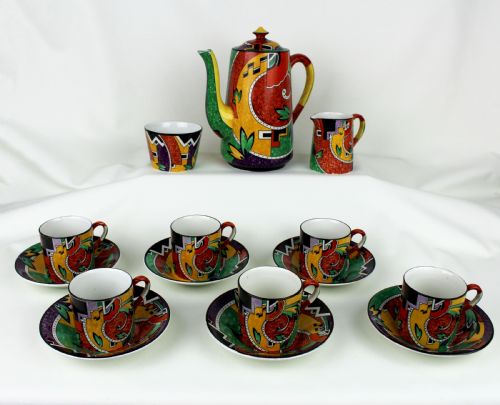
Ceramic Demitasse
Ceramic demitasse cups and saucers are small vessels designed for after-dinner coffee, offering an intimate way to hold concentrated brews.
Ceramic Demitasse
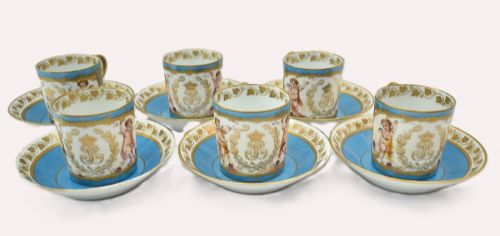
When you search for ceramic demitasse, you encounter small-scale cups, saucers, and complete sets designed specifically for serving strong coffee after meals. The pieces span centuries of production, taking forms such as individual coffee cans, teacups and saucers, and multi-piece coffee services.
You are most likely to meet 1920s sets and 19th-century examples on this page, alongside earlier Georgian and 18th-century porcelain. Forms range from solitary cups to matched cased sets with silver mounts and spoons.
Origins stretch across English potteries and continental European makers, showing how diverse these small serving vessels remained across different periods and styles like Art Deco and Regency.
How they were made
Potters relied primarily on porcelain, bone china, and earthenware to form the thin, delicate bodies of these small cups and saucers. These ceramic bases allowed for crisp moulding and reliable firing in kilns.
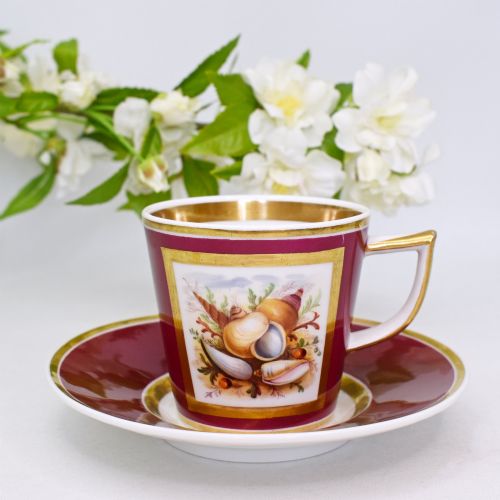
Decoration often involved hand-painted details, enamel work, and the application of gold leaf, gilding, or gold gilt to rims and handles. Artisans also utilised transfer printing and landscape painting to adorn the surfaces.
Ceramic Demitasse Retail Price Guide 2026
Typical asking prices for ceramic demitasse among the pieces listed under this phrase on Sellingantiques today, from the lower quarter to the upper quarter. They describe what is for sale here now, not the wider market.
Several sets include tiny matching spoons, ensuring your miniature coffee ritual has the proper hardware from the start.
What varies in quality
The refinement of the ceramic body and the precision of the form set finer examples apart from standard production items. Thinner, more translucent porcelain and perfectly balanced handles indicate superior manufacturing standards.
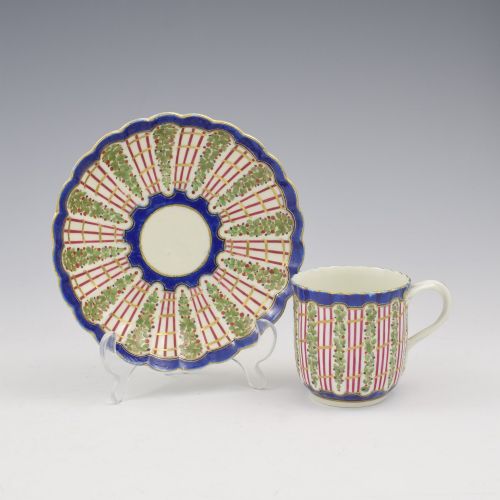
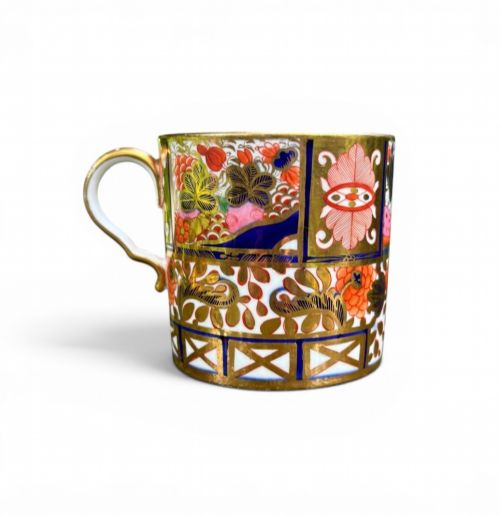
The artistry and execution of the decoration, particularly hand-painted landscape scenes or complex patterns like Imari and hop trellis designs, determine the level of craftsmanship. Rich application of gold leaf and enamel adds to the distinction of the work.
Yates Leeds·Spode·Clarice Cliff·Royal Worcester·Coalport·Ahrenfeldt and Asalvary·KPM Berlin·Hutschenreuther·Royal Crown Derby
The Ceramic Demitasse Glossary
- Demitasse
- A small cup used for serving black coffee or espresso after a meal. The term translates literally from French as half-cup.
- Coffee Can
- A straight-sided, cylindrical cup shape popular during the Georgian and 19th-century periods for serving coffee. It typically lacks the curved bowl profile of a standard teacup.
- Imari
- A decorative style inspired by Japanese export porcelain, characterised by underglaze blue, iron red, and abundant gilding. It appears on various English porcelain services.
- Bone China
- A type of porcelain composed of clay mixed with bone ash, producing a strong, highly translucent material. It became a staple of English ceramic production.
Ceramic Demitasse: Frequently Asked Questions
What is a ceramic demitasse used for?
These small vessels serve concentrated after-dinner coffee or espresso, holding a smaller volume than standard tea or breakfast cups.
Their compact size keeps strong coffee hot while providing an elegant presentation at the end of a meal.
How do I identify a coffee can?
Coffee cans feature straight, cylindrical sides rather than the flaring bowl shape of a typical teacup. They often stand on a small foot ring and possess a simple loop handle.
This distinct geometry was particularly common in Georgian and early 19th-century porcelain services.
Are these pieces safe to use daily?
Many antique porcelain and bone china sets remain structurally sound for gentle use, though hand washing is necessary to protect delicate enamels and gold leaf.
Given the age and presence of hand-painted decoration or gilding, most owners reserve them for occasional special use rather than daily routines.
How can I tell the period of a set?
Dating relies on examining the ceramic body, the style of the handle, and any painted or impressed factory marks on the underside of the base. Stylistic cues like Art Deco geometric patterns or Regency neoclassical motifs also point toward specific decades.