




Ceramic Children Figure
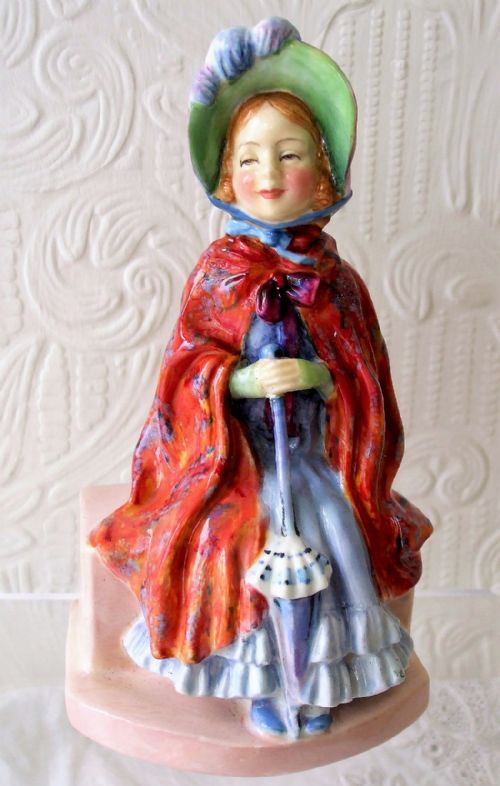
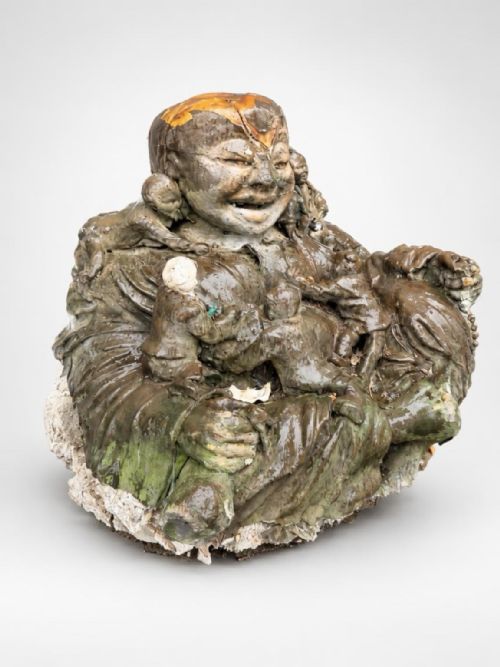
These ceramic children figure listings bring together small sculptures and figures spanning the eighteenth to the twentieth centuries.
Ceramic Children Figure
A ceramic children figure search delivers sculptural forms ranging from eighteenth century porcelain figures to twentieth century earthenware and stoneware pieces. You encounter figurines and sculptural groups depicting children alone or alongside animals, adults, and mythological figures.
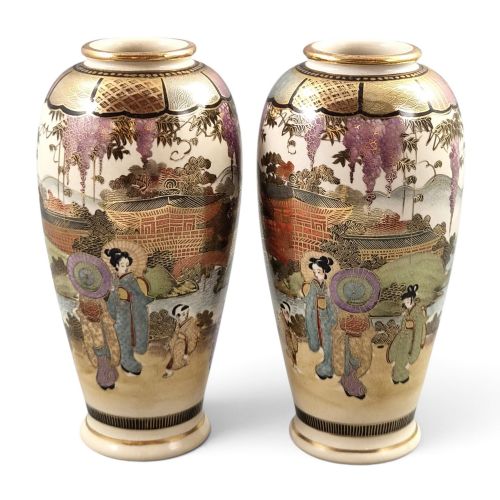
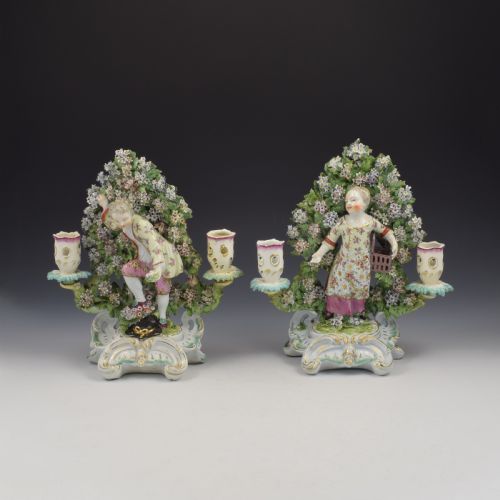
The selections span English, continental European, and Japanese workshops, with notable nineteenth century Staffordshire and continental porcelain works appearing frequently. Figures take the form of freestanding decorative statuettes, candlesticks, and busts.
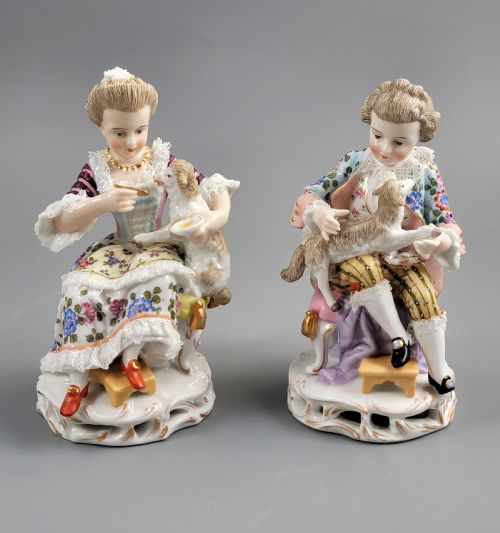
Makers include large factories such as Meissen, Royal Copenhagen, and Royal Dux, alongside named modellers and smaller studio productions. Subjects range from allegorical pairs and literary scenes to domestic scenes with pets.
How they were made
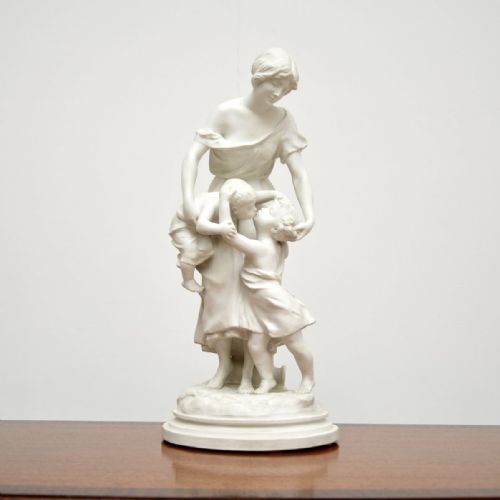
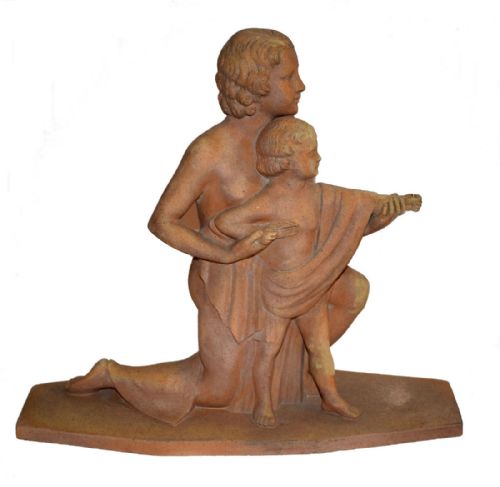
Makers utilised porcelain, earthenware, terracotta, and stoneware, often finishing pieces with hand-painted enamel colours or leaving them as unglazed bisque. Parianware and bisque porcelain appear often for nineteenth century statuary, yielding matte surfaces and detailed modelling.
Ceramic Children Figure Retail Price Guide 2026
Typical asking prices for ceramic children figure among the pieces listed under this phrase on Sellingantiques today, from the lower quarter to the upper quarter. They describe what is for sale here now, not the wider market.
Children occasionally share the spotlight with unexpected companions, including rhesus monkeys, pet lambs, and very determined puppies.
What varies in quality
Quality rests primarily on the crispness of the modelling and the sensitivity of the hand-painting, distinguishing factory standards across periods. Superior examples retain fine facial expressions, delicate fingers, and well-defined drapery without muddy glaze pooling.
The complexity of the composition and the integrity of applied details, such as delicate foliage or animal forms, separate standard production pieces from ambitious sculptural groups. Intact original painted surfaces and clear factory marks elevate the standing of a piece.
Luca Madrassi·Berthe Savigny·John Durham·Carl Thieme·Helena Wolfsohn
The Ceramic Children Figure Glossary
- Bisque
- Unglazed porcelain fired to a matte, marble-like finish. It was widely utilised in the nineteenth century for classical and sentimental figural sculpture.
- Bocage
- An applied background of leaves and flowers modelled around a central figure. This technique is typical of eighteenth century porcelain figures.
- Parianware
- A fine-grained white porcelain developed in the nineteenth century to imitate carved marble. It is known for its smooth, unglazed surface texture.
- Staffordshire
- Earthenware pottery produced in the Staffordshire region of England. Figures from this area often feature robust modelling and vibrant underglaze or enamel painting.
- Putto
- A representation of a small child, frequently winged, appearing in art from the Renaissance onwards. They are often seen accompanying religious or allegorical figures in porcelain.
Ceramic Children Figure: Frequently Asked Questions
How do I identify eighteenth century figures?
Eighteenth century figures often display characteristic hand-modelled floral bocage backgrounds and softer paste porcelain bodies. The painting styles tend toward delicate, hand-applied enamel palettes specific to factories like Meissen or Derby.
Examination of the underside frequently reveals unglazed foot rims and early factory marks or incisions. The weight and translucency of the porcelain further distinguish these early pieces from later nineteenth century revivals.
What is the difference between bisque and porcelain?
Bisque refers to porcelain that has been fired once without a final glaze, leaving a matte, porous surface resembling marble. Standard porcelain receives a glass-like glaze coating before a secondary high-temperature firing.
While glazed porcelain offers shiny surfaces and bright enamel protection, bisque allows for sharper sculptural detail without glaze blurring the underlying form. Both materials were utilised across the nineteenth century for figural works.
Where were Staffordshire figures displayed?
Staffordshire pottery figures of children and animals were made for domestic display on mantelpieces and parlour shelves. Working families and middle-class households collected these brightly painted earthenware pieces to adorn their living spaces.
Unlike delicate cabinet porcelains, these sturdier earthenware pieces were designed to be viewed from the front in domestic rooms. Their cheerful subjects and bold colours made them popular ornaments in Victorian homes.
How should I care for ceramic figures?
Ceramic and porcelain figures require gentle dusting with a soft, dry brush to prevent the accumulation of dirt on delicate surfaces. Avoid using liquid cleaners or abrasive cloths, particularly on unglazed bisque or hand-painted enamel details.
Keep pieces away from direct sunlight and areas subject to sudden temperature fluctuations to protect fragile glazes and historical bodies. Secure display on stable shelving prevents accidental knocks to protruding limbs or applied floral elements.