



Ceramic Center Bowl
A ceramic centre bowl anchors a table or sideboard with colour and form, bringing centuries of ceramic artistry into daily interiors.
Ceramic Center Bowl
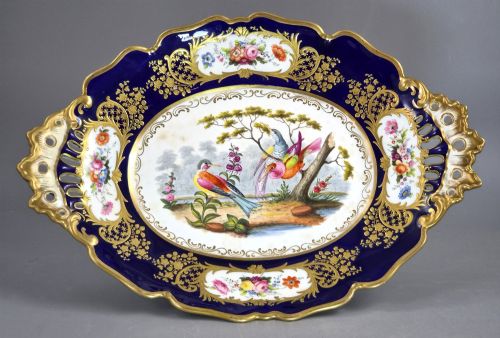
A ceramic centre bowl encompasses large decorative vessels, comports, footed bowls and jardinieres designed to sit on tables and sideboards. These pieces originate from various periods including the Georgian era, the nineteenth century, and the early twentieth century.
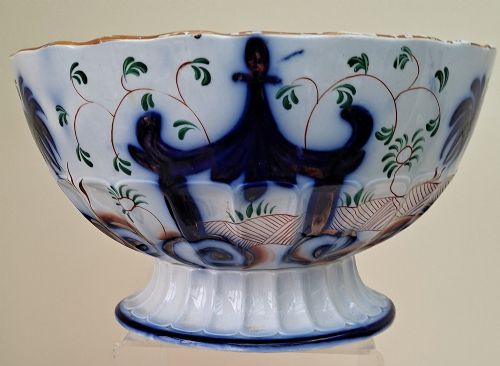
Buyers will most frequently encounter nineteenth-century porcelain and earthenware pieces, alongside Chinese export bowls and English ironstone comports. Forms range from simple footed bowls to elaborate centrepieces featuring figural stands and ormolu mounts.
Origin points span English factories, continental European potteries, and Chinese export workshops, reflecting diverse aesthetic movements from Rococo Revival and Art Nouveau to Qing Dynasty designs.
Materials and methods of manufacture
Potters shaped these vessels using porcelain, earthenware, ironstone and creamware, applying coloured glazes and hand-painted enamel decoration. Many examples incorporate gilding and gold leaf accents to highlight moulded details.
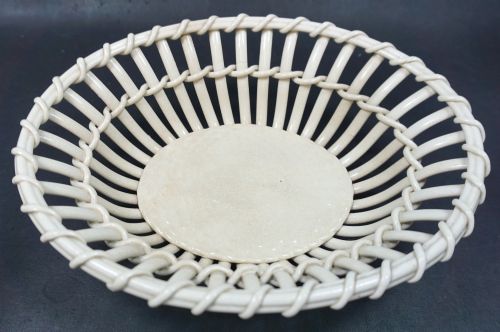
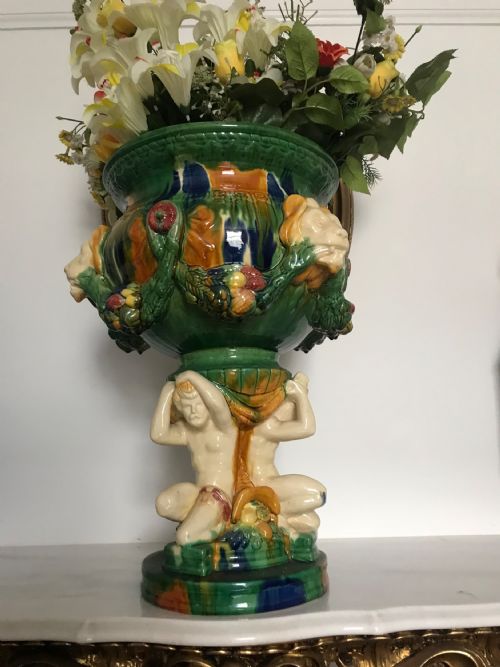
Advanced techniques included reticulation, transfer printing, and intricate hand-painting of floral, bird, and figural patterns. Some larger pieces utilised ormolu mounts, mahogany stands, or figural ceramic bases for structural support.
Ceramic Center Bowl Retail Price Guide 2026
Typical asking prices for ceramic center bowl among the pieces listed under this phrase on Sellingantiques today, from the lower quarter to the upper quarter. They describe what is for sale here now, not the wider market.
Several bowls sit upon mahogany stands, proving that even fine porcelain sometimes appreciates a sturdy wooden pair of shoes.
Distinctions in quality and execution
Quality rests upon the crispness of the moulding, the precision of the hand-painted enamel work, and the richness of the gilding. Superior pieces display refined brushwork and balanced proportions rather than hasty decoration.
The integrity of the glaze and the complexity of the form distinguish finer output from standard production, particularly in works featuring reticulated baskets or applied figural elements.
Coalport·Wedgwood·Ridgway·Chamberlain Worcester·Flight Barr And Barr·Gien·Charlotte Rhead Bursley Ware·Royal Worcester·Hadley·Royal Dux
The Ceramic Center Bowl Glossary
- Comport
- A raised dish or bowl used for serving fruit or sweetmeats at the table. These elevated vessels often feature footed bases or pedestal supports.
- Ironstone
- A dense, durable type of earthenware patented in the nineteenth century. It combined pottery clay with slag iron to create a robust body suitable for heavy use.
- Reticulation
- An openwork pattern pierced through the ceramic clay before firing. This decorative technique creates basket-weave or lattice effects.
- Ormolu
- Gilded bronze mounts applied to ceramic vessels for decorative enhancement. They provide structural framing and ornamental handles.
- Imari
- A style of Japanese export porcelain decorated in underglaze blue and iron red with gold additions. European factories frequently copied these distinct palettes.
Ceramic Center Bowl: Frequently Asked Questions
How were ceramic centre bowls used?
These vessels served as ornamental centrepieces on dining tables, often holding fruit, flowers, or sweetmeats during formal meals. They functioned primarily as decorative focal points rather than utilitarian kitchenware.
Over time, owners moved them to sideboards, pedestals, and entrance halls where their painted designs and sculptural forms could be admired without risk of food damage.
How do I style a centre bowl at home?
Place a large footed bowl or comport in the middle of a dining table or upon a heavy wooden sideboard to draw the eye. Let the piece stand alone to showcase its painted panels or gilded handles.
Alternatively, fill shallow varieties with seasonal fruit or dried botanicals, ensuring the surrounding surface complements the glaze colour, whether cobalt blue or blush ivory.
How can I tell nineteenth-century bowls apart?
Examine the base for factory stamps, painted marks, or impressed ciphers which often indicate the maker and approximate decade of production. Style markers like rococo scrolls, transfer-printed motifs, or hand-painted imari palettes also point to specific eras.
Material composition helps distinguish heavier ironstone and earthenware from fine translucent porcelain, while continental works frequently display distinct porcelain bodies compared to English wares.
What is the difference between a comport and a jardiniere?
A comport is an elevated bowl on a footed base or pedestal, traditionally used for serving fruit or displaying confectionary at the table. Its shallow form emphasises visual presentation.
A jardiniere is a decorative pot or planter designed to hold potted plants and flowers, featuring a deeper basin to accommodate soil and moisture.