

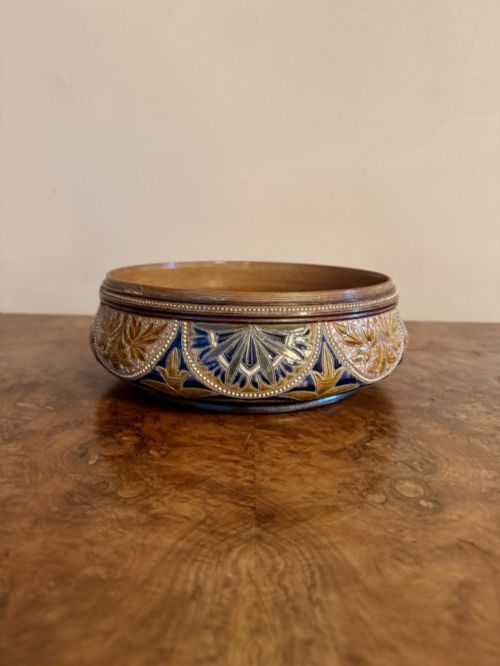
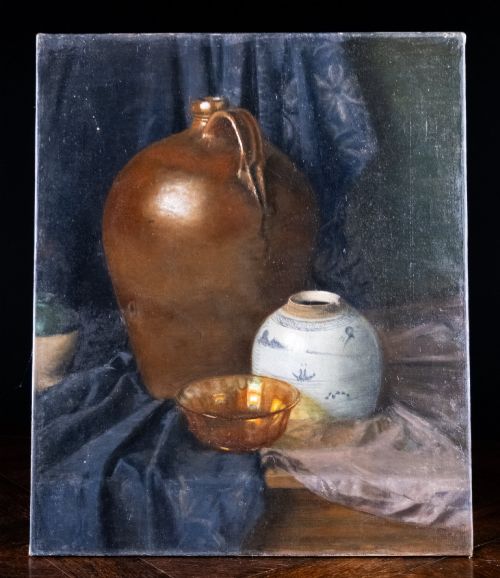
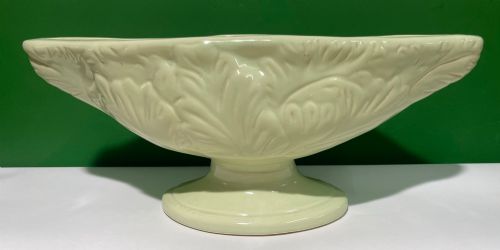
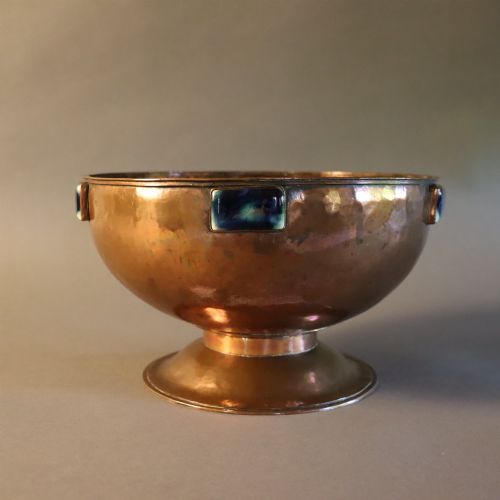
Ceramic Art Bowl
A ceramic art bowl brings decorative punch to a room, ranging from Edwardian lustre wares to Chinese porcelain dishes.
Ceramic Art Bowl
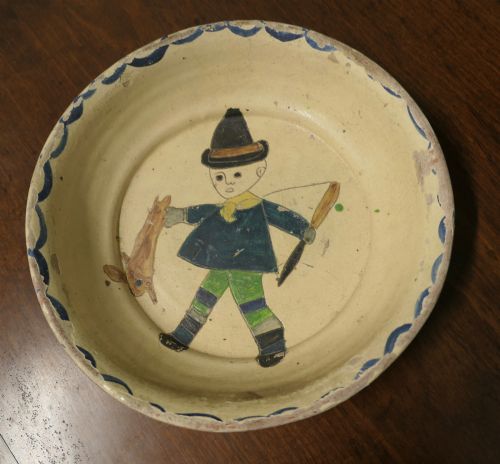
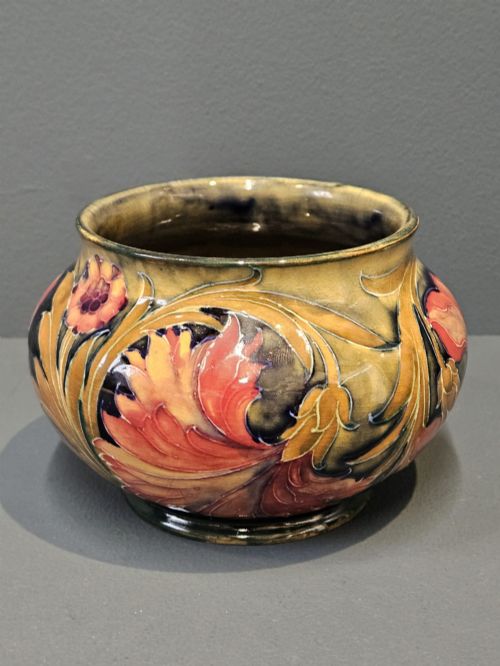
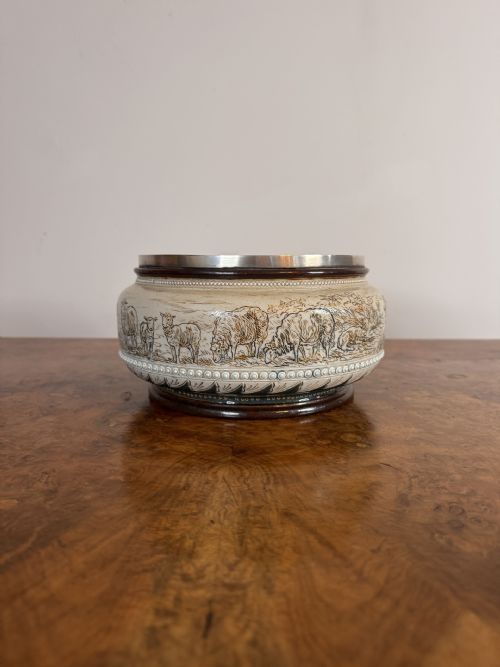
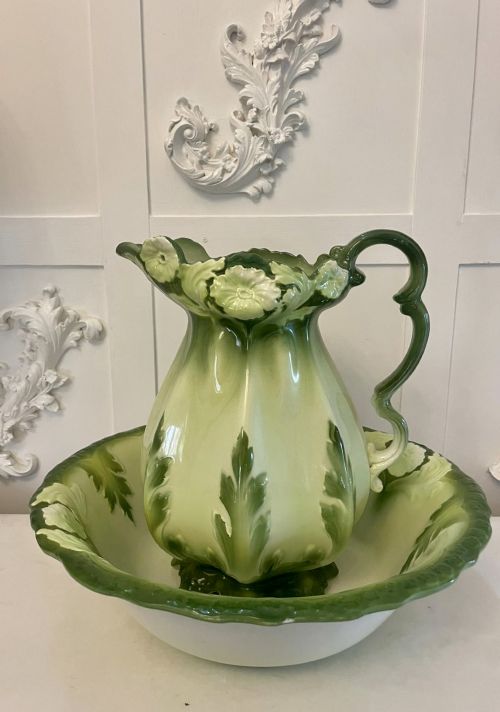
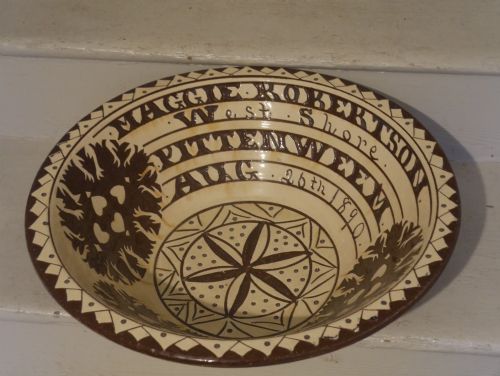
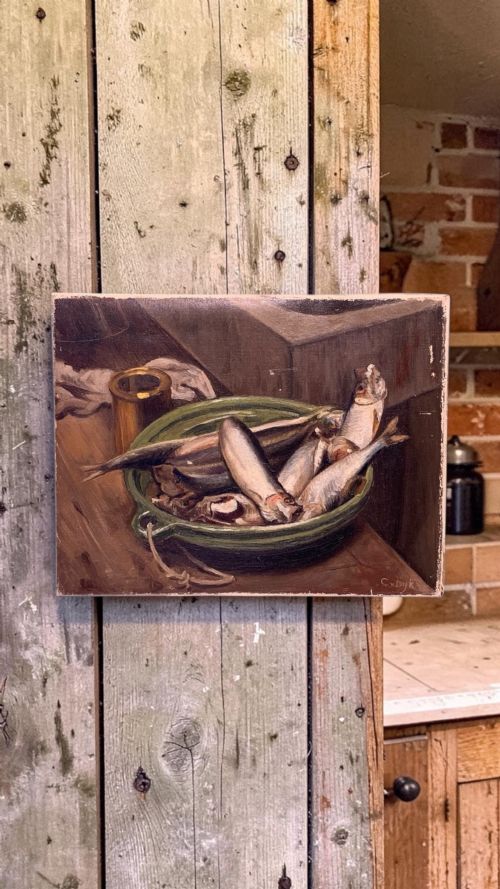
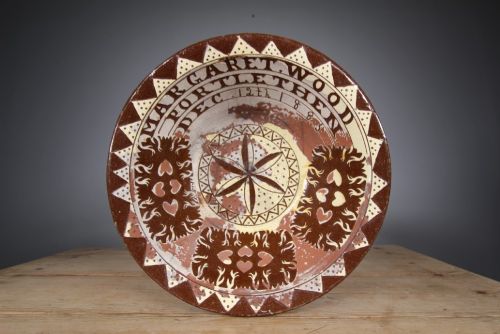
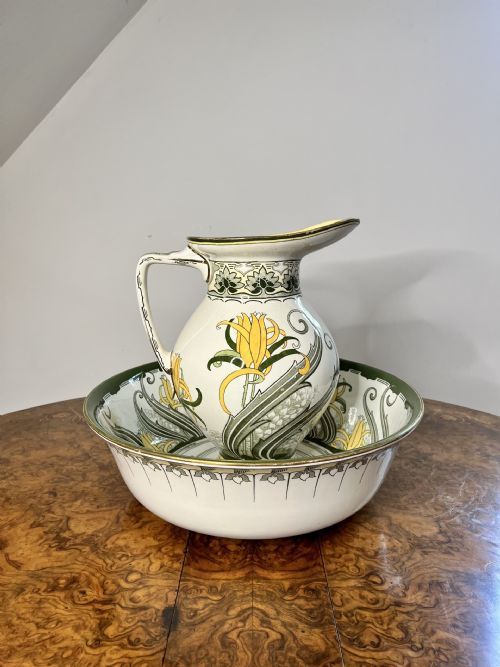
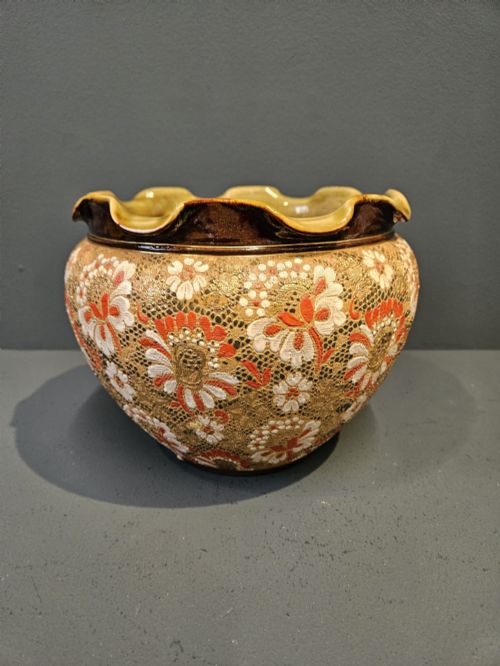
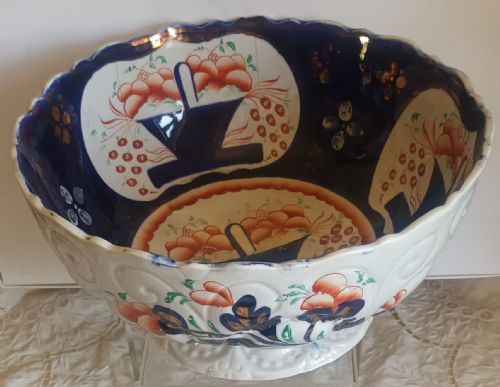
When you search for a ceramic art bowl, you encounter a varied assortment of decorative vessels spanning the eighteenth to the twentieth centuries. The selection includes slipware dairy bowls, porcelain dishes, earthenware fruit bowls, and elaborate lustre wares from periods such as the Edwardian era and the nineteenth century. Makers and potteries from Scotland to Japan contributed to this rich array of forms.
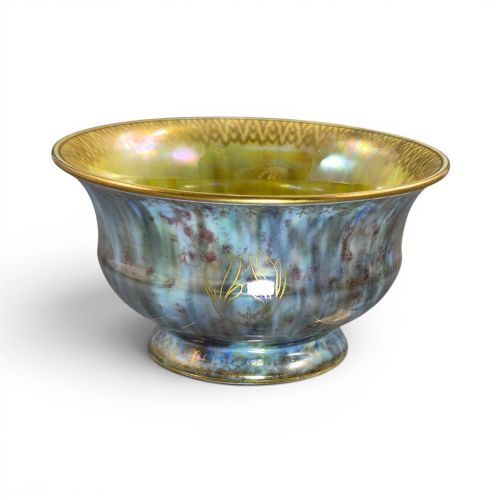
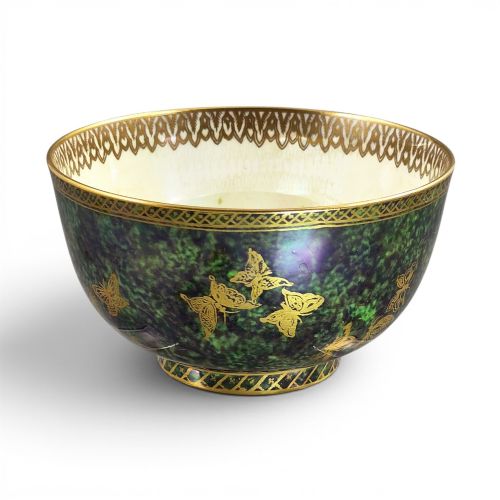
The most common versions met on this page are Edwardian lustre bowls, particularly those designed by Daisy Makeig-Jones for Wedgwood, alongside nineteenth-century Japanese Satsuma bowls and various Chinese porcelain vessels. Alongside these, you find Art Deco powder boxes, Arts and Crafts pedestal bowls, and large earthenware pieces. These objects serve primarily as decorative accents or cabinet pieces rather than functional kitchenware.
How they were made
The makers utilised diverse materials including porcelain, earthenware, stoneware, and bone china, often enhancing the surfaces with glaze, enamel, gold leaf, and lustre glaze. Potters shaped these clays on the wheel or pressed them into moulds before applying intricate painted designs, copper enamelling, or slip decoration. Firing techniques varied widely, from low-temperature earthenware kilns to high-firing porcelain and iron rust-glazed kilns.
Decoration required steady hands and specific chemical processes to achieve distinct visual effects. Lustre glazes depended on metallic oxides fired in reducing atmospheres to produce iridescent sheens, while Satsuma pieces combined fine crackle-glaze earthenware with detailed polychrome enamel and gilt painting. Chinese porcelain dishes often featured underglaze blue or painted enamel-on-copper techniques executed during imperial periods.
Ceramic Art Bowl Retail Price Guide 2026
Typical asking prices for ceramic art bowl among the pieces listed under this phrase on Sellingantiques today, from the lower quarter to the upper quarter. They describe what is for sale here now, not the wider market.
Listings feature ceramics spanning the eighteenth, nineteenth, and twentieth centuries, encompassing porcelain, earthenware, and stoneware.
What varies in quality
Quality in these vessels rests on the precision of the throwing, the clarity of the glaze, and the ambition of the painted or modelled decoration. A top-range piece displays crisp hand-painted details, an even and intentional glaze finish without distracting kiln faults, and a strong artistic attribution such as a signed Japanese Satsuma work or a complex Wedgwood Fairyland Lustre design. Lower-tier examples rely on simpler transfer prints or mass-produced bodies with less distinct brushwork.
The sophistication of the surface finish dictates much of the distinction between ordinary and exceptional items. Rich applications of gold leaf, complex multi-layered enamel work, and deep, shimmering lustre effects elevate a bowl's visual presence. The integrity of the clay body and the finesse of the potting further separate standard utility wares from true studio and art pottery creations.
Seaton Pottery·Doulton Lambeth·Wedgwood·Kinkozan Kyoto·Maling
The Ceramic Art Bowl Glossary
- Lustre Glaze
- A type of pottery glaze that imparts an iridescent metallic sheen through the reduction of metallic oxides during firing. This technique creates a luminous surface that catches the light from different angles.
- Slipware
- Pottery decorated with slip, which is a liquid mixture of clay and water applied to the clay body before firing. Artisans use trailing or sgraffito methods to create contrasting patterns on bowls and dishes.
- Satsuma
- Japanese earthenware pottery originating from Satsuma Province, typically characterised by a ivory-coloured crackle glaze richly decorated with polychrome enamels and gilding. These pieces were heavily exported during the Meiji period.
- Jardinieri
- A large ornamental pot or bowl designed to hold a plant or floral arrangement. They frequently appear in stoneware or ceramic materials with decorative relief moulding.
- Porcelain
- A ceramic material made by heating materials, generally including clay in the form of kaolin, in a kiln to high temperatures. It is known for its strength, translucence, and white body.
Ceramic Art Bowl: Frequently Asked Questions
What is a lustre bowl?
A lustre bowl is a ceramic vessel treated with a metallic glaze that creates a rainbow or iridescent surface effect when exposed to light. These decorative pieces became particularly popular during the early twentieth century.
Wedgwood produced some of the most celebrated examples through designers like Daisy Makeig-Jones, featuring fantastical motifs and rich colour palettes. Collectors prize them for their striking visual depth.
How old are Japanese Satsuma bowls?
Japanese Satsuma bowls found on the antique market frequently date from the late nineteenth century during the Meiji period. They were often produced in Kyoto and Yokohama for export to Western buyers.
These pieces are identifiable by their fine crackled ivory glaze and dense hand-painted enamel designs accented with gold. Signatures on the base often indicate the specific workshop or artist.
What is slipware pottery?
Slipware is pottery decorated by applying liquefied clay to the surface of an unfired or leather-hard clay body before glazing. This technique allows for raised patterns and contrasting colours.
Historical examples, such as nineteenth-century dairy bowls, utilised this method for both decorative appeal and functional durability. The resulting surfaces often feature earthy tones and tactile designs.
Are these bowls suitable for daily use?
Most antique ceramic art bowls function best as display items or decorative centrepieces rather than everyday tableware. Older glazes, delicate enamels, and precious metal highlights can suffer damage from constant washing and use.
Handling them with care preserves their painted surfaces and structural integrity. They add character to sideboards, display cabinets, and open shelving.