

Century Wingback Chair
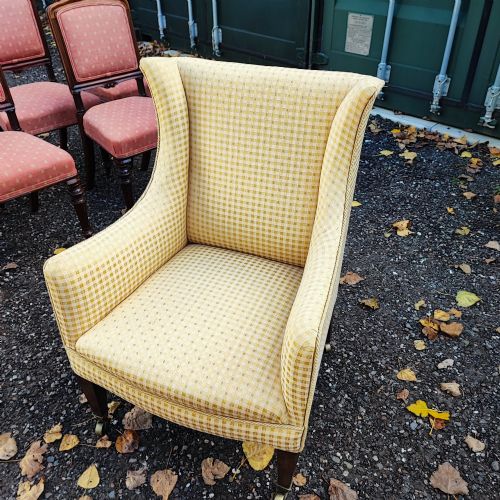
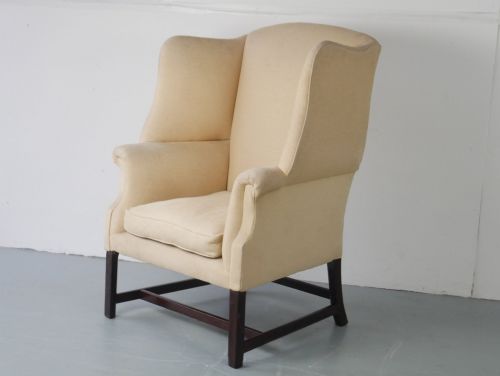
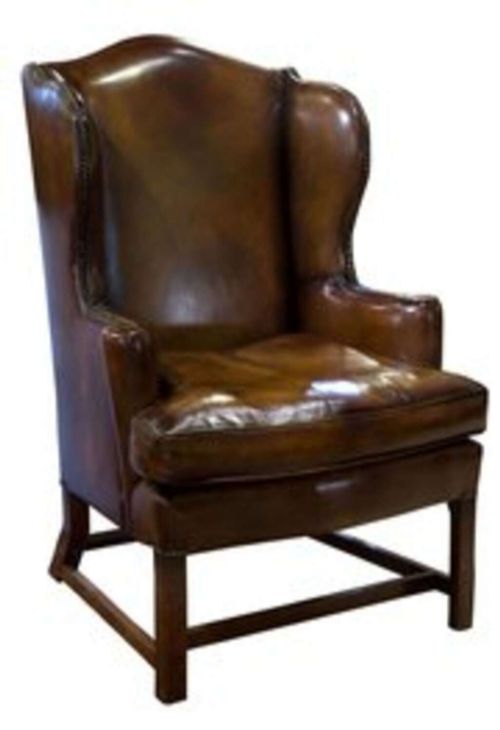
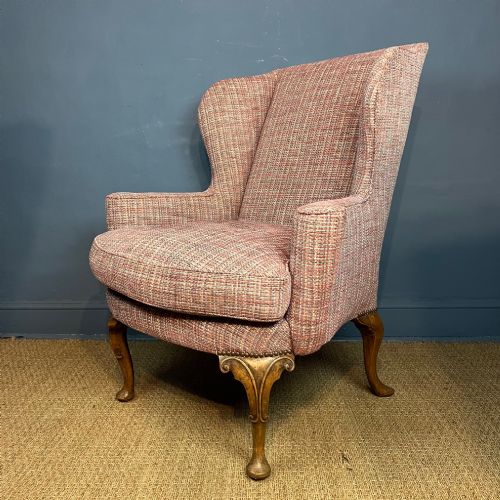
These century wingback chair examples combine draught-excluding sides with deep seats, offering period comfort and traditional upholstery.
Century Wingback Chair
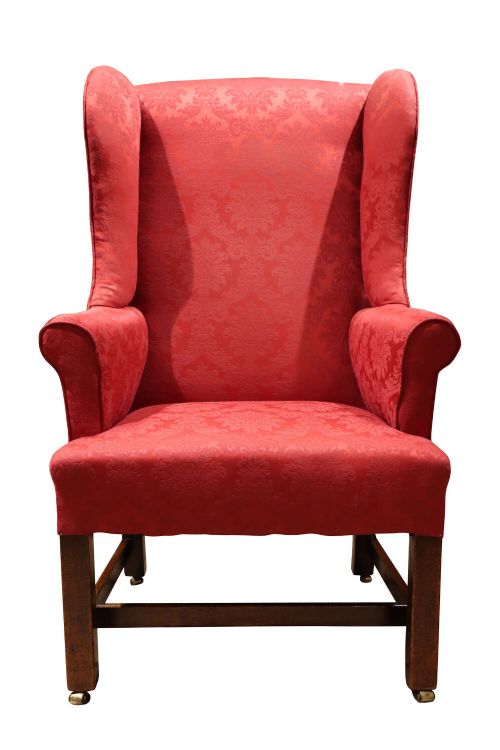
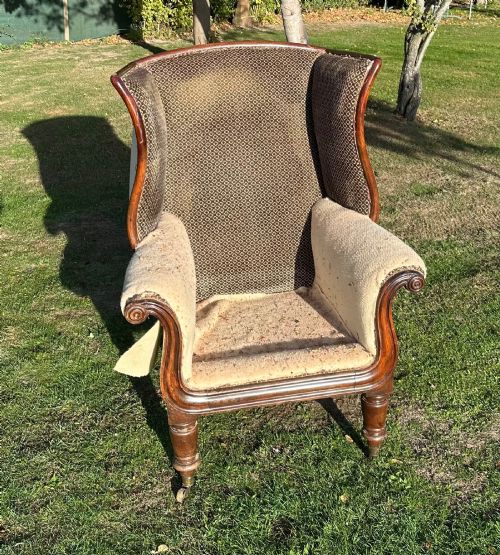
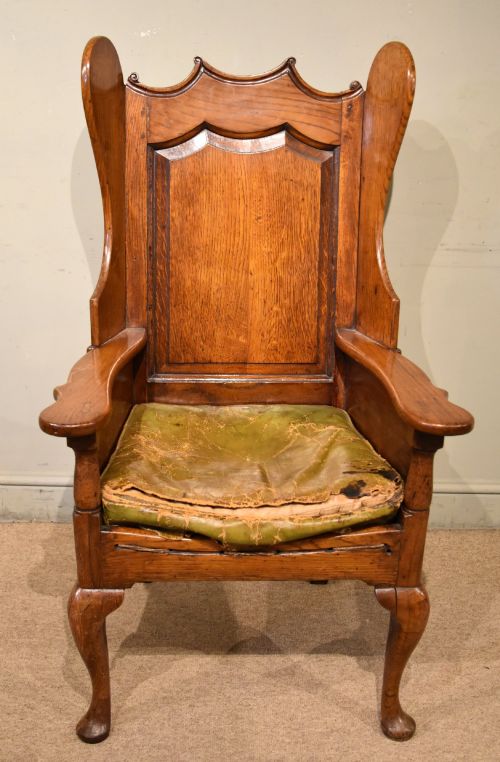
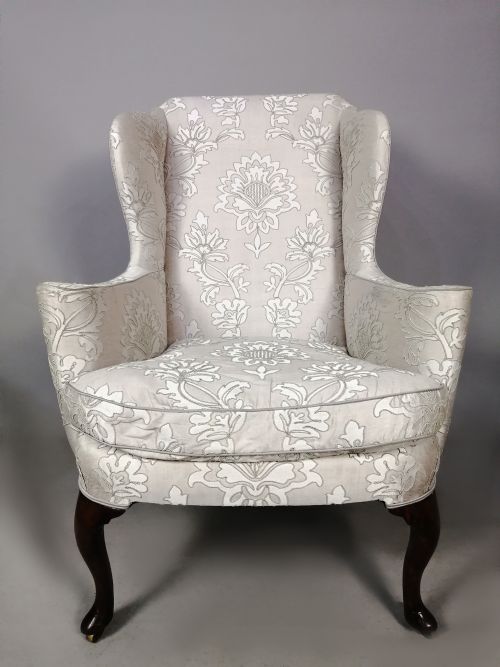
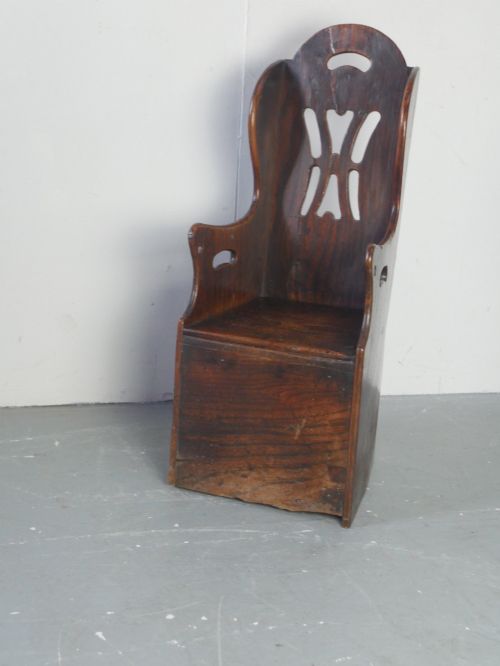
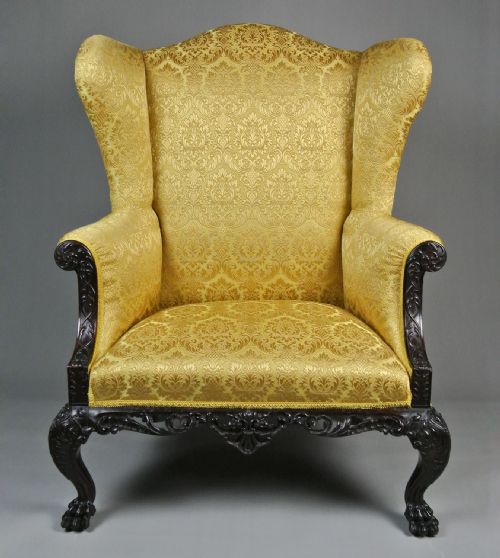
A century wingback chair provides high side panels designed originally to deflect draughts around a seated occupant. The pieces encountered here span 18th century, Georgian, Victorian, and Edwardian periods, appearing predominantly as large armchairs alongside occasional variants.
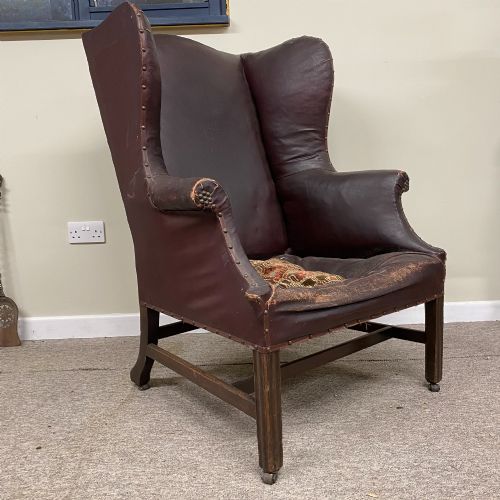
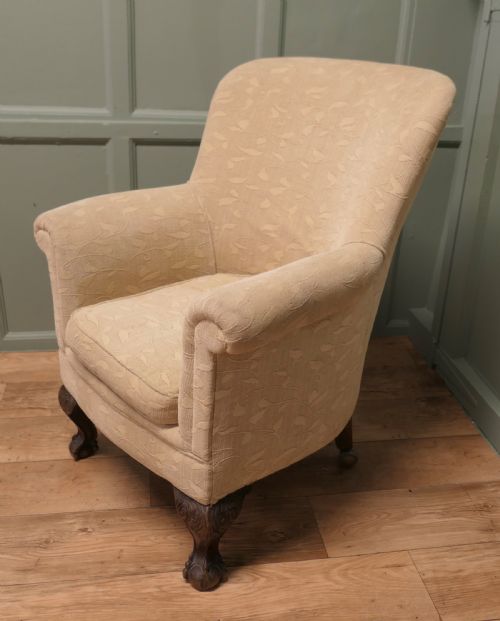
Makers produced these seating forms in mahogany, walnut, and oak, often retaining coverings such as leather, velvet, fabric, hessian, and calico. Structural variations include children's chairs, library chairs, and occasional sofas.
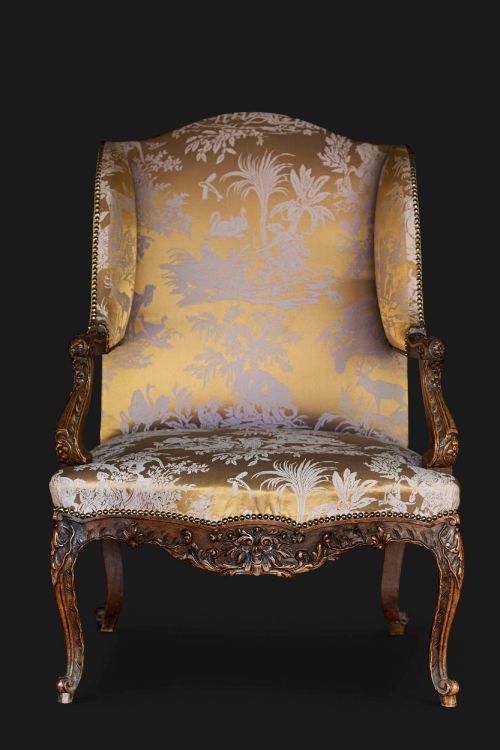
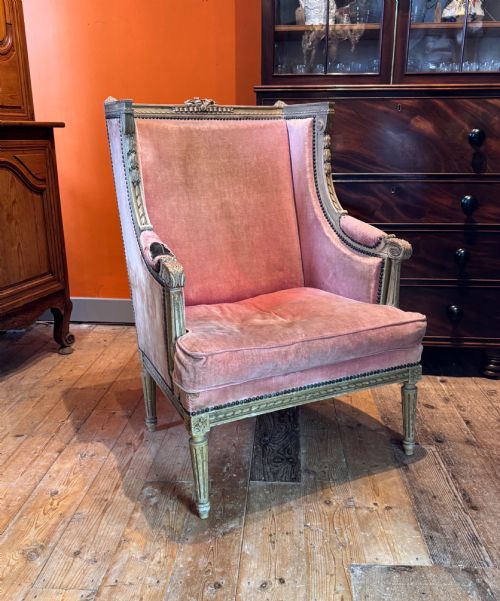
The selection ranges from early Georgian mahogany frames to later revival styles like Queen Anne and Chippendale. Buyers frequently encounter regional English country models alongside French examples.
Materials and construction
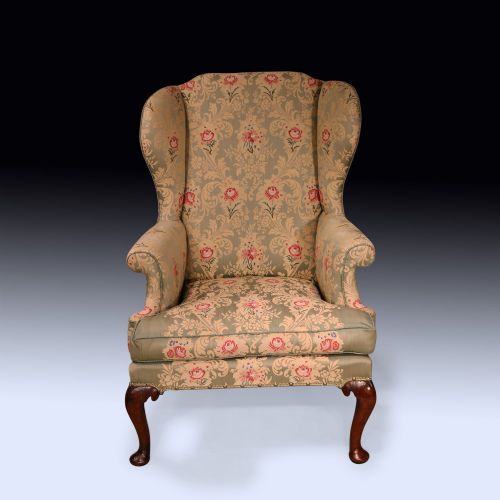
Woodwork relies on solid timber foundations like mahogany, walnut, and oak, shaped into cabriole legs and supportive frames. Joinery methods secure heavy upright backs and protruding side wings to withstand regular sitting.
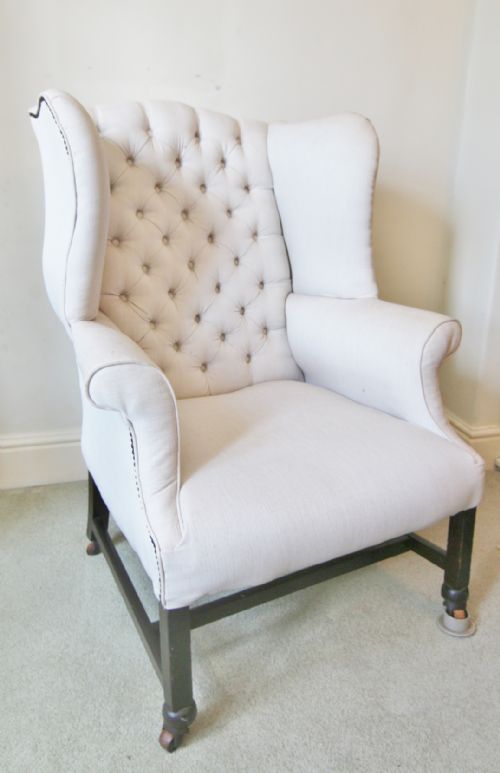
Upholstery incorporates natural stuffing materials held by hessian support layers beneath outer coverings of leather, velvet, chenille, or calico. Brass fixings such as buttoning secure the textile layers tightly to the wooden carcase.
Century Wingback Chair Retail Price Guide 2026
Typical asking prices for century wingback chair among the pieces listed under this phrase on Sellingantiques today, from the lower quarter to the upper quarter. They describe what is for sale here now, not the wider market.
The inventory records functional variations including children's chairs, library armchairs, occasional tub chairs, and fluted sofas.
Factors of quality
The sophistication of timber carving and the integrity of the underlying wooden frame dictate the structural standing of an example. Crisp detailing on cabriole legs separates superior cabinet work from plain utilitarian construction.
The choice and execution of upholstery materials, from supple leather to layered fabric, reflect the original expenditure and subsequent conservation efforts. Original or period-appropriate textiles maintain the historic character of the seating.
The Century Wingback Chair Glossary
- Wingback
- An armchair featuring protective side panels attached to the arms and back to block cold air. These panels evolved to trap heat from fireplaces.
- Cabriole
- A furniture leg curving outward at the knee and tapering inward toward the foot. This shape derives from animal limbs and typifies Georgian seating design.
- Mahogany
- A durable tropical hardwood utilised extensively for high-grade furniture framing. Its dense grain allows for sharp carved details.
- Hessian
- A coarse woven fabric utilised as a foundational support layer beneath upholstery stuffing. It provides structural tension for the seat and back springs.
- Buttoning
- A method of securing upholstery padding by pulling twine through the fabric to form indented geometric patterns. This technique keeps internal stuffing evenly distributed.
Century Wingback Chair: Frequently Asked Questions
What is a wingback chair?
A wingback chair is a large seat equipped with side panels designed to shield the head and torso from draughts. These panels also served to trap radiant heat from open fires.
Craftsmen built these chairs with sturdy timber frames and deep padding to provide sustained comfort. The form remains a staple of traditional interior seating.
How do I identify a Georgian wing chair?
Georgian examples typically feature mahogany or walnut frames with characteristic cabriole legs and precise carved details. The proportions prioritize generous seating space enclosed by sweeping wings.
Earlier pieces from this era display simpler lines, while later variations incorporate elaborate revival motifs. Examining the timber grain and joinery helps determine the period.
Where were these chairs placed originally?
Occupants positioned these chairs close to fireplaces in living rooms, libraries, and drawing rooms to benefit from the draught-excluding wings. The high sides created a microclimate around the seated person.
They also served as reading chairs due to the enclosed posture they encouraged. Country houses and urban residences alike utilised them in primary reception spaces.
Are these chairs suitable for daily use?
These pieces function well for daily seating provided the internal support and upholstery remain sound. Many survive in robust condition thanks to solid hardwood frames.
Buyers often select them for studies or sitting rooms where traditional comfort is required. Regular care of the leather or fabric preserves the historic surface.