

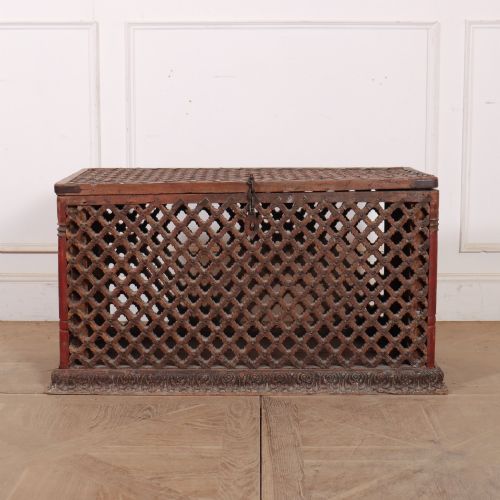
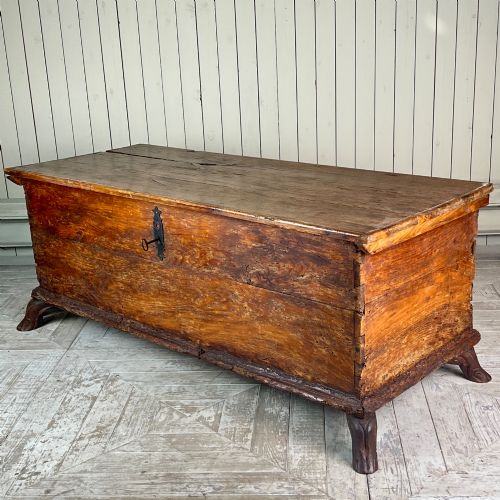
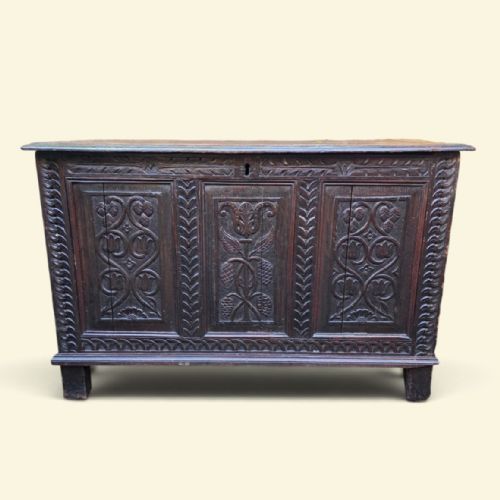
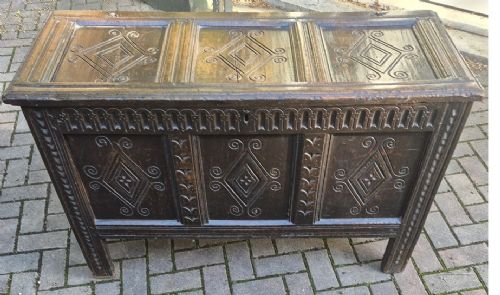
Century Blanket Box
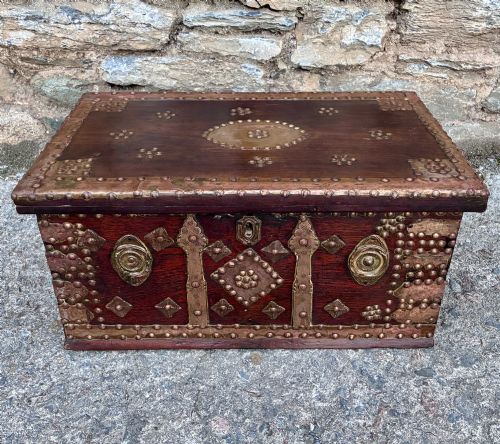
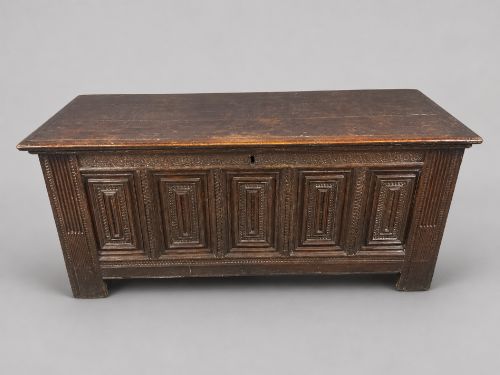
A century blanket box provides sturdy storage with historic character, ranging from robust oak coffers to brass-bound camphor wood trunks.
Century Blanket Box
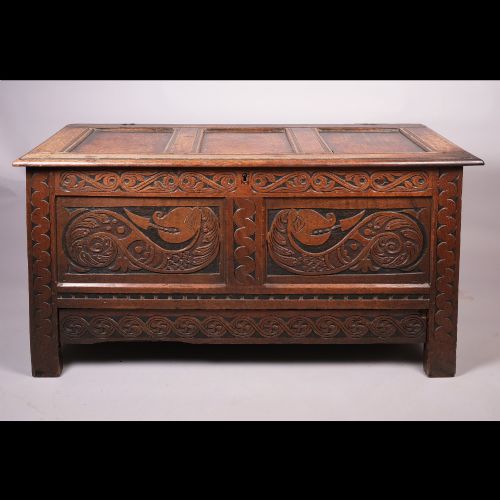
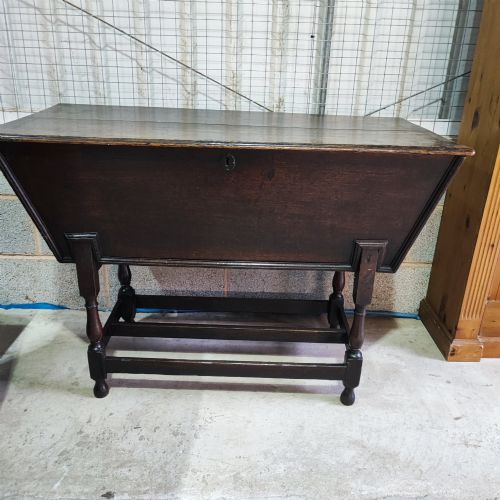
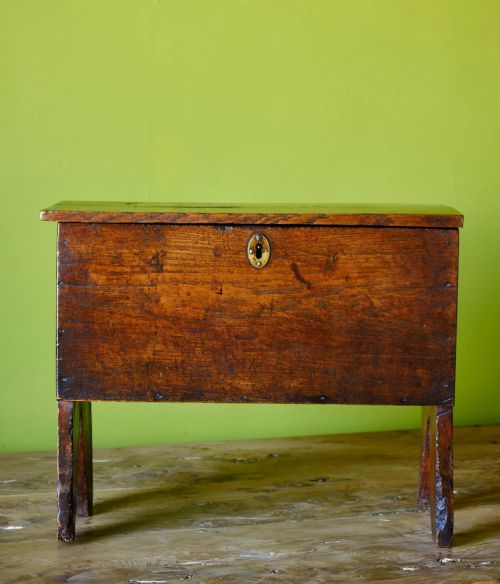
A century blanket box encompasses practical storage vessels built across several eras, serving households for linens, garments, and valuables. Buyers exploring this category encounter a diverse mix of forms, from early joined oak coffers to later travel trunks.
The material palette shifts according to the period and origin, with heavy native timbers dominating the earlier centuries and exotic woods appearing in later global trade. Pine, mahogany, camphor wood, and elm all shape the domestic utility of these pieces.
Regional styles introduce distinct regional personalities, spanning Welsh coffer bach formats, Chinese export camphor chests, and rustic pine blanket boxes. These variations reflect the specific workshop traditions and domestic requirements of their respective eras.
Evaluating quality and construction
Superior examples display thoughtful proportion, careful timber selection, and clean hand-carved ornamentation that harmonises with the structural frame. Lesser pieces rely on heavier, utilitarian assemblies with minimal decorative refinement.
The integrity of original hinges, locks, and internal till boxes distinguishes pieces that retain their complete functional history from those altered by later repairs or replacement hardware.
Century Blanket Box Retail Price Guide 2026
Typical asking prices for century blanket box among the pieces listed under this phrase on Sellingantiques today, from the lower quarter to the upper quarter. They describe what is for sale here now, not the wider market.
Listings in this category span multiple centuries, incorporating materials from native British oak and pine to exotic camphor wood, mahogany, and iron.
The Century Blanket Box Glossary
- Coffer
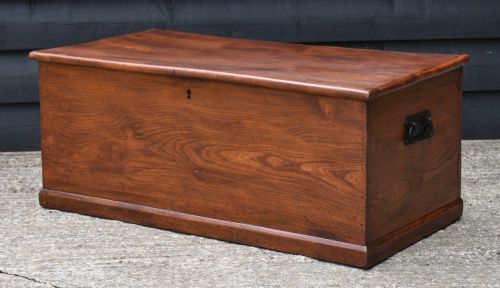
- A large wooden chest traditionally used for storing valuables, linens, or documents. These sturdy boxes often feature hinged lids and heavy boarded construction.
- Mule chest
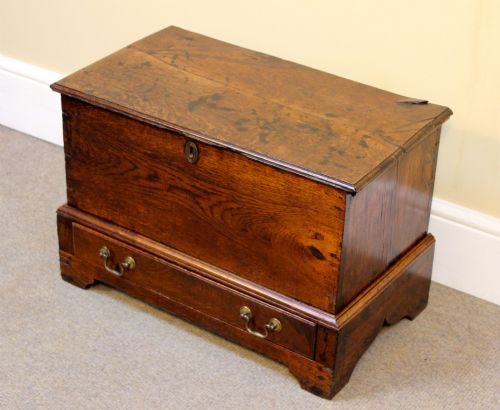
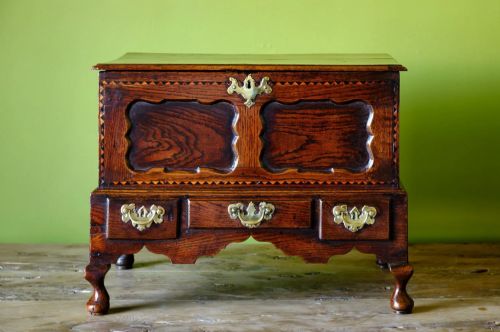
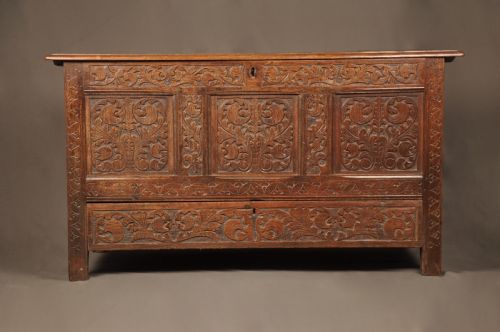
- A storage chest fitted with one or more drawers beneath the main compartment. This hybrid form bridges the gap between traditional coffers and modern chests of drawers.
- Camphor wood
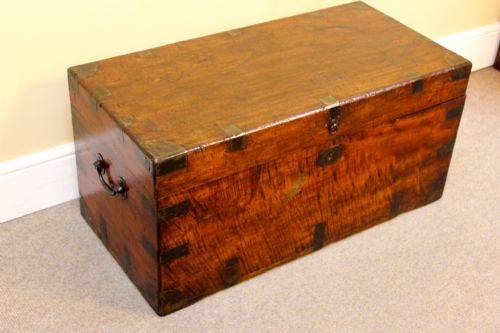
- An aromatic timber utilised extensively for export trunks and campaign chests. Its natural fragrance helped protect stored textiles from insects during long sea voyages.
- Bible box
- A small tabletop or desk box historically designed to house sacred texts or writing equipment. They frequently incorporate sloping lids or internal compartments.
- Planked construction
- A method of joining thick boards edge-to-edge or end-to-end to form the walls of early chests. This technique predates complex framed and panelled cabinetry.
Century Blanket Box: Frequently Asked Questions
What is a century blanket box used for?
These versatile chests served historic households as secure receptacles for heavy woolen blankets, winter garments, and household linens. Their solid lids also allowed them to function as impromptu seating benches or tables in modest rooms.
Today, modern owners deploy them at the foot of beds or in living areas to conceal bulky items while adding historical texture to an interior.
How do I tell an oak coffer's age?
Dating relies on examining the construction marks, timber shrinkage, and joinery methods visible across the piece. Hand-cut peg joints, hand-planed surfaces, and forged iron hardware typically point toward earlier centuries of manufacture.
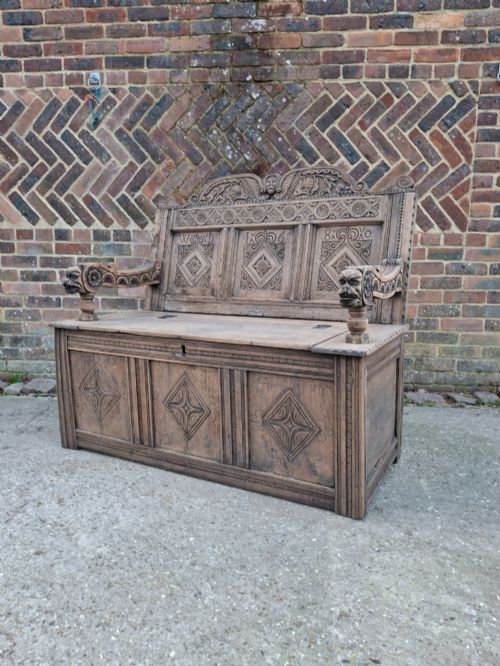
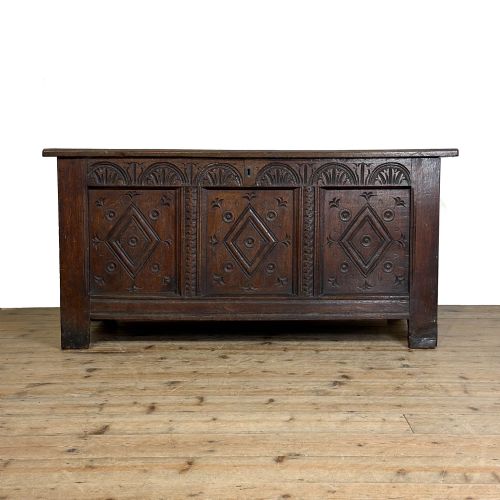
Stylistic carvings, such as geometric panels or linenfold motifs, further anchor a box to specific periods like the seventeenth or eighteenth century.
Why are some trunks lined in camphor wood?
Camphor wood was favoured for maritime and export trunks due to its natural aromatic properties. The strong scent acted as a natural deterrent against moths and dampness during extended sea journeys.
This practical feature made camphor chests particularly prized for storing delicate textiles and garments over long periods.
Are mule chests different from standard coffers?
A mule chest distinguishes itself from a standard coffer by incorporating one or more functional drawers beneath the primary upper storage well. This addition allowed easier access to smaller garments without requiring the user to lift the main lid.
Cabinetmakers introduced this layout during the seventeenth and eighteenth centuries to improve the daily utility of traditional storage chests.