



Centrepiece Serving Tray
These centrepiece serving tray examples span Georgian timber through to Art Deco silver plate, bringing period elegance directly to the dining table.
Centrepiece Serving Tray
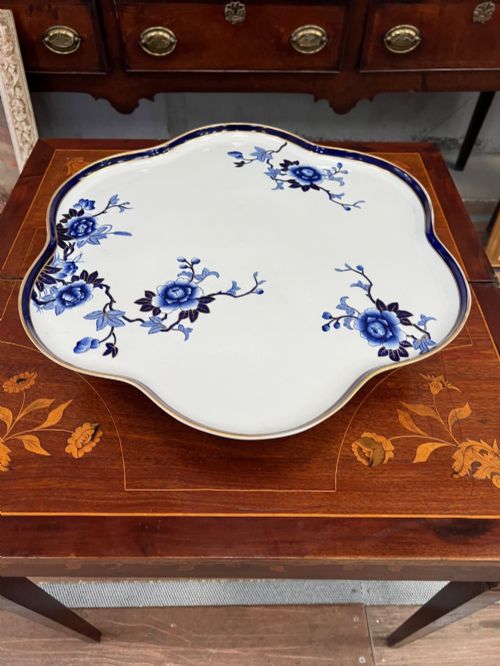
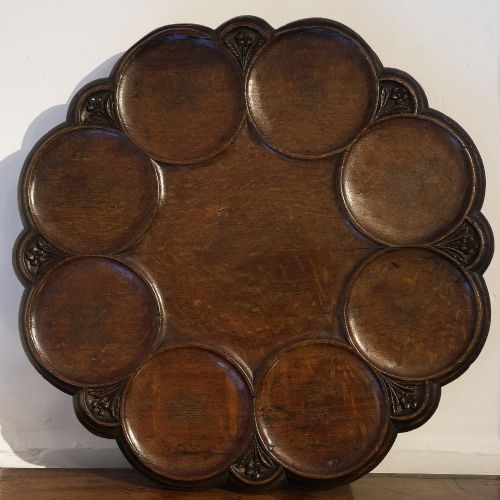
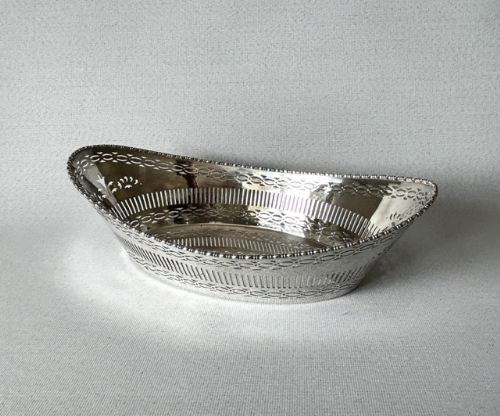
A centrepiece serving tray brings functional display to the dining table, encompassing forms from revolving lazy susans and bread baskets to partitioned entrée dishes and platters. When searching for a centrepiece serving tray, buyers encounter diverse expressions ranging from heavy mahogany cheese coasters and oak turntables to intricate silver-plated baskets and porcelain supper sets. Victorian, Edwardian, and Art Deco periods dominate the selection, showing how dining rituals evolved from large mahogany service pieces towards silver-plated wirework and hammered pewter.
The materials reflect domestic utility across the nineteenth and early twentieth centuries, pairing dense hardwoods like oak and mahogany with bright metals including sterling silver, EPNS, and nickel silver. Alongside metal and timber, cut glass and porcelain dishes provide contrasting textures for fruit, bread, or supper courses. Most pieces combine a foundational tray or revolving mechanism with decorative mounts, pierced rims, or engraved floral motifs suited for formal presentation.
How They Were Made
Silversmiths and manufacturers utilised techniques such as electroplating over nickel silver, hand-hammering pewter, and piercing solid sterling silver sheets to create ornate baskets and platters. Makers employed floral engraving and cast borders to enrich silver-plated and solid silver items, maintaining strict standards across Sheffield and London assay offices.
Woodworkers turned dense oak and mahogany on lathes to build revolving lazy susans and cheese coasters, often incorporating central pivots for smooth rotation at the table. Potters and glassmakers shaped porcelain and cut glass inserts, marrying ceramic bodies with timber frames or metal mounts to form complete serving arrangements.
Centrepiece Serving Tray Retail Price Guide 2026
Typical asking prices for centrepiece serving tray among the pieces listed under this phrase on Sellingantiques today, from the lower quarter to the upper quarter. They describe what is for sale here now, not the wider market.
Listings span eight distinct decades and periods, incorporating both British and French makers working in silver, oak, and porcelain.
What Varies in Quality
Quality rests upon the weight of the metal and the crispness of the workmanship, separating substantial sterling silver and heavy timber constructions from lighter plated alternatives. Superior examples display deep, clear hallmarks or maker stamps, alongside well-executed hand-chased engraving rather than shallow machine stamping.
The integrity of the mechanism dictates the standard for revolving pieces and complex multi-dish sets, where smooth movement and tight joints denote superior carpentry or metalwork. Preservation of original glass liners, intact silver plating without base metal telegraphing, and uncompromised structural stability elevate individual pieces.
Mappin & Webb·Walker & Hall·John Hunt·Chamberlain’s Worcester·Liberty & Co.·Martin Hall·Brille, Paris·Coalport
The Centrepiece Serving Tray Glossary
- EPNS
- Electroplated Nickel Silver, a common base metal method used for durable tableware during the Victorian and Edwardian eras. It provided the appearance of solid silver at a lower production cost.
- Lazy Susan
- A revolving tray placed on a dining table or sideboard to assist in moving food easily between guests. Early versions utilised solid oak or mahogany construction.
- Entrée Dish
- A covered serving container designed to hold specific courses during formal multi-course meals. These often feature removable handles and matched warming bases.
- Hallmark
- Official stamps applied to precious metal items indicating the metal purity, assay office, and year of manufacture. Sterling silver pieces carry these marks to verify authenticity.
- Pierced work
- A decorative technique involving cutting or piercing patterns through sheet metal. This method appears frequently on silver baskets and dishes to create lightweight, ornamental borders.
Centrepiece Serving Tray: Frequently Asked Questions
How do I use a lazy susan?
Place the revolving tray in the centre of the dining table to hold condiments, sauces, or shared dishes during meals. Guests simply spin the wooden platform to access items without passing dishes across the table.
Ensure the central pivot remains clean and dry to maintain smooth rotation. Avoid submerging wooden turntables in water during cleaning.
What is an entrée dish used for?
These covered vessels kept individual portions or side dishes warm before serving them at the dining table. The lids helped retain heat and protected food between courses.
Today, they serve well for presenting vegetables, breads, or hot canapés during dinner parties. Many designs allow the base to double as a separate shallow platter.
How do I clean silver-plated trays?
Wash silver plate gently using warm water and mild washing-up liquid with a soft cloth. Dry the surface thoroughly immediately afterwards to prevent water spots.
Refrain from using abrasive cleaning pastes that can wear away the thin silver layer over the base metal. Store pieces in dry conditions to slow down natural tarnishing.
How do I date an antique tray?
Examine the base or rim for maker stamps, registry numbers, or silver hallmarks that link directly to specific assay years. The style of engraving and construction methods also offer clues to the period of origin.
Consult records of registered silversmiths and pottery marks to narrow down the decade of production. Combining hallmark evidence with material types yields the most accurate dating.