



Central Asian Hanging
A central asian hanging brings nomadic or tribal textile art into a room through rich embroidery, striking geometry and historic regional craft.
Central Asian Hanging
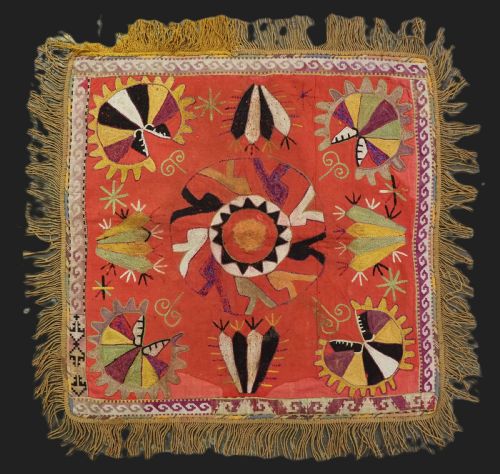
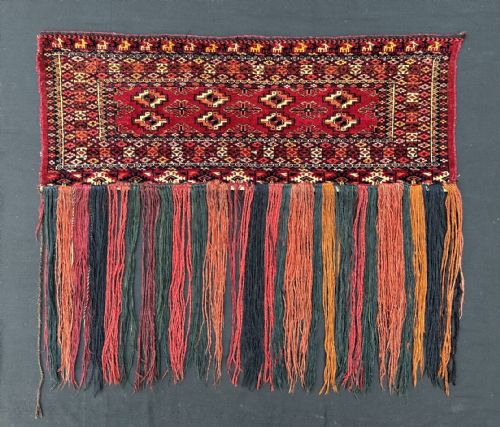
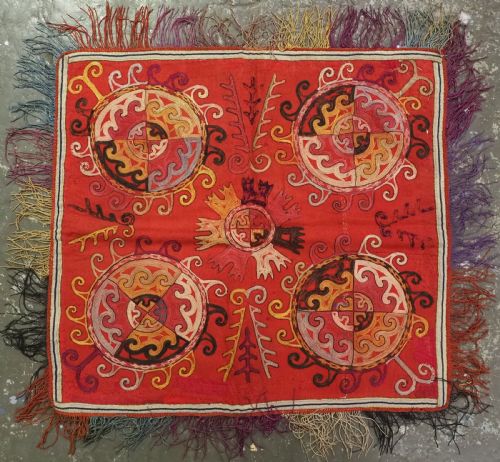
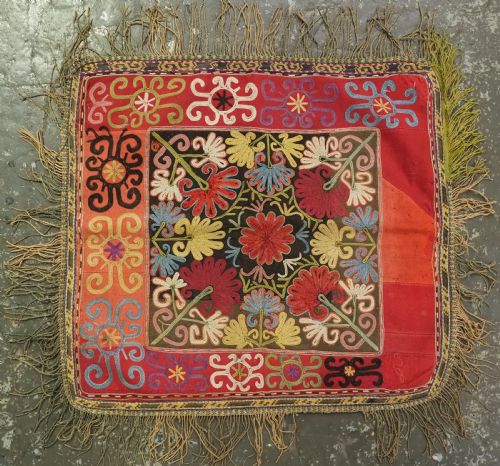
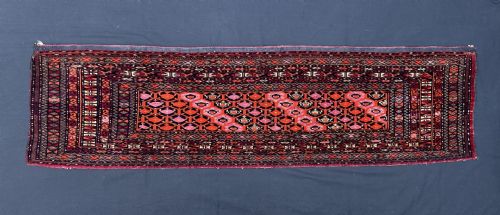
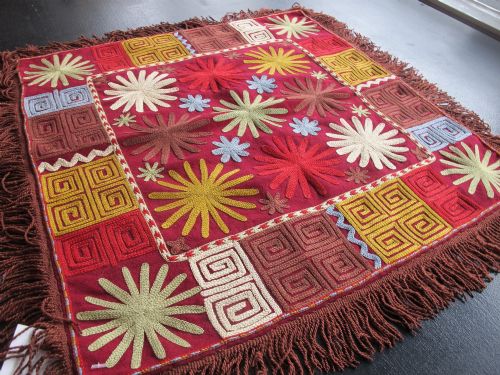
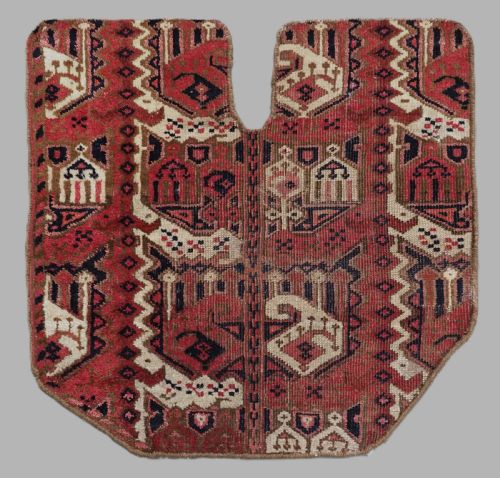
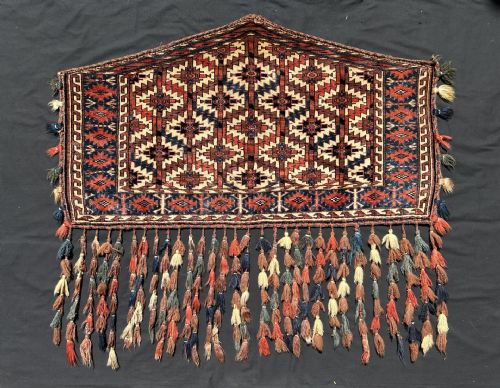
A central asian hanging encompasses traditional dowry embroideries, tribal bags, and ceremonial covers originating from nineteenth and early twentieth-century communities. Buyers searching this phrase typically encounter Suzanis, Lakaiilgich pieces, and Turkmen tribal trappings created for domestic use or ceremonial display.
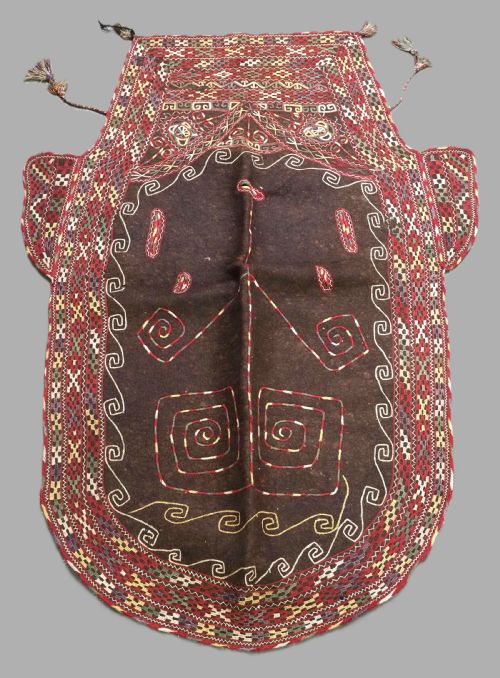
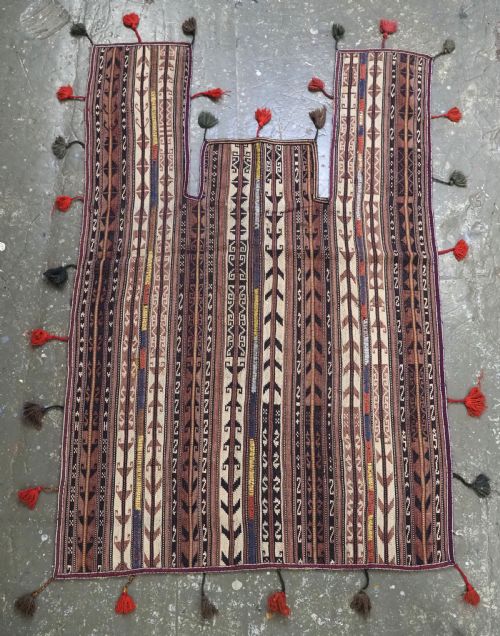
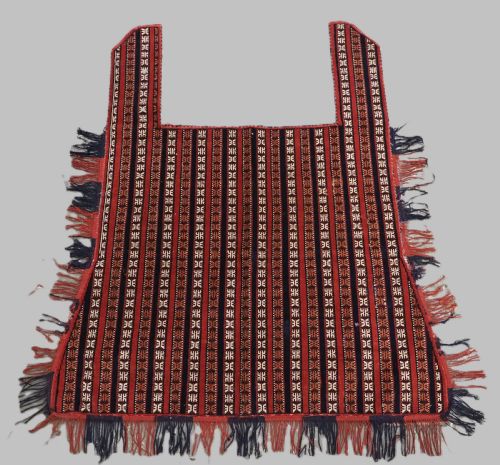
The selection ranges from intricate silk-on-silk bed covers and architectural design Suzanis to felted wool horse blankets and saddle covers. Yomut, Tekke, Ersari, and Lakai tribal groups dominate the geographic origins, reflecting distinct nomadic and settled traditions across Uzbekistan and Turkmenistan.
Materials and construction
Artisans constructed these textiles using hand-spun wool, cotton, and silk foundations decorated with silk or cotton thread embroidery. Many pieces incorporate felted wool as a sturdy base material, particularly for items designed for heavy use or ceremonial horse trappings.
Makers relied on natural dyes to colour the threads, producing deep, enduring hues that define the visual character of the region. Stitching techniques vary from fine needlework in silk embroideries to robust looping and flat-weaving methods found on tribal bags and covers.
Central Asian Hanging Retail Price Guide 2026
Typical asking prices for central asian hanging among the pieces listed under this phrase on Sellingantiques today, from the lower quarter to the upper quarter. They describe what is for sale here now, not the wider market.
Materials recorded across current inventory include wool, silk, cotton, natural dyes, and felted wool.
Distinctions in execution
Quality rests in the precision of the needlework, the complexity of the design layout, and the integrity of the natural dyes. Superior examples display tight, even stitching and a harmonious balance of colour across the primary field and borders.
The choice of materials also signals grade, with finely spun silk threads and well-preserved foundational structures marking the more accomplished pieces. Completeness of original elements, such as tassels or backing fabrics, further separates standard examples from exceptional survivals.
The Central Asian Hanging Glossary
- Suzani
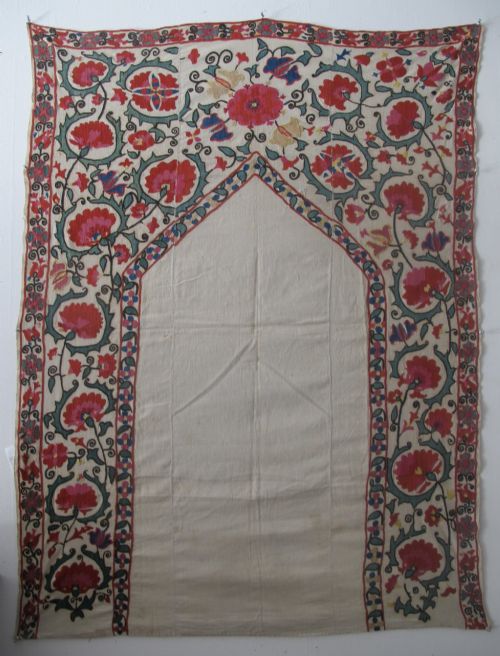
- An embroidered textile from Uzbekistan, traditionally stitched in silk on a cotton or silk ground as part of a bride's dowry. These large panels often feature floral or architectural motifs.
- Ilgich
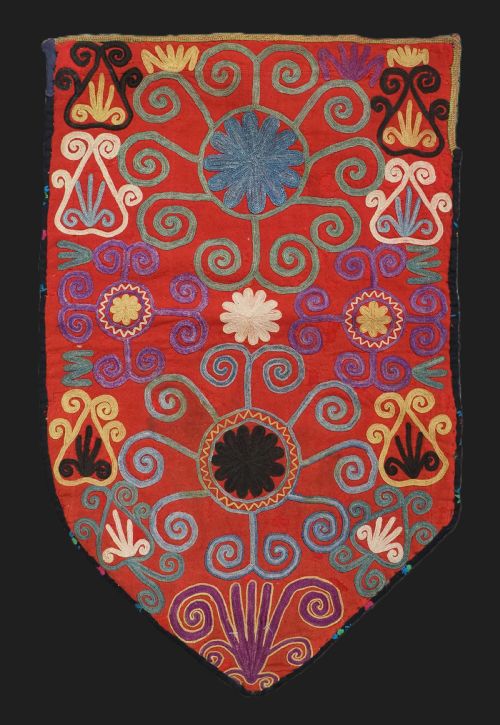
- A specific type of Uzbek Lakai tribal embroidery typically used as a wall hanging or dowry piece. They are recognised by dynamic geometric shapes and energetic compositions.
- Gul
- A medallion or primary motif repeated across Turkmen carpets and tribal trappings. Each tribal group typically utilised distinct variations of these octagonal or geometric patterns.
- Asmalyk
- A ceremonial camel or horse trapping produced by Yomut and other Turkmen tribes for wedding processions. These pentagonal hangings were mounted on the flanks of animals.
- Torba
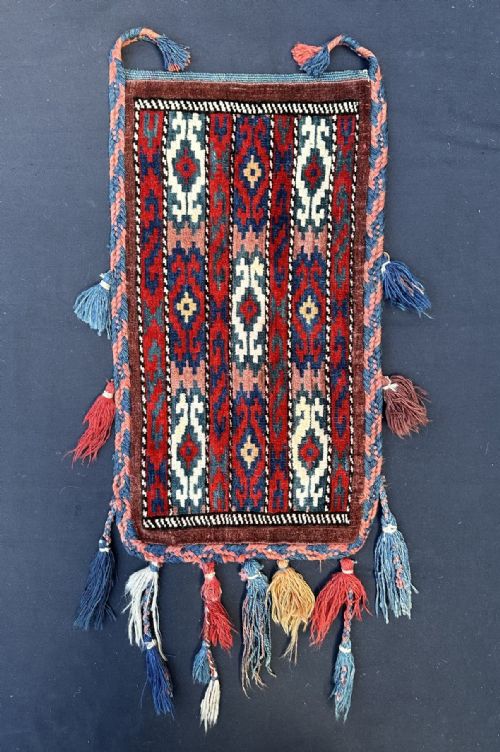
- A small storage bag woven or embroidered by Turkmen tribes for use inside a yurt. They display characteristic tribal guls and border patterns.
Central Asian Hanging: Frequently Asked Questions
How were hanging textiles used?
Communities utilised these textiles as decorative wall panels, dowry furnishings, bed covers, and ceremonial furnishings within nomadic tents and settled homes. Many items served functional roles in daily life or marked significant life events such as weddings.
Over time, families displayed them to signal status and heritage, preserving intricate needlework traditions across generations.
How do I hang a textile safely?
Mounting requires weight distribution across the entire top edge to prevent stress on historic fibres and stitches. Conservation-grade Velcro or a custom-sewn cotton sleeve provides secure support without piercing the fabric.
Keep pieces away from direct sunlight and heat sources to protect natural dyes from fading over the years.
What is a Suzani?
A Suzani is a large embroidered wall hanging or bed cover originating from nineteenth-century Uzbekistan. Artisans worked in silk thread on cotton or linen foundations, often stitching panels together after completion.
Designs typically incorporate bold floral medallions, vines, and architectural elements derived from local gardens and architecture.
How are different tribes identified?
Tribal attribution relies on specific design motifs, colour palettes, and structural techniques unique to groups such as the Yomut, Tekke, Ersari, and Lakai. Distinctive gul patterns and embroidery styles act as visual signatures for particular regions and communities.
Comparing border structures and material choices helps clarify the geographic origin of each piece.