


Celeste Blue Porcelain
Celeste blue porcelain pieces are rich turquoise-tinted ceramic works mounted in ormolu and gilt bronze, prized for their vibrant French decorative presence.
Celeste Blue Porcelain
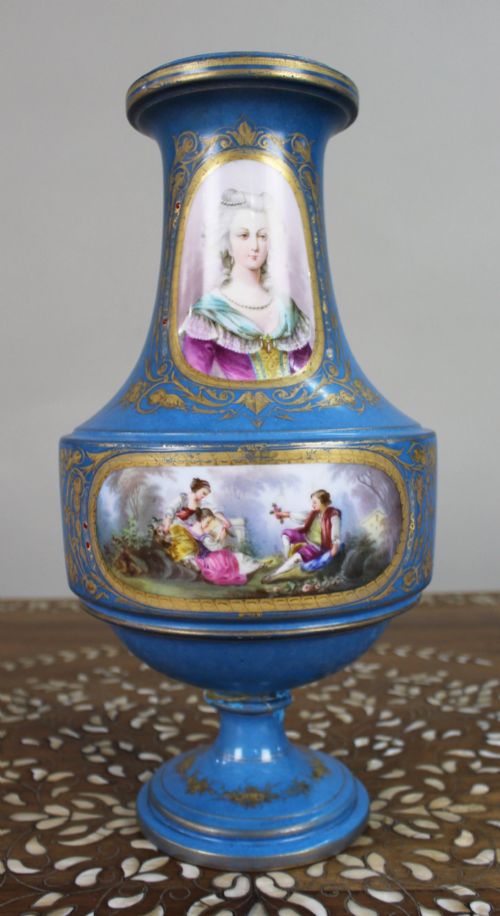
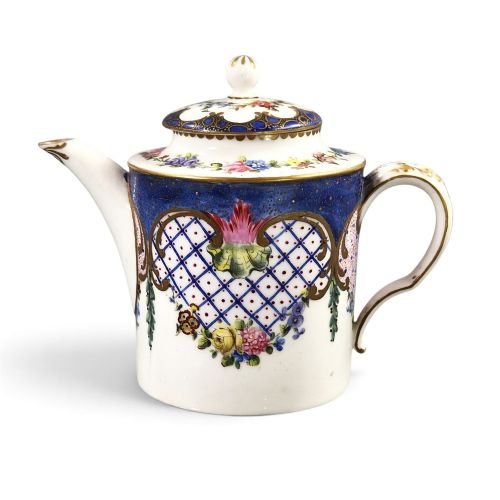
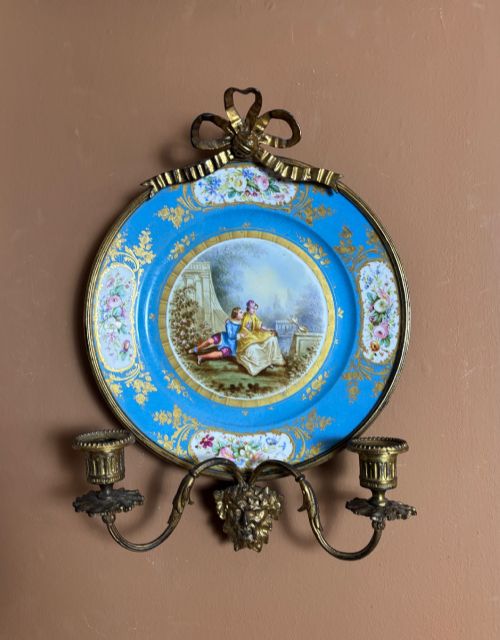
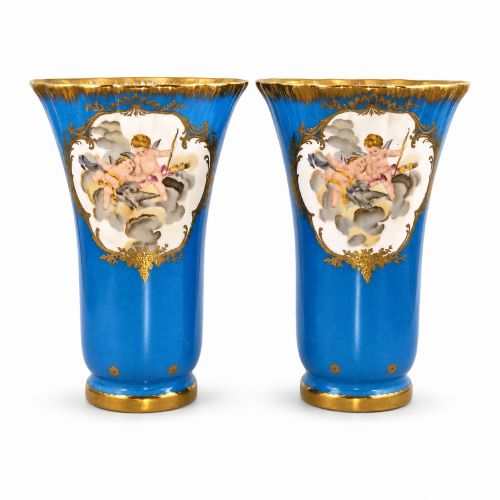
Celeste blue porcelain items encompass decorative vases, urns, wall sconces, mantel clocks, table lamps, teapots, and jewellery caskets spanning the eighteenth and nineteenth centuries. The turquoise ground colour, known as bleu céleste, derives from historic French aesthetic traditions associated with Sèvres and the Rococo Revival style.
Buyers meet nineteenth-century French pieces most frequently, particularly items produced in the Sèvres style during the Second Empire and Napoleon III periods. These domestic objects combine porcelain bodies with elaborate metal mounts, serving both ornamental and functional roles in period interiors.
Quality Factors
Quality separates through the crispness of the bronze casting and the precision of the hand-painted enamel decoration upon the porcelain surface. Finer works display deeply chased ormolu mounts with sharp botanical or scroll motifs rather than soft, mass-produced detailing.
The intensity and evenness of the celeste blue ground colour indicate technical skill during the kiln firing process. Superior examples integrate the porcelain body and metal mounts harmoniously without awkward gaps or inferior alloy discoloration.
Listings feature eighteenth and nineteenth-century porcelain, ormolu, enamel, and soft-paste ceramic items spanning the Rococo Revival, Second Empire, and Louis XV styles.
Miroy Frères·Jean Baptiste Delettrez·Samson Paris
The Celeste Blue Porcelain Glossary
- Bleu céleste
- A bright turquoise-blue ceramic ground colour developed at the Sèvres factory. This vivid hue became a defining characteristic of French royal porcelain production.
- Ormolu
- Gilded bronze or brass used for mounts on decorative objects. This technique involves applying a gold amalgam to a bronze base and heating it to drive off the mercury.
- Soft-paste porcelain
- A glassy ceramic composition fired at lower temperatures than hard-paste porcelain. It possesses a warm texture and was widely utilised in eighteenth-century French pottery.
- Rococo Revival
- A nineteenth-century design movement mimicking the asymmetrical scrolls and natural motifs of the mid-eighteenth century. This style dominates the aesthetic of nineteenth-century French porcelain mounts and shapes.
- Litron
- A straight-sided cylindrical porcelain teacup shape popular in eighteenth-century France. The form typically pairs with matching saucers and teapots from the same service.
Celeste Blue Porcelain: Frequently Asked Questions
What is celeste blue porcelain?
Celeste blue porcelain refers to ceramic items finished in a distinctive bright turquoise glaze originating from French royal manufacturing traditions. The colour mimics the sky-blue ground developed in the eighteenth century.
These pieces often feature hand-painted pastoral scenes framed by elaborate gilt bronze or ormolu mounts. The style experienced a massive revival across nineteenth-century France.
How do I identify a Sèvres style piece?
Sèvres style pieces typically combine turquoise porcelain grounds with fine hand-painted portraits or Watteau scenes. They frequently incorporate heavy cast ormolu mounts in the French Rococo Revival taste.
Many nineteenth-century items adopt the visual language of earlier royal workshops without being produced in the original royal factory. Look closely at the quality of the gilding and the precision of the painted details.
Were these objects used or purely decorative?
Most celeste blue porcelain items served decorative and functional purposes in nineteenth-century drawing rooms and boudoirs. Vases, urns, and comports displayed floral arrangements or stood alone as status markers.
Clocks, wall sconces, and jewellery caskets combined utility with lavish ornamentation. They were designed to catch the candlelight and impress visitors in wealthy domestic interiors.
How do I care for ormolu mounted porcelain?
Maintain ormolu mounted porcelain by dusting gently with a dry, soft cloth to prevent particulate accumulation on the gilt surfaces. Avoid liquid cleaners, chemical polishes, or abrasive cloths that can strip the gold leaf from the bronze mounts.
Keep pieces away from direct sunlight and damp environments to protect the fragile enamel work and the integrity of the ceramic body.