

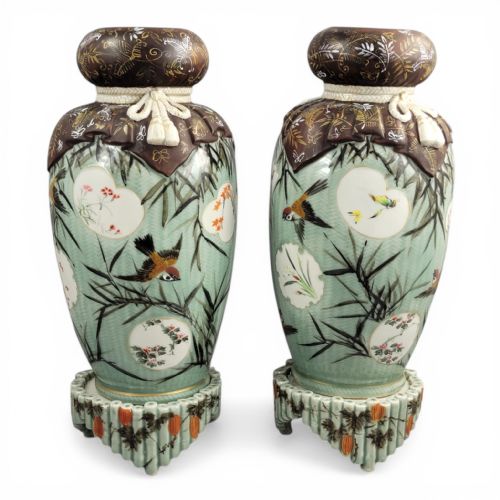


Celadon Green Porcelain
These celadon green porcelain pieces combine subtle jade-toned glazes with forms ranging from ancient censers to French lamps.
Celadon Green Porcelain
When you search for celadon green porcelain, you encounter items shaped by centuries of Asian and European craftsmanship. The selection spans robust vessel types including bowls, dishes, incense burners, and bottles, alongside refined European adaptations fitted as table lamps.
Vessels originating from Chinese kilns sit alongside French 19th-century mounts and English table wares. This mix demonstrates how potters across eras utilised the distinctive green glaze to unify diverse utilitarian and decorative forms.
Materials and construction
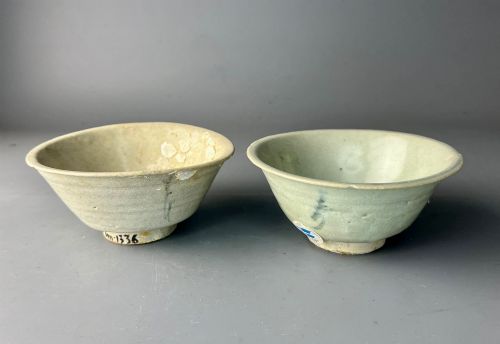
The foundation rests on ceramic bodies coated in specialised iron-bearing glazes that develop characteristic jade and sea-green hues during reduction firing. Potters frequently shaped these through throwing or moulding, sometimes adding delicate incised floral scrolls or twin fish motifs directly into the clay body before glazing.
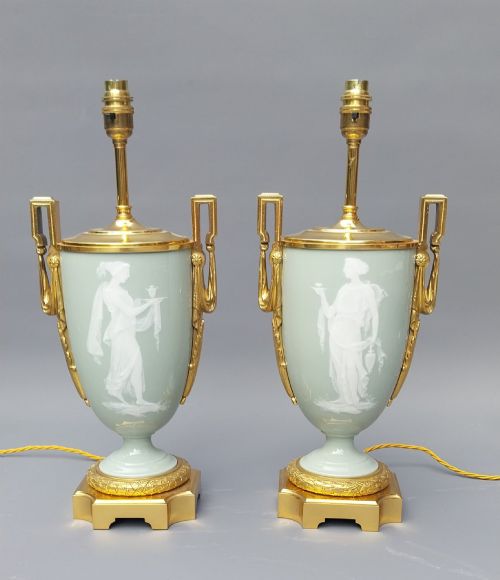
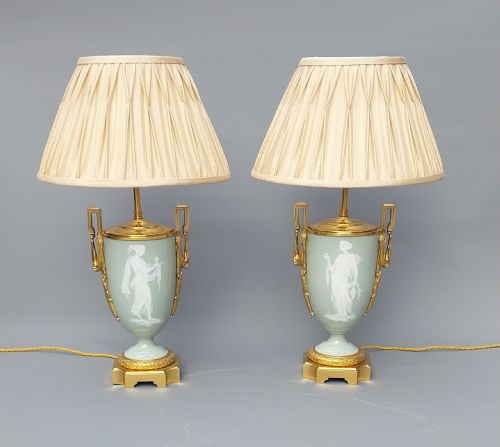
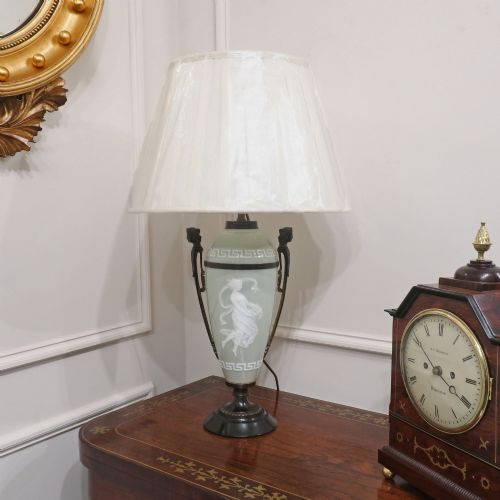
Later European interpretations incorporate elaborate gilt bronze mounts secured to the porcelain bodies, particularly on items transformed into lamps. English and French workshops also employed pâte-sur-pâte techniques, building up white slip layers over coloured grounds to create figural decoration.
Celadon Green Porcelain Retail Price Guide 2026
Typical asking prices for celadon green porcelain among the pieces listed under this phrase on Sellingantiques today, from the lower quarter to the upper quarter. They describe what is for sale here now, not the wider market.
The listings span multiple centuries, uniting 16th-century Longquan celadon dishes with 19th-century French porcelain lamps and English factory wares.
Assessing quality
Excellence in these pieces depends upon the purity and depth of the glaze application alongside the crispness of any moulded or carved detail. Superior examples display an even, translucent tone that mimics genuine jade, free from heavy pooling or jarring surface interruptions.
The integration of secondary materials defines the higher tier of European works, where fire-gilded bronze mounts fit the ceramic contours precisely. In older Asian ceramics, the refinement of the foot rim and the control of the kiln atmosphere reveal the potter's mastery.
MAKUZU KOZAN·Kato Sanhei·Minton
The Celadon Green Porcelain Glossary
- Celadon glaze
- A transparent green glaze containing iron oxide that fires in a reducing atmosphere to produce subtle shades of sea-green, olive, and grey-green. This finish forms the primary unifying characteristic across the varied dates and origins represented here.
- Pâte-sur-pâte
- A ceramic decoration method where liquid white porcelain slip is painted layer by layer onto a darker body to build up low relief designs. French makers utilised this technique extensively on lamps and decorative figures.
- Longquan
- A prominent ceramic production centre in China known for creating thick, jade-like green glazed stonewares and porcelains over multiple dynasties. Pieces from this tradition often feature carved lotus petals or foliate rims.
- Archaistic
- A design approach that consciously emulates the shapes, patterns, or patinas of ancient ritual bronzes. Makers applied these classical motifs to later censers and vases to impart a sense of historical gravitas.
- Gilt bronze
- Metalwork finished with a fine layer of gold amalgam, frequently utilised for French mounts on porcelain lamps and compotes. This material adds structural support and decorative contrast to the green glazed bodies.
Celadon Green Porcelain: Frequently Asked Questions
What is celadon green porcelain?
Celadon green porcelain refers to ceramic items finished with a characteristic iron-based glaze that produces subtle green, grey, or olive tones during the firing process. The technique originated in Asia and influenced later European ceramic production.
Items range from early carved bowls to nineteenth-century decorative wares and adapted table lamps, all united by this distinctive translucent finish.
How do I date a celadon piece?
Dating relies upon examining the potting style, the specific shade and texture of the glaze, and any associated marks or mounts. Chinese pieces often align with dynastic traditions like the Song or Ming periods, showing characteristic foot rims and carved motifs.
European interpretations typically display nineteenth-century manufacturing traits, such as French gilt bronze mounts or English factory marks from makers like Minton.
Were these items used daily?
Many early forms served utilitarian or ritual purposes, such as censers used for burning incense or bowls and dishes meant for food and display. Over time, European buyers repurposed many of these durable vessels into decorative lamps or mantel ornaments.
This shift in function preserved fragile porcelain bodies by transitioning them from active service into static interior displays.
How should I clean my porcelain?
Cleaning requires gentle care using a soft, dry cloth to remove dust from the glazed surface and any intricate carved details. Avoid harsh chemical cleaners or abrasive materials that might scratch the glaze or damage metallic mounts.
For pieces mounted as lamps, ensure the object remains unplugged and keep moisture away from any electrical components during routine maintenance.