

Caucasian Woven Rug
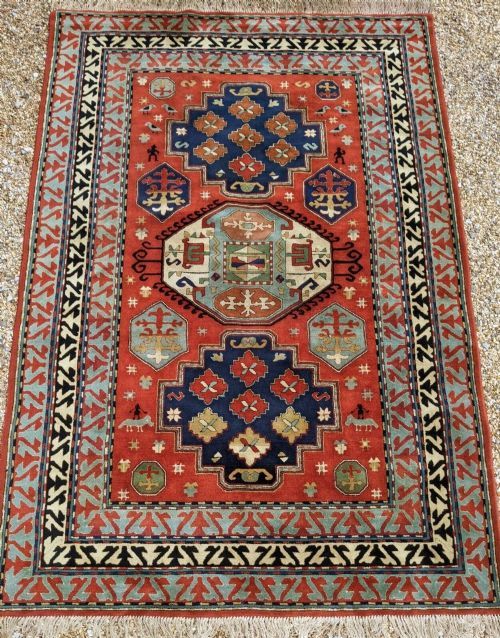
A caucasian woven rug brings geometric designs and rich natural dyes from mountain regions directly onto the floor.
Caucasian Woven Rug
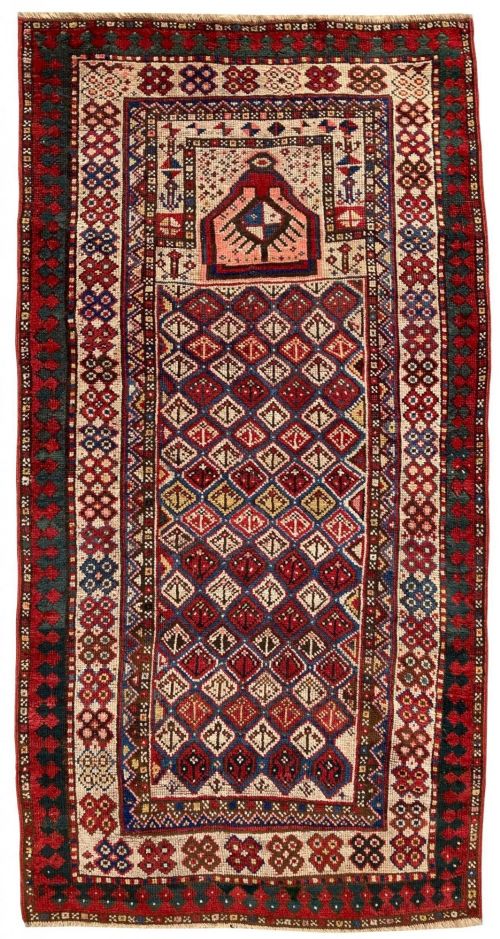
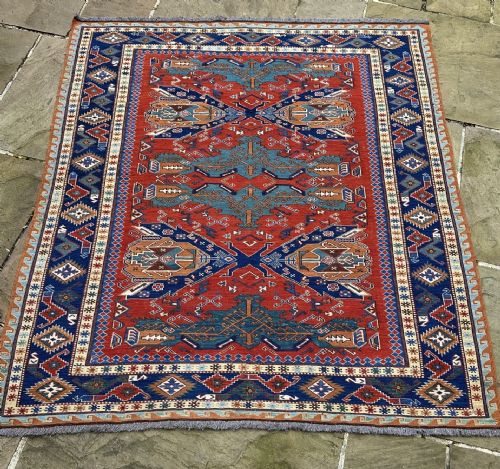
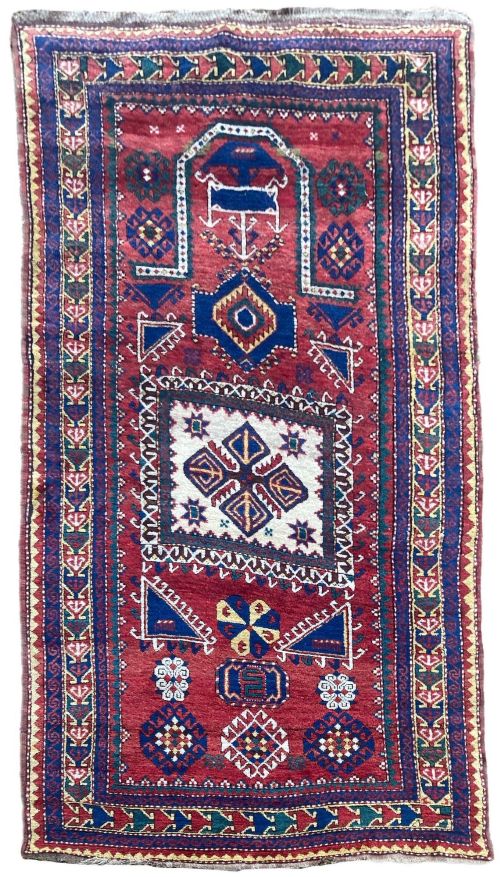
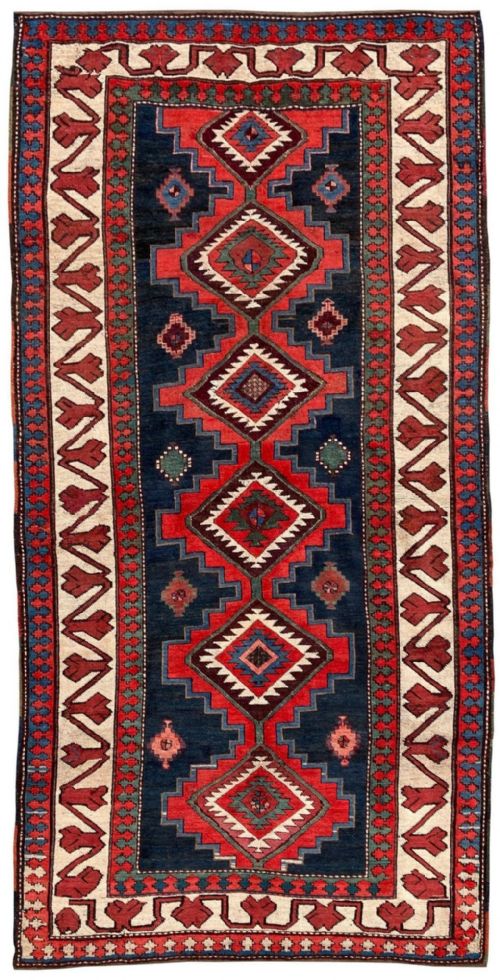
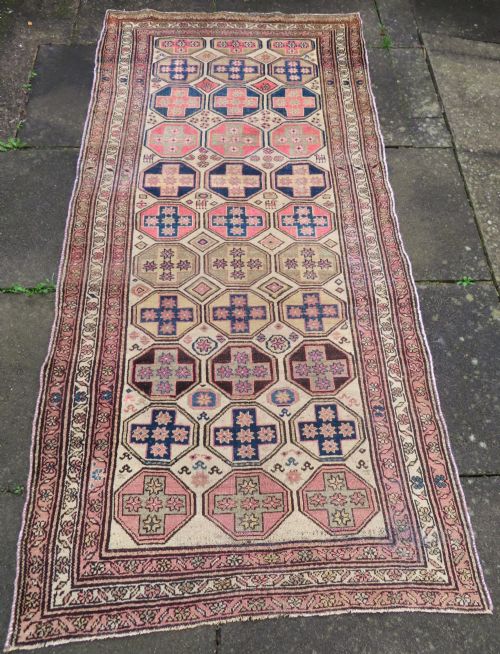
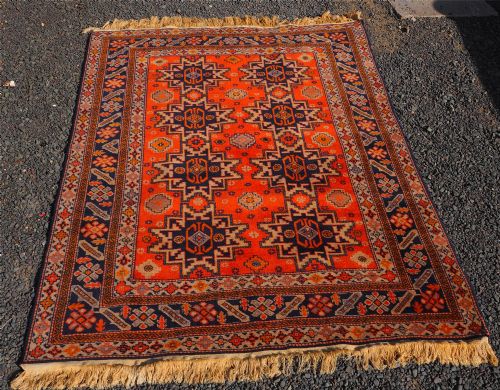
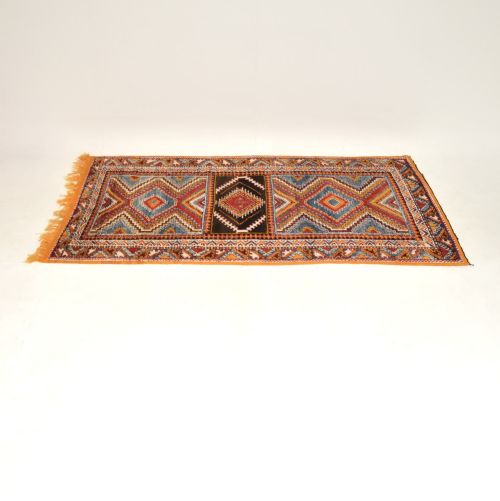
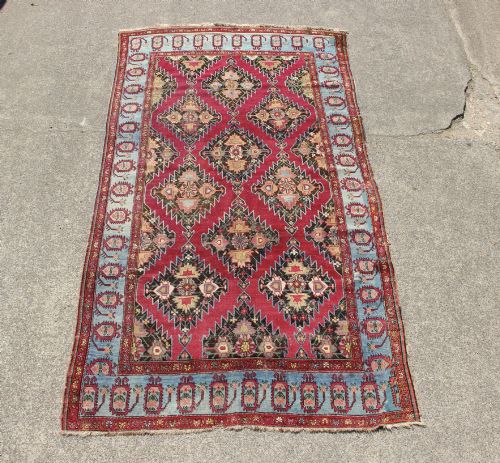
A caucasian woven rug spans nomadic and village carpets originating from mountainous weaving centres, often categorised under tribal and traditional styles. These pieces arrive in various formats including long runners, compact prayer rugs, and flat-woven kilims created across the nineteenth and early twentieth centuries.
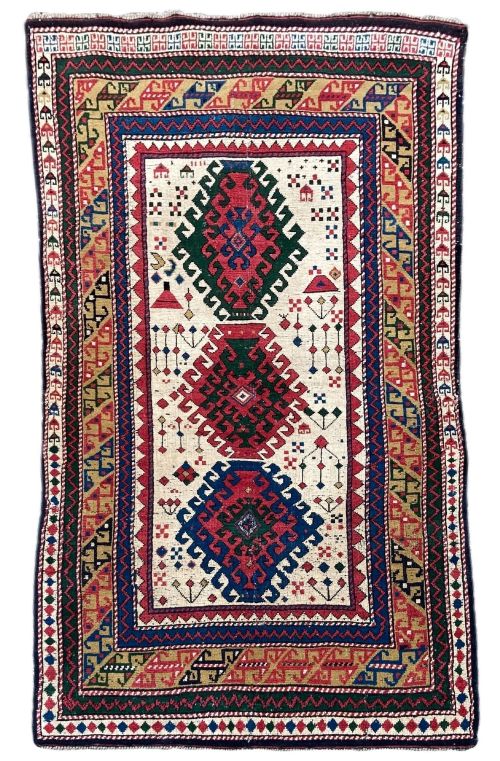
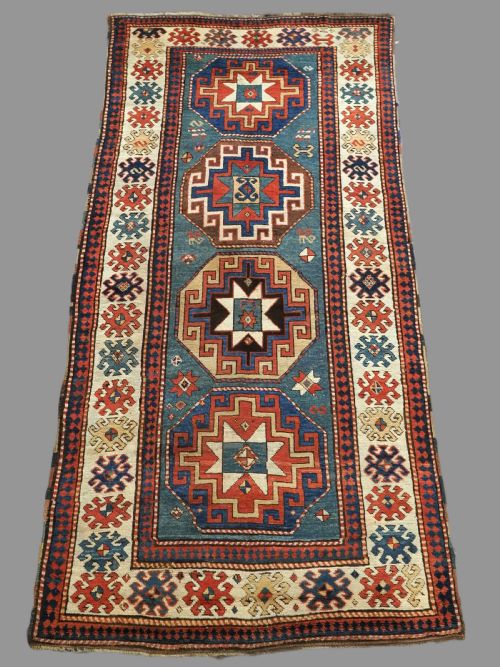
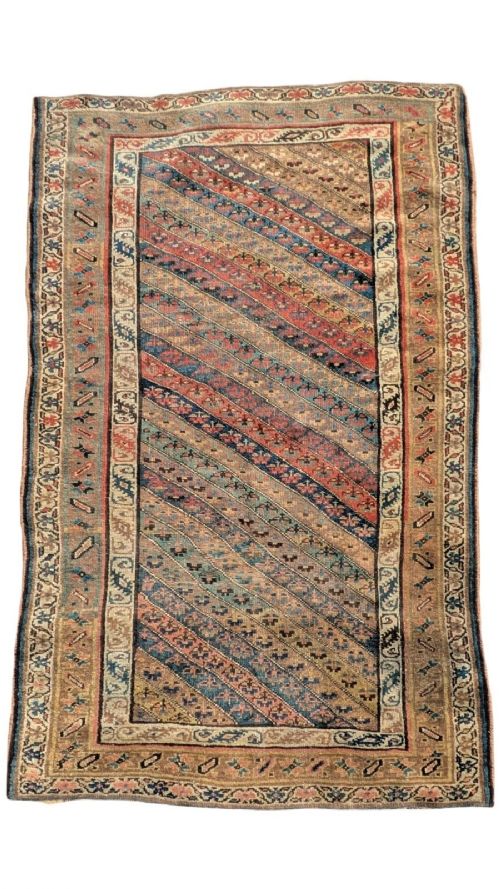
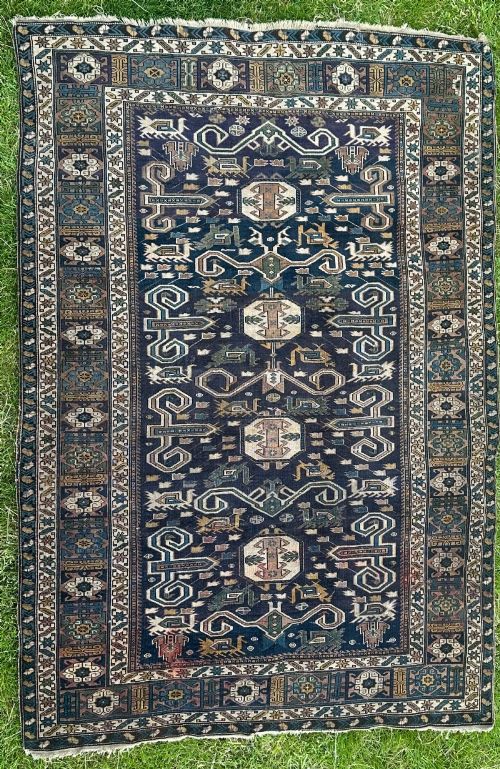
Most examples met on this page date between the late nineteenth century and the early decades of the twentieth century, reflecting regional identities such as Kazak, Gendje, Karabagh, and Shirvan. The distinct motifs range from bold medallions and geometric animal figures to banded field designs.
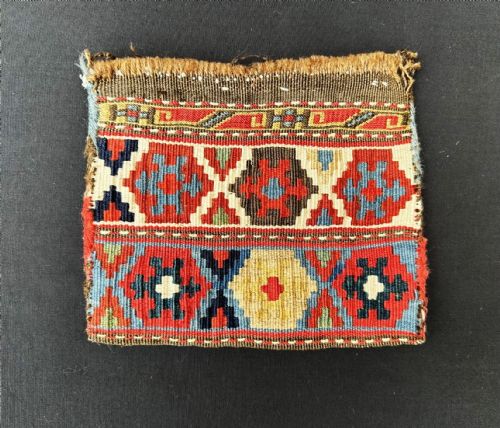
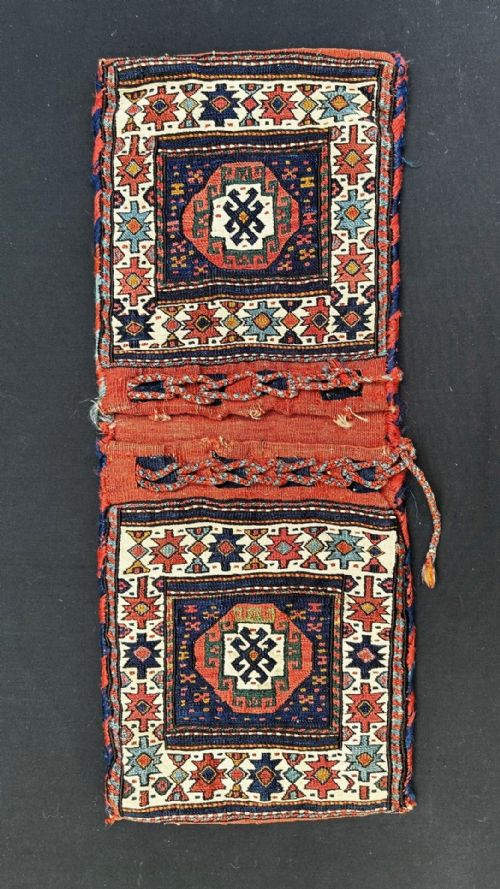
Buyers select these floor coverings for their strong graphic impact and historical integrity, as each carpet represents specific weaving traditions from the Caucasus region. The forms vary from small saddle-bags and panel fragments to room-sized carpets.
Materials and construction
These textiles rely primarily on wool for the pile and foundation, often supplemented by cotton warps or wefts in later regional examples. The wool is typically hand-spun, giving the yarn an irregular texture that absorbs dye with subtle tonal variation.
Weavers utilised natural dyes to achieve deep reds, blues, greens, and yellows that soften gracefully over decades of light and use. The construction methods combine hand-knotted pile techniques with flat-weave structures such as Soumak and kilim construction.
Caucasian Woven Rug Retail Price Guide 2026
Typical asking prices for caucasian woven rug among the pieces listed under this phrase on Sellingantiques today, from the lower quarter to the upper quarter. They describe what is for sale here now, not the wider market.
The listings span wool and cotton materials across production dates from 1850 to 1950, featuring regional styles like Kazak, Shirvan, and Kurdish tribal work.
Assessing craftsmanship and condition
The standard of a piece rests on the integrity of the weave, the handling of the wool, and the clarity of the regional design. Tightly knotted structures provide greater durability for floor placement, while finer wool preparation preserves crisp geometric outlines.
The depth and permanence of the dye palette separate standard items from superior examples. Natural colour saturation that retains vibrancy across the field indicates careful preparation of the materials by the weaver.
The Caucasian Woven Rug Glossary
- Kazak
- A type of rug originating from western and southern Caucasian weaving regions, known for bold geometric medallions and saturated primary colours.
- Soumak
- A flat-weave technique where extra weft threads are wrapped around the warp to create a textured, durable surface without a cut pile.
- Kilim
- A tapestry-woven carpet made without a pile, producing a flat surface with reversible patterns and sharp geometric designs.
- Prayer rug
- A small format textile featuring a mihrab or arch motif designed to indicate the direction of prayer during daily observance.
- Gendje
- A town and surrounding district in the Caucasus known for producing rugs with repeating diagonal patterns and narrow borders.
Caucasian Woven Rug: Frequently Asked Questions
Where were these rugs made?
These textiles were produced by nomadic and village weavers across the Caucasus region, encompassing areas that include modern Armenia, Azerbaijan, and Georgia. Each valley and tribal group maintained distinct design vocabularies.
Local access to specific plants and minerals for dyeing, combined with regional tribal motifs, created distinct visual traditions that collectors use to identify origins such as Shirvan, Karabagh, or Daghestan.
How do I care for an old rug?
Maintenance requires gentle vacuuming without rotating brushes and professional cleaning when necessary to protect the wool pile and natural dyes. Keeping the textile away from direct sunlight prevents the colour from fading unevenly.
Placing a breathable underlay beneath the carpet prevents slipping on hard floors and reduces friction between the foundation threads during everyday use.
What is the difference between pile and flat-weave?
Pile rugs are created by knotting individual strands of wool onto a foundation warp and weft, resulting in a thick, textured surface. Flat-weaves like kilims and Soumaks have no pile, created instead by interlacing warp and weft threads directly.
Flat-woven pieces are lighter and traditionally served as utilitarian covers or wall hangings, whereas piled carpets provided warmth and cushioning on stone or earth floors.
How do I date a woven rug?
Dating relies on examining the materials, structural materials like cotton or wool warps, and the chemical composition of the dyes. Natural dyes and hand-spun wool generally point toward nineteenth and early twentieth-century production.
Stylistic shifts, such as the introduction of synthetic aniline dyes towards the end of the nineteenth century, provide further benchmarks for establishing the period of manufacture.