


Caucasian Weaving
When you explore caucasian weaving, you examine tribal textiles and hand-knotted rugs rooted in mountainous traditions that bring rich geometry and history into a room.
Caucasian Weaving
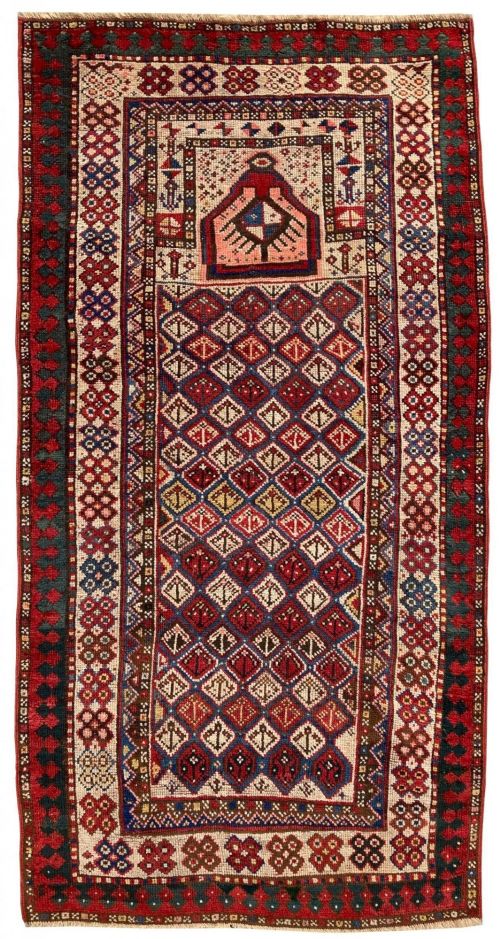
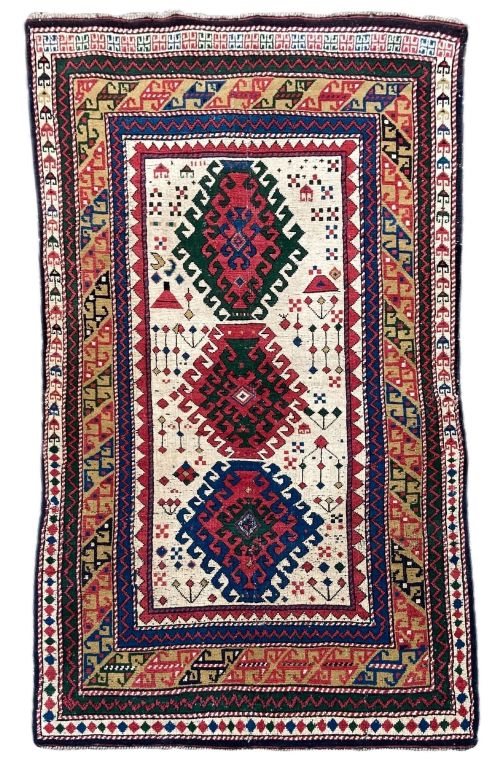
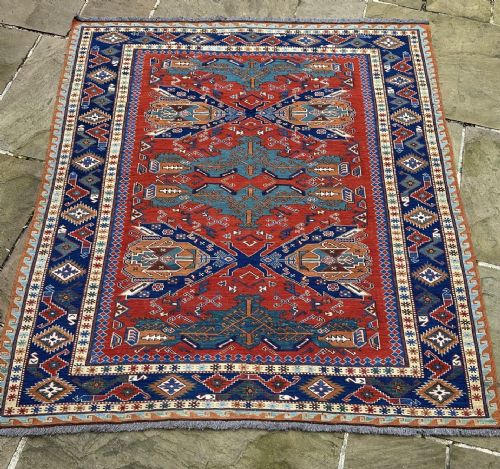
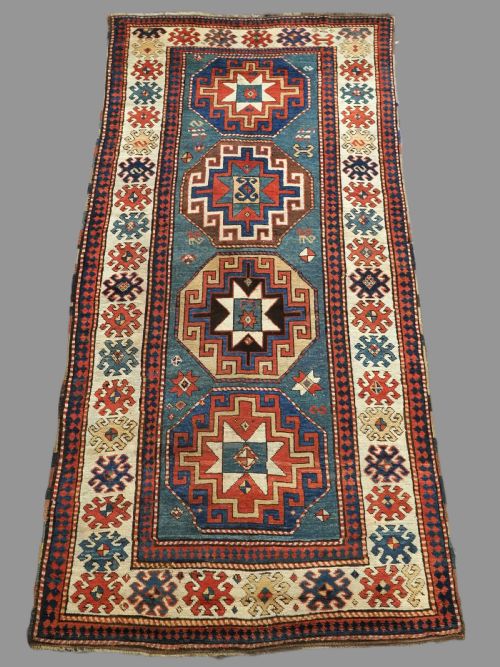
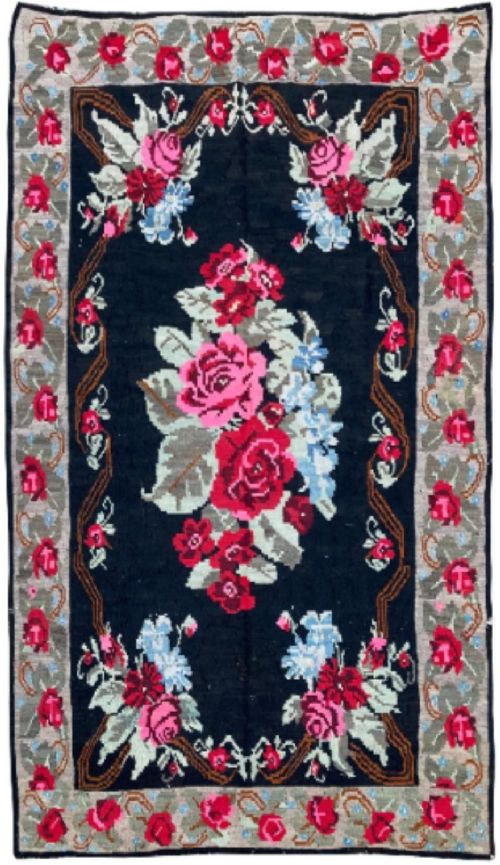
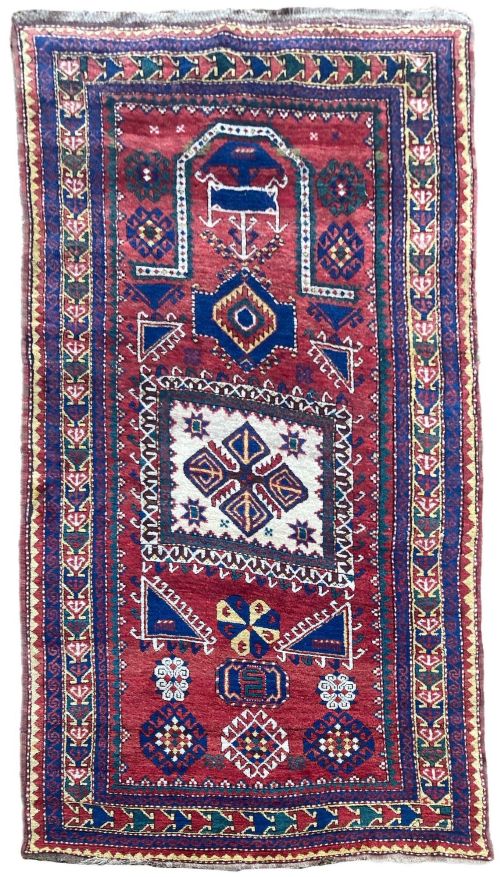
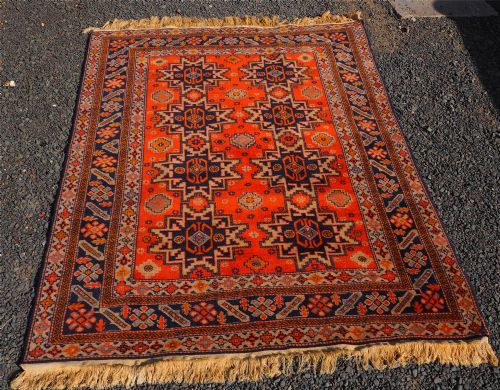
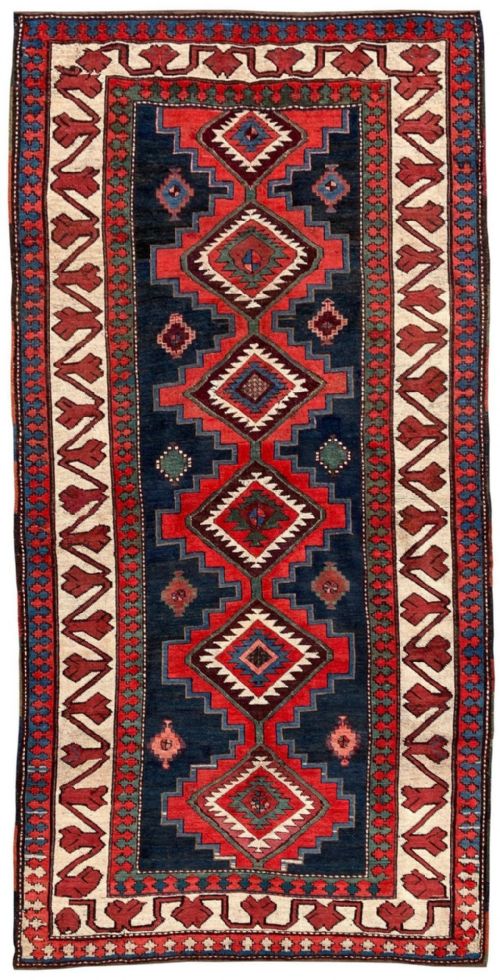
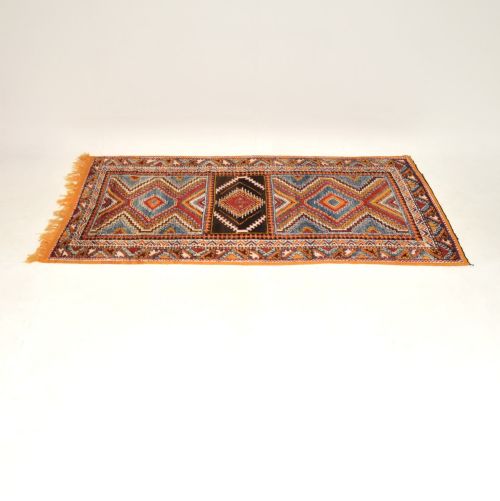
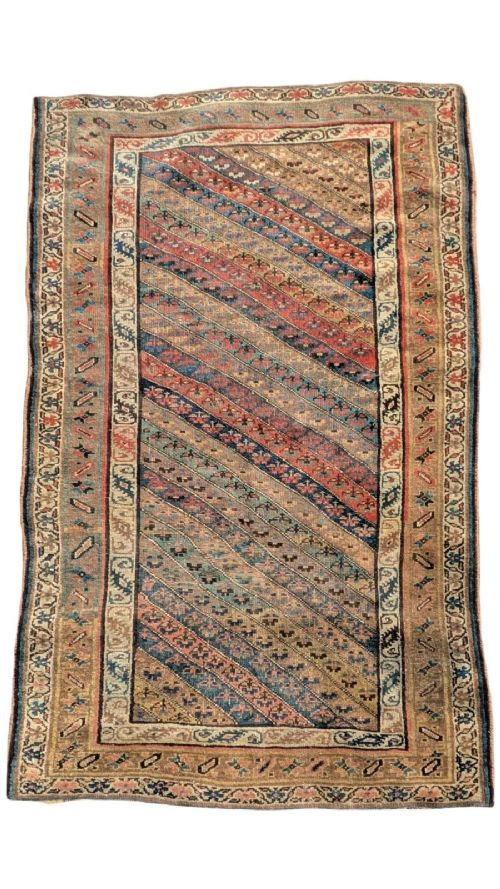
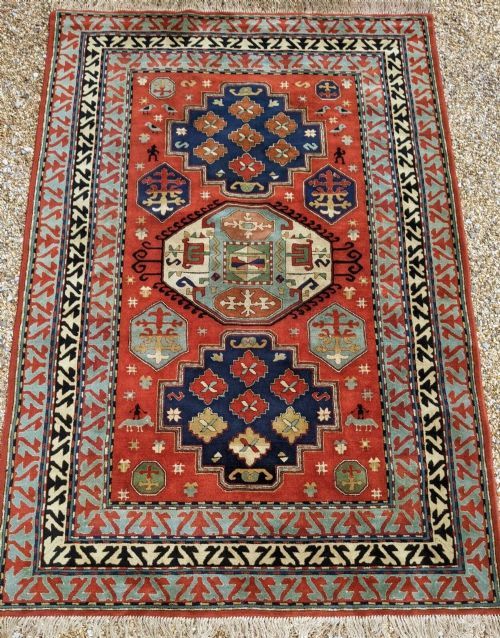
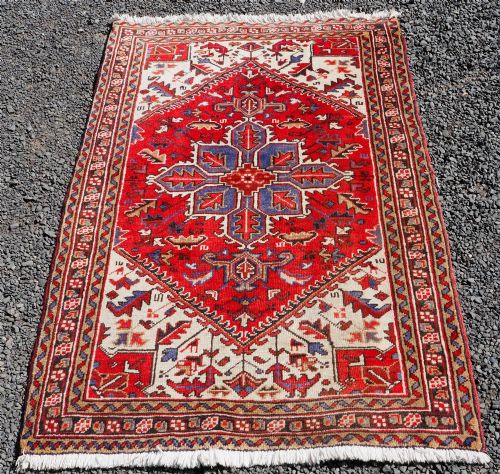
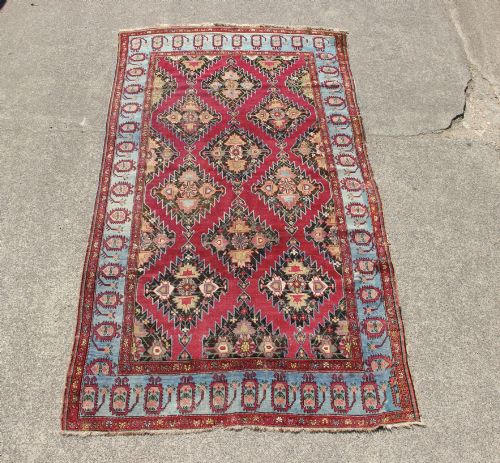
Caucasian weaving encompasses rugs, carpets, prayer rugs, runners, and flat-woven kilims produced across the Caucasus region alongside related tribal works from Kurdish and Shahsevan groups. You will frequently encounter Kazak, Karabagh, and Shirvan rugs dating from the nineteenth and early twentieth centuries, often bearing distinct geometric medallions and animal motifs.
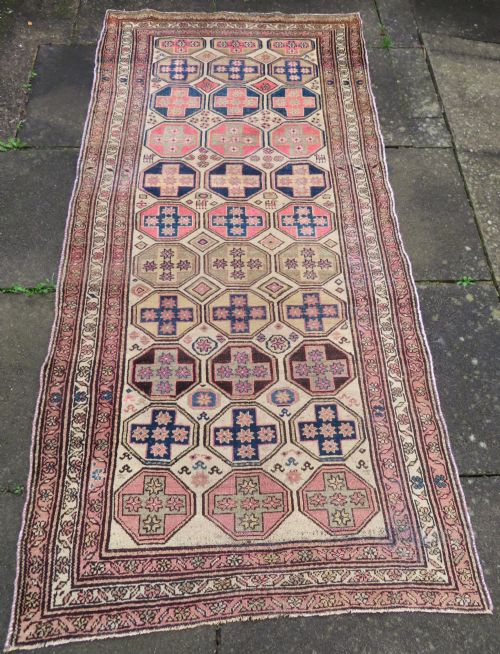
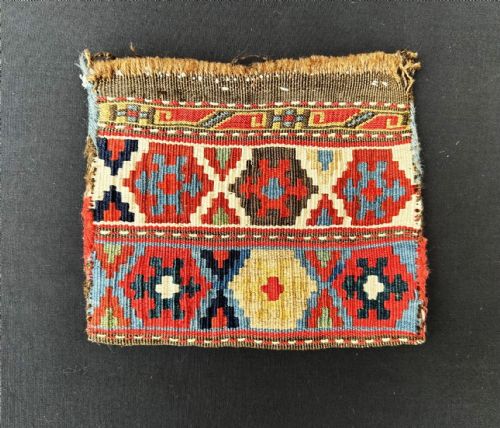
The formats range from small vanity-bags and saddle-bags to large area rugs and long runner rugs, reflecting nomadic and village origins. These pieces display traditional regional designs shaped by weaving communities in Daghestan, Azerbaijan, and surrounding areas.
Materials and construction methods
The weavers utilised wool, hand-spun wool, cotton for foundations, and occasionally silk, knotted or flat-woven by hand on vertical or horizontal looms. Many pieces incorporate natural dyes that yield rich, mellow colours shifting subtly across the field.
Techniques span pile knotting for sturdy floor coverings and sumac or kilim flat-weaving methods for bags, panels, and lightweight carpets. Wood implements and natural dyestuffs sourced locally provided the foundational tools for production.
Caucasian Weaving Retail Price Guide 2026
Typical asking prices for caucasian weaving among the pieces listed under this phrase on Sellingantiques today, from the lower quarter to the upper quarter. They describe what is for sale here now, not the wider market.
Listings span periods from the nineteenth century through the 1950s, featuring wool, cotton, silk, and natural dyes.
Assessing quality in textiles
Quality rests in the integrity of the hand-spun wool, the precision and tightness of the knotting, and the depth achieved through natural dyes. Tighter construction and well-balanced proportions separate finer tribal weaving from coarser utility pieces.
The harmony of the palette and the crispness of geometric motifs dictate visual success. Superior examples exhibit deliberate symmetry and confident execution within traditional regional layouts.
The Caucasian Weaving Glossary
- Kazak
- A type of rug produced by weaving communities in the central and western Caucasus, known for bold geometric designs and primary colour palettes.
- Kilim
- A flat-woven carpet or textile lacking a pile, produced by tightly interweaving warp and weft threads to create geometric patterns.
- Soumak
- A flat-weave technique involving wrapping weft threads around warp threads to produce a durable structure with a textured surface.
- Gul
- A medallion or repeating floral-octagon motif frequently utilised in tribal rugs and carpets.
- Prayer rug
- A small rug featuring a mihrab or niche design, traditionally oriented toward Mecca during daily prayers.
Caucasian Weaving: Frequently Asked Questions
How do I clean an antique rug?
Gentle surface brushing and professional specialist cleaning suited for natural dyes maintain the wool without stripping the lanolin.
Avoid harsh chemical treatments and excessive water immersion to preserve the hand-spun fibres.
Can I place these rugs on heated floors?
Natural wool and cotton fabrics tolerate moderate underfloor heating provided a breathable underlay is utilised.
Excessive direct heat can dry out older hand-spun wool over extended periods.
How do I tell Kazak and Shirvan rugs apart?
Kazak pieces typically display larger, bolder geometric medallions with primary saturated tones.
Shirvan rugs generally present finer, more intricate details and softer, more restrained colour arrangements.
Where were these textiles originally used?
Nomadic groups and village households used them as floor coverings, tent furnishings, and transport bags.
Smaller pieces functioned as saddle-bags and storage pouches for daily nomadic life.