

Caucasian Weave Carpet
When you search for a caucasian weave carpet, you are looking at resilient village and nomadic floor coverings shaped by centuries of regional tradition.
Caucasian Weave Carpet
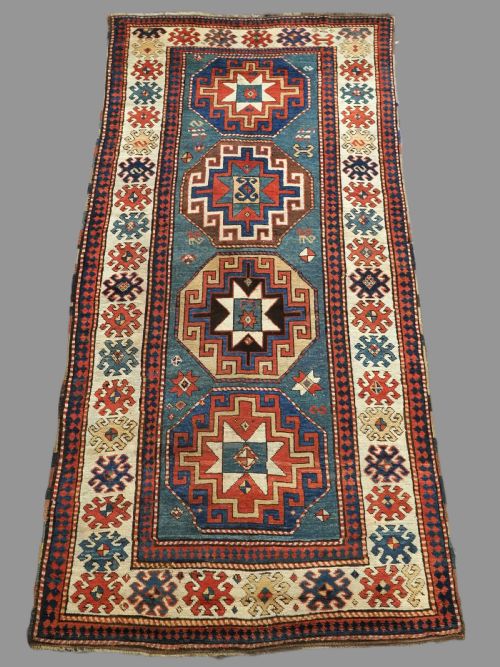
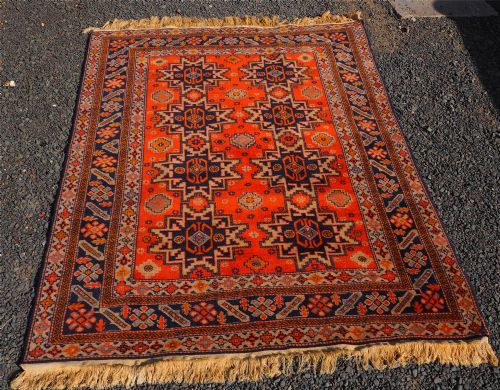
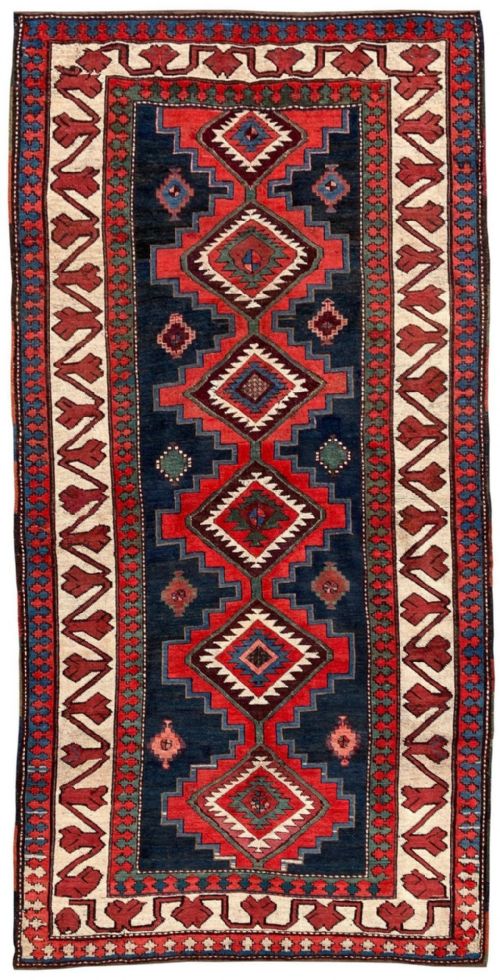
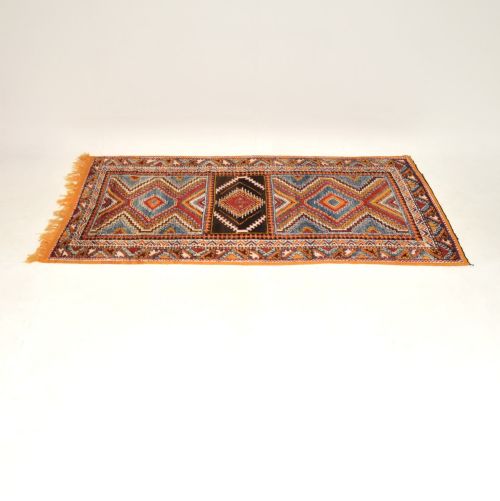
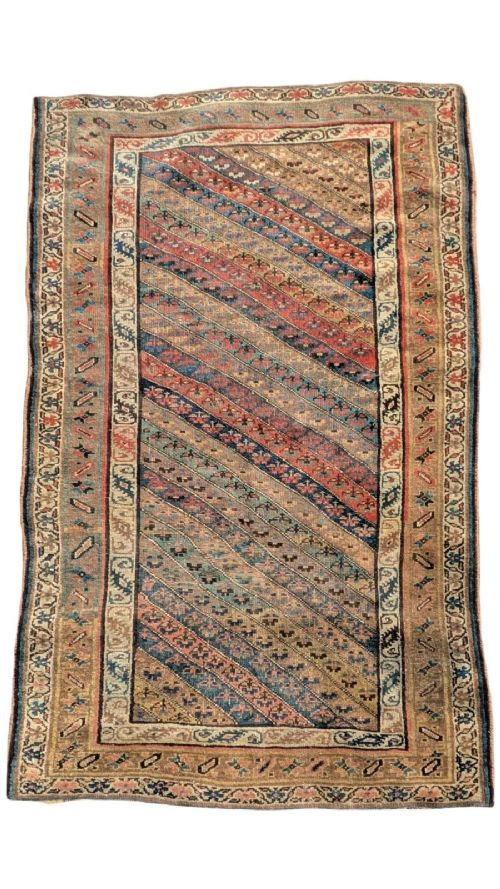
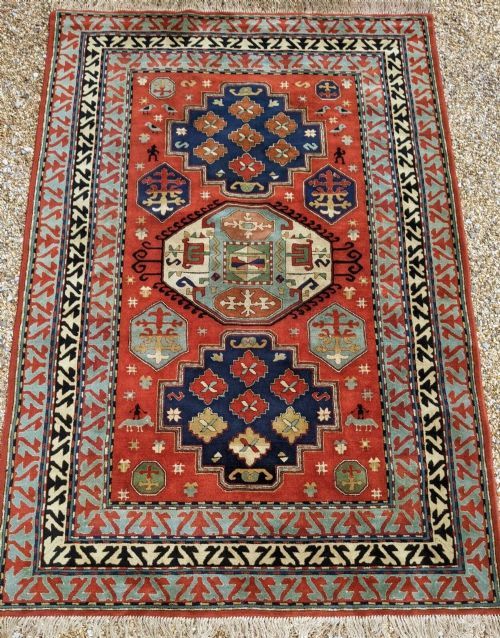
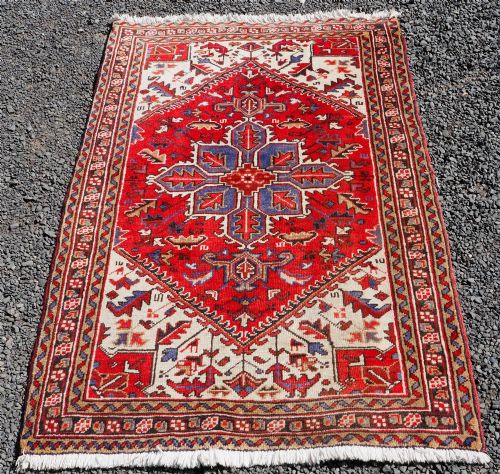
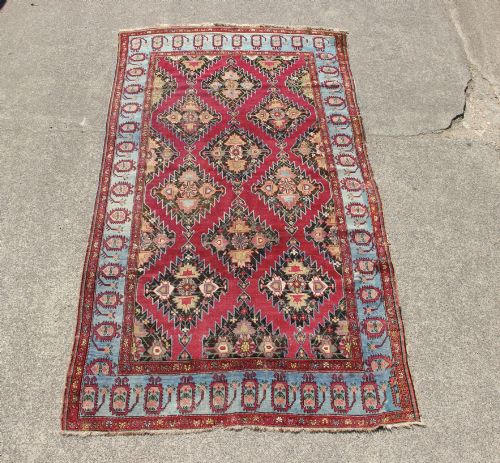
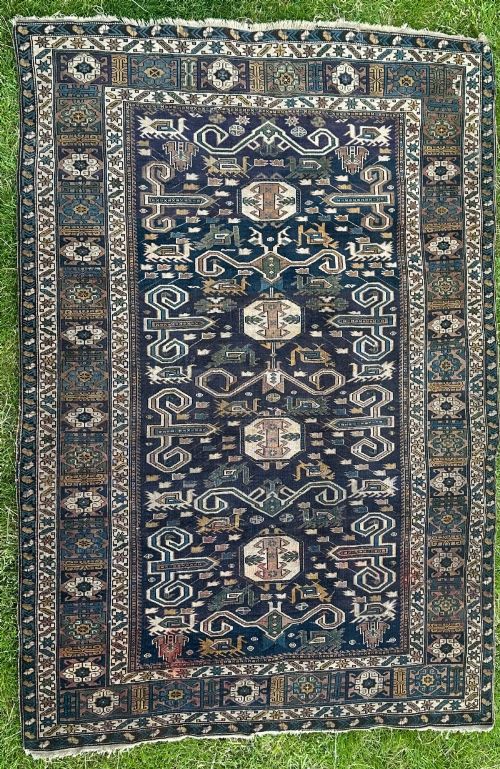
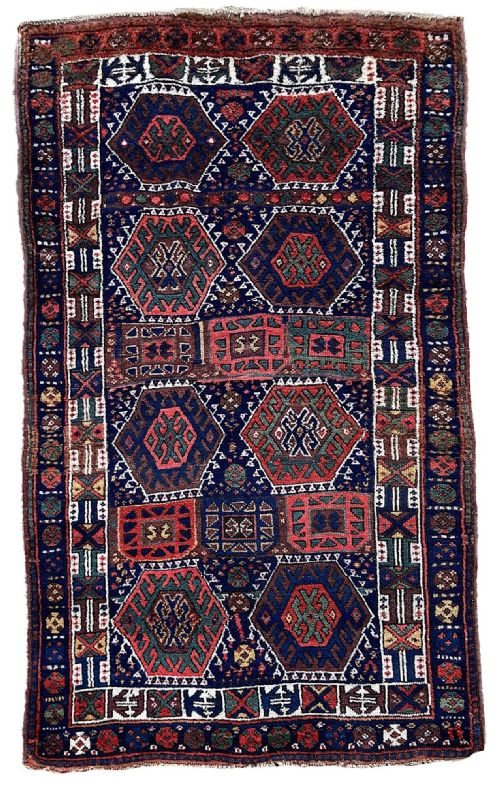
A caucasian weave carpet encompasses dense pile rugs, runner rugs, and flat-weave kilims originating from regions such as the Caucasus, Daghestan, Shirvan, and Karabagh. These pieces frequently date from the late nineteenth and early twentieth centuries, spanning periods from the 1870s through the 1930s.
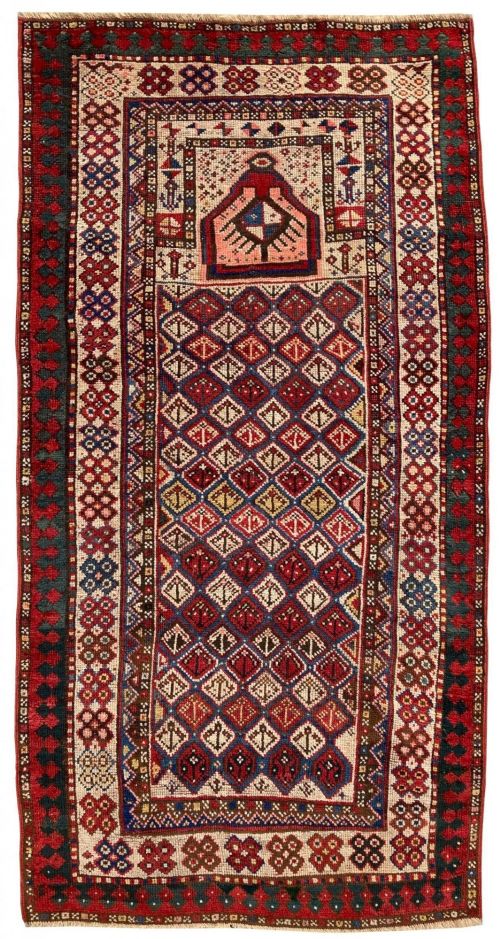
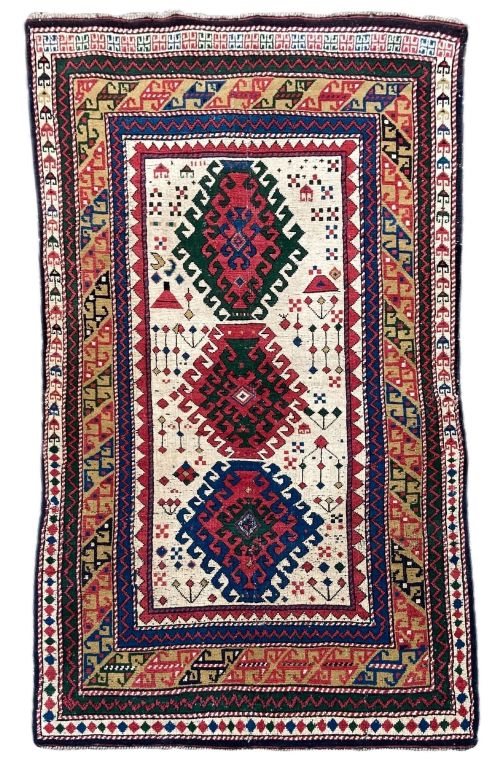
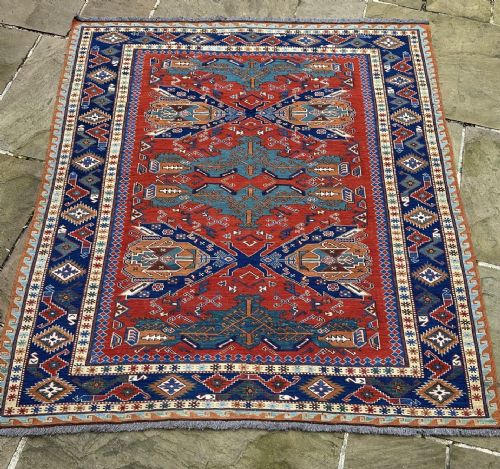
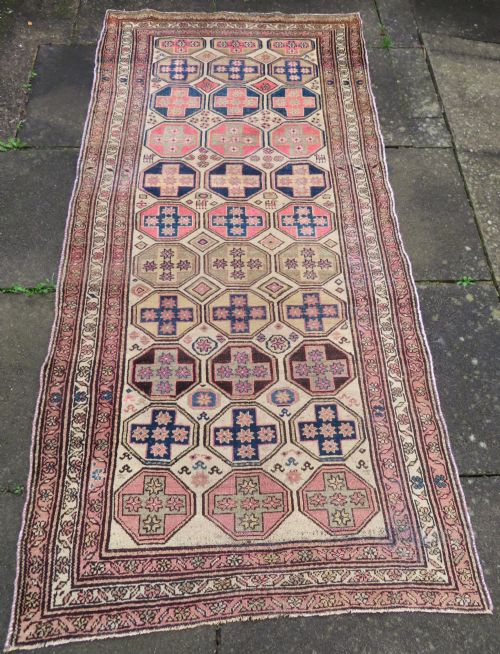
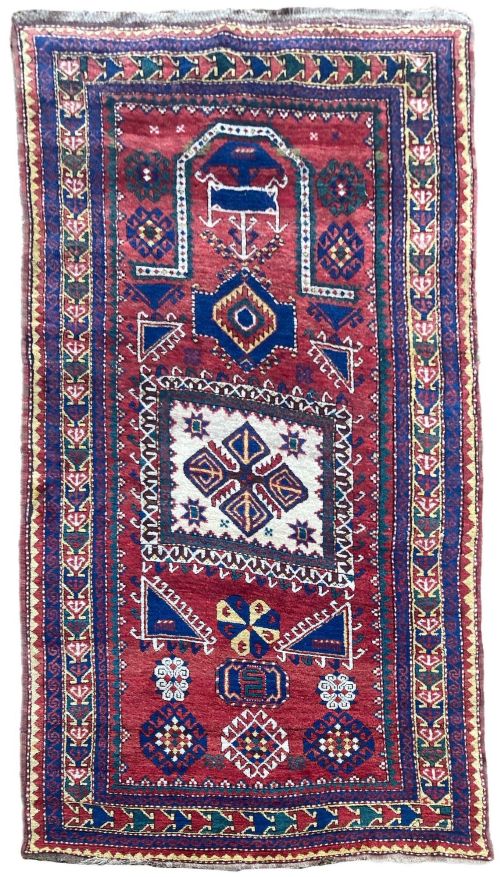
The most common forms you will encounter on this page are village and tribal rugs featuring geometric medallions, animal motifs, and prayer designs. They range from small scatter sizes and prayer rugs to longer hallway runners and room-sized carpets.
Makers include various tribal groups and regional weavers, such as Kurdish, Shahsavan, and Kazak communities, working within distinct local design vocabularies. Each piece reflects the specific heritage and knotting traditions of its geographic source.
How they were made
These textiles are constructed primarily from hand-spun wool and cotton foundations, utilising hand-knotted pile or flat-weave techniques depending on the regional workshop. The physical structure relies on sturdy wool loops secured across warp and weft threads.
Natural dyes provide the characteristic colour palette, yielding mellow tones, deep greens, and rich hues that soften gracefully over time. Artisans extracted these colourants from local plants and minerals before synthetic alternatives became widespread.
Caucasian Weave Carpet Retail Price Guide 2026
Typical asking prices for caucasian weave carpet among the pieces listed under this phrase on Sellingantiques today, from the lower quarter to the upper quarter. They describe what is for sale here now, not the wider market.
Listings feature pieces spanning the 1870s to the 1930s, constructed from hand-spun wool and cotton using natural dyes.
What varies in quality
Quality in these carpets rests on the density of the knotting and the crispness of the geometric drawing. Tighter foundations and precise line work indicate greater skill and time invested by the weaver.
The depth and integrity of the natural dyes also dictate standard; examples retaining vibrant, harmonious colour palettes without muddy discoloration stand apart from simpler commercial productions.
The Caucasian Weave Carpet Glossary
- Kazak
- A type of rug woven in the central and western Caucasus known for bold geometric patterns and strong primary colours. These pieces often feature large medallions and hooked motifs.
- Kilim
- A flat-weave carpet produced without a pile, created by tightly interlocking warp and weft threads. This technique yields a lightweight, reversible textile with sharp geometric designs.
- Soumak
- A brocade-weaving technique where coloured weft threads are wrapped over and under the warp threads to create a textured, durable surface. It produces a heavier structure than standard flat-weaves.
- Prayer Rug
- A small rug featuring a mihrab or niche design at one end, traditionally used by Muslims for daily prayers. The niche points toward Mecca during use.
- Gul
- A medallion or repeating octagonal motif often found in tribal and nomadic carpets. Each design typically identifies a specific clan or weaving tradition.
Caucasian Weave Carpet: Frequently Asked Questions
How do I clean a antique rug?
Vacuum gently without using a rotating brush roll to prevent catching loose fibres or damaging the foundation.
Professional washing by a specialist in antique textiles is recommended for deeper cleaning to protect natural dyes.
Can I use these in hallways?
Many runner formats and narrow proportions suit high-traffic corridors and entryways.
Placing a breathable rug underlay underneath helps prevent slipping and reduces wear on hard floors.
How do I identify a Kazak?
Look for heavy wool construction, bold geometric medallions, and a bright primary colour palette.
These rugs typically display distinctive hooked polygons and rectilinear motifs characteristic of the Caucasus.
What is a flat-weave?
A flat-weave lacks a raised pile, relying instead on interlocking threads to form the pattern.
This construction creates a thinner, reversible textile well-suited for summer months or layering.