


Caucasian Tribal Weave
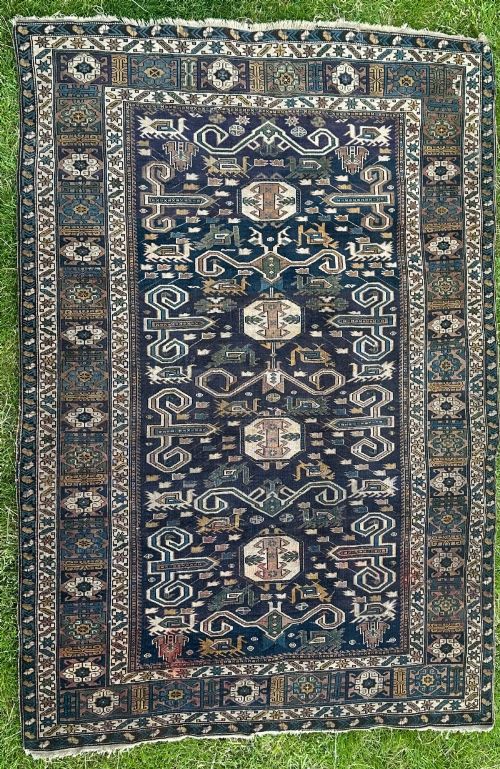
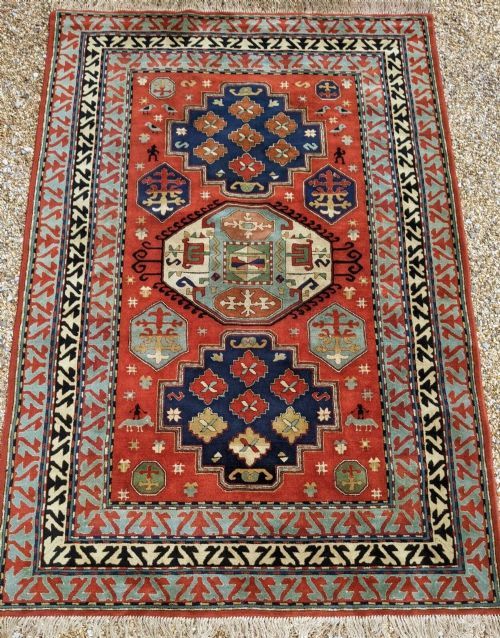
Caucasian tribal weave pieces bring dense geometric motifs and saturated dyes into a room, forged by nomadic and village makers.
Caucasian Tribal Weave
A caucasian tribal weave covers hand-knotted rugs, flat-weave kilims, and small utility pieces like saddle-bags produced across the Caucasus region. These textiles originate primarily from nineteenth and early twentieth-century village workshops and nomadic camps.
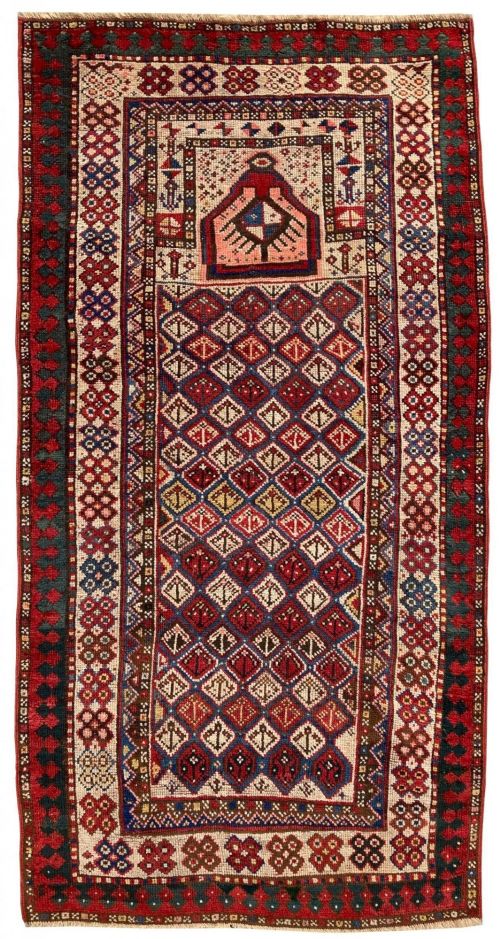
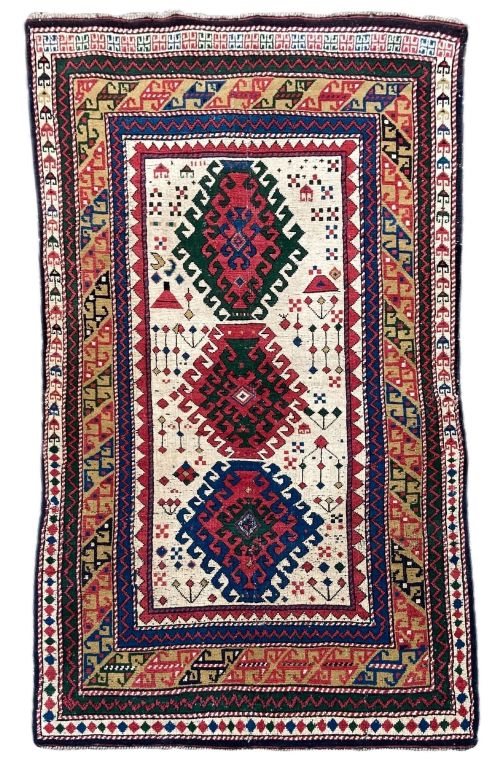
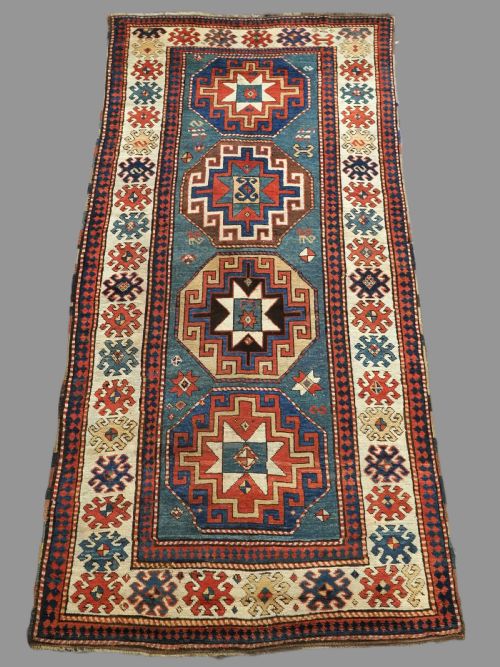
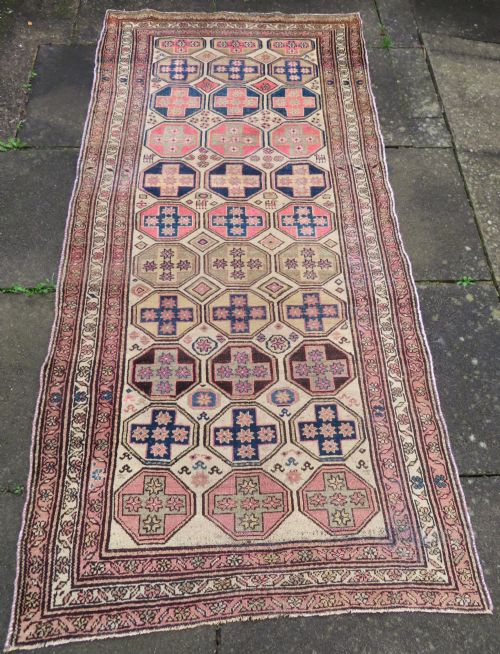
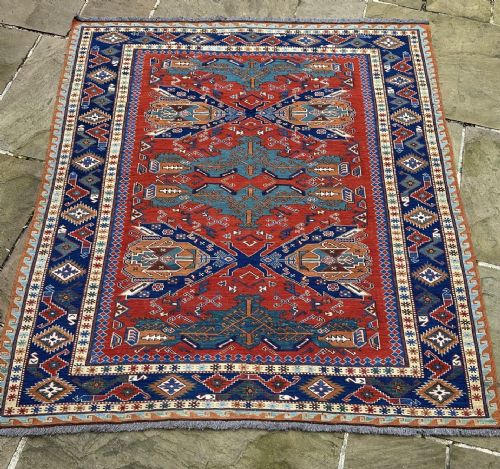
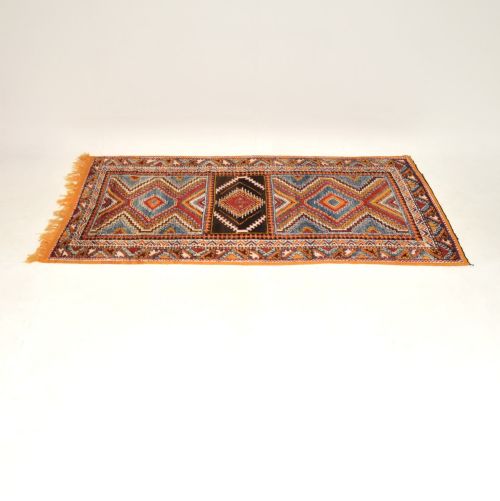
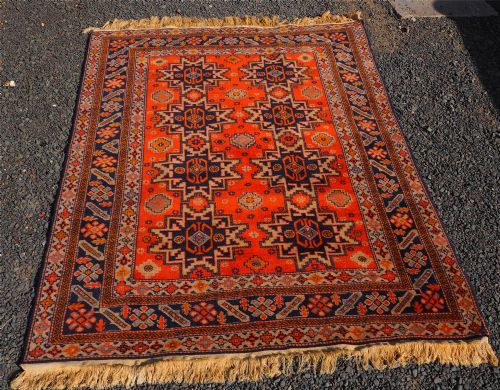
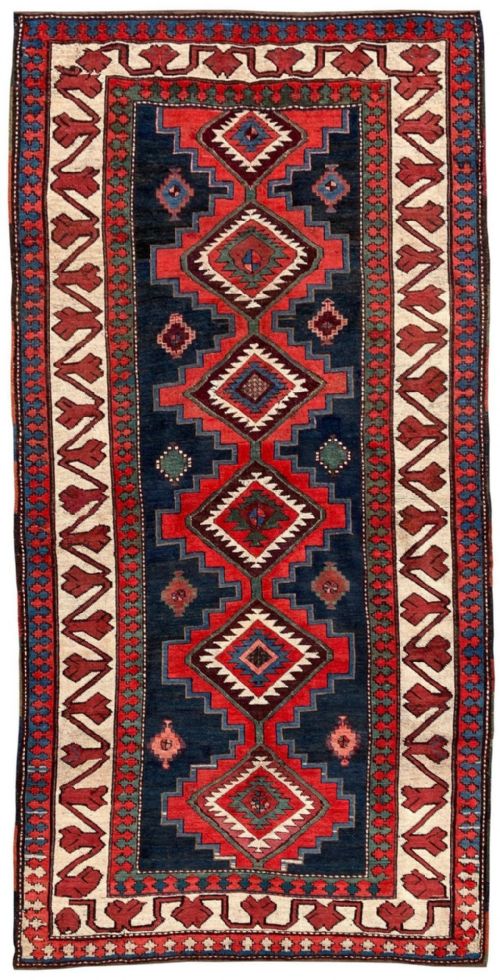
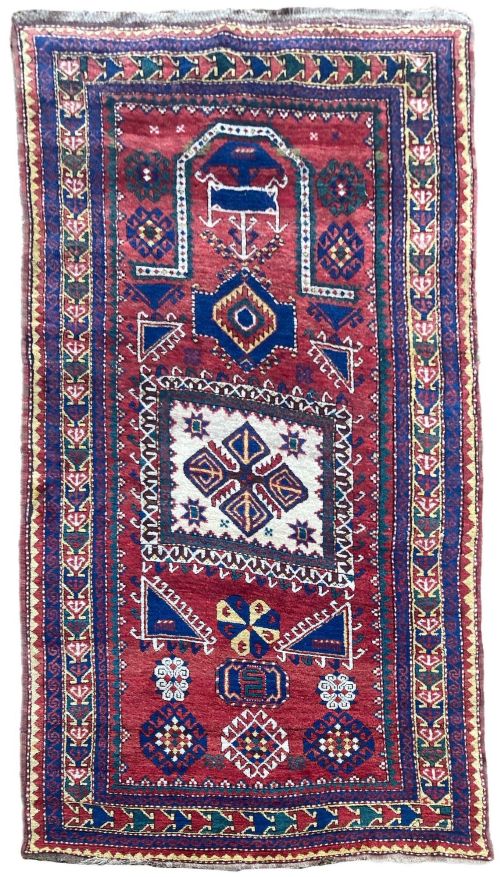
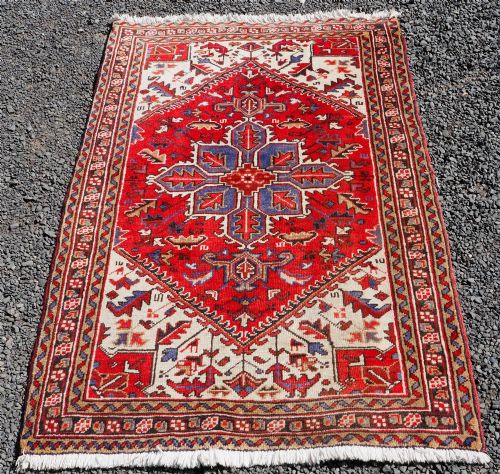
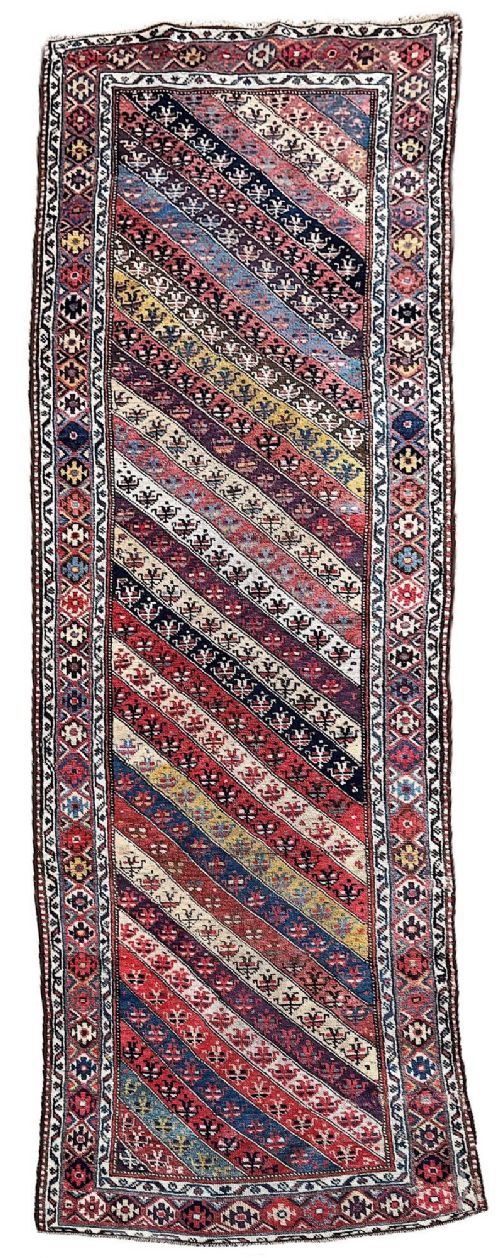
The most common formats on this page are rectangular area rugs and runners displaying traditional Caucasian, Kurdish, and Shirvan designs. Pieces often incorporate animal motifs, geometric medallions, and prayer arches.
Geographic attributions span specific localities such as Kazak, Gendje, Karabagh, and Daghestan. Each weaving group employs distinct colour palettes and structural rhythms that distinguish its output.
Materials and Construction
Makers built these textiles using hand-spun wool for the pile and foundation, occasionally combining cotton and silk threads for structural clarity or detail. Natural dyes extracted from local plants and minerals provided the foundational palette.
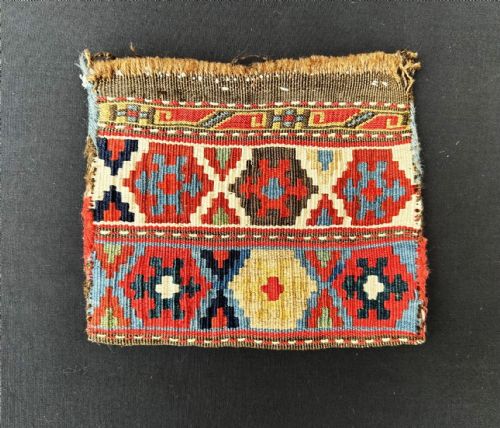
Weavers executed pile carpets using symmetrical or asymmetrical knots on vertical looms, while flat-weaves relied on tapestry techniques like the slit-weave method. The resulting structures range from dense, heavy pile carpets to durable, supple kilims and sumac bag faces.
Caucasian Tribal Weave Retail Price Guide 2026
Typical asking prices for caucasian tribal weave among the pieces listed under this phrase on Sellingantiques today, from the lower quarter to the upper quarter. They describe what is for sale here now, not the wider market.
Nomadic weavers occasionally inserted deliberate small colour errors or stray animal motifs into rigid geometric patterns to ward off the evil eye.
Assessing Quality and Execution
The handle and density of the weave set the baseline for quality, reflecting the time invested in beating down the rows of knots. Finer knot counts allow for sharper geometric definition and intricate drawing in the medallions.
The vibrancy and depth of the natural dyes determine the visual success of the piece. Purity in the wool preparation and consistency in the mordanting process yield rich tones that mellow gracefully over decades of use.
The Caucasian Tribal Weave Glossary
- Kazak
- A robust rug type originating from the western Caucasus, known for bold geometric designs and primary colour palettes. These pieces typically display large guls and heavy wool foundations.
- Kilim
- A flat-woven textile produced without a pile, created by tightly interlocking weft threads over warp foundations. This technique yields a lightweight, reversible fabric often used for floor coverings and wall hangings.
- Sumac
- A supplementary weft-wrapping technique that creates a textured surface resembling embroidery on the reverse side. It provides extra durability and is frequently found on smaller bags and panels.
- Prayer rug
- A small rug format featuring a central mihrab or arch design indicating the direction of prayer. Weavers often oriented the motif to guide the user during daily rituals.
- Gendje
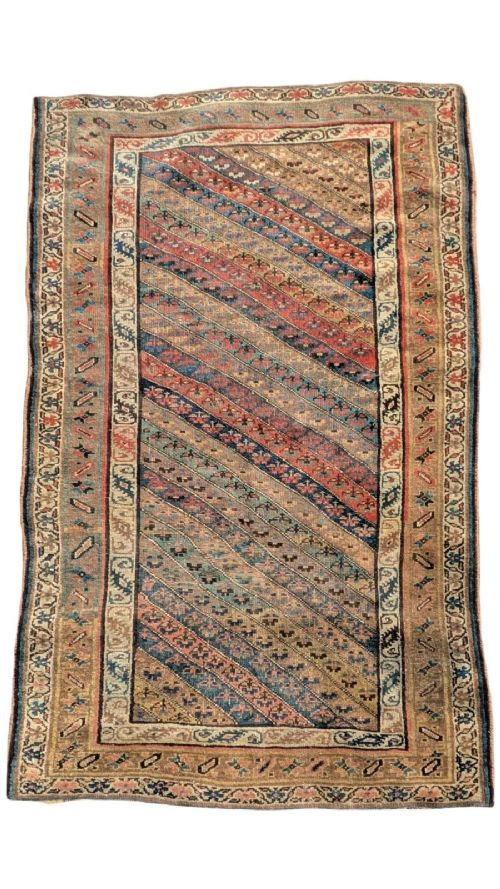
- A specific stylistic attribution from the eastern Caucasus characterised by narrow formats and dense, repeating diagonal patterns. These rugs often utilise rich blues and yellows.
- Khorjin
- A traditional double saddle-bag used by nomadic tribes for transport and storage. Surviving examples are often separated into individual bag faces for display.
Caucasian Tribal Weave: Frequently Asked Questions
What is a caucasian tribal weave?
A caucasian tribal weave encompasses handmade pile rugs, kilims, and flat-woven nomadic trappings originating from the Caucasus mountains during the nineteenth and early twentieth centuries. These pieces reflect the regional traditions and cultural motifs of village and nomadic populations.
The group includes diverse structures like sumac work and knotted pile carpets, united by bold geometry and saturated natural wool colouration.
How do I care for an old rug?
Protect antique wool textiles by placing them in low-traffic areas and using a breathable, high-quality underlay to prevent slipping and friction. Vacuum gently with suction only, avoiding rotating brush bars that can pull at the hand-spun wool pile.
Rotate the piece periodically to ensure even exposure to foot traffic and sunlight. Professional cleaning should be undertaken sparingly by specialists experienced in antique vegetable-dyed carpets.
How do I distinguish regional styles?
Distinguishing regional styles requires looking at the specific geometry, border arrangements, and colour combinations characteristic of centres like Kazak, Shirvan, or Karabagh. Kazak pieces tend toward large, bold medallions, while Shirvan rugs often display finer, more intricate repeating motifs.
The choice of foundation materials, such as all-wool constructions versus cotton warps, also offers clues to the specific valley or workshop tradition.
Were these rugs used daily?
Nomadic and village communities utilised these textiles as floor coverings, sleeping mats, wall dividers, and pack animals equipment. Saddle-bags and storage panels served practical functions during seasonal migrations.
Their durability stems from resilient hand-spun wool and tight knotting, designed to withstand rigorous domestic and nomadic life before entering collections.