



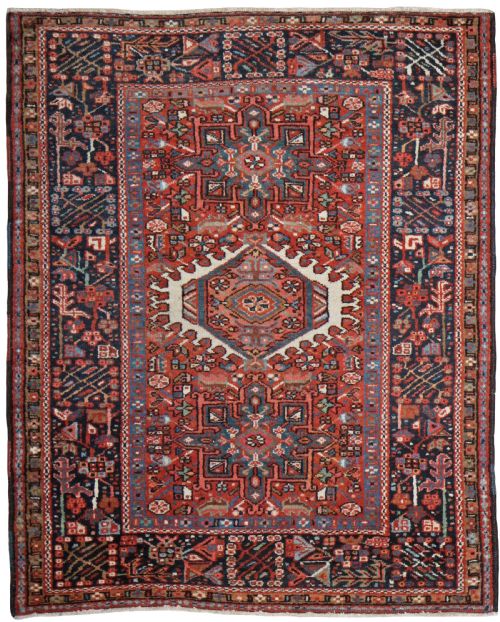
Caucasian Style Area Rug
A caucasian style area rug brings rich village geometry and deep dyed wool into a room.
Caucasian Style Area Rug
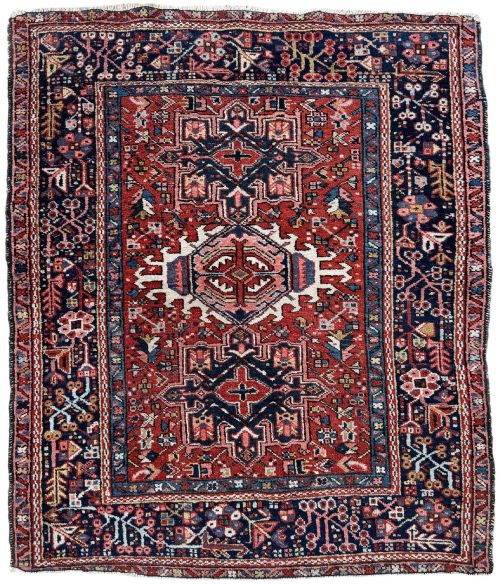
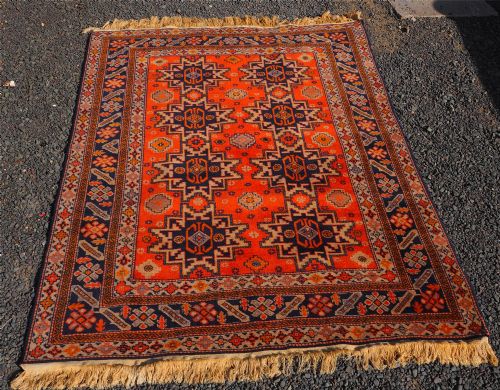
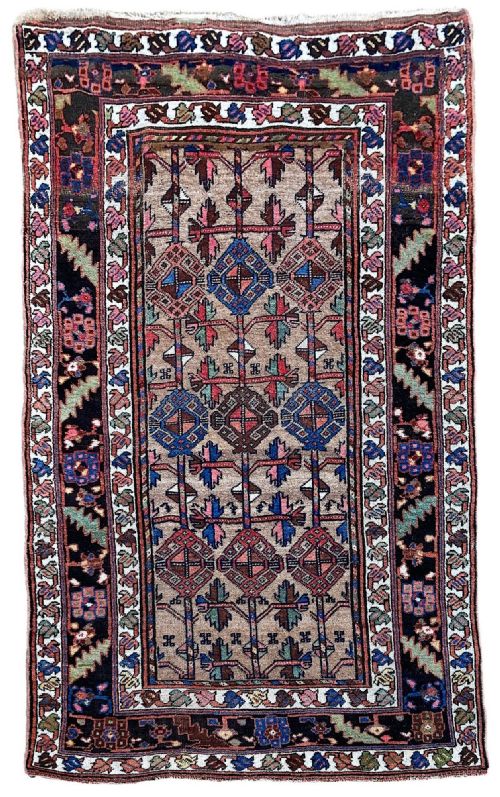
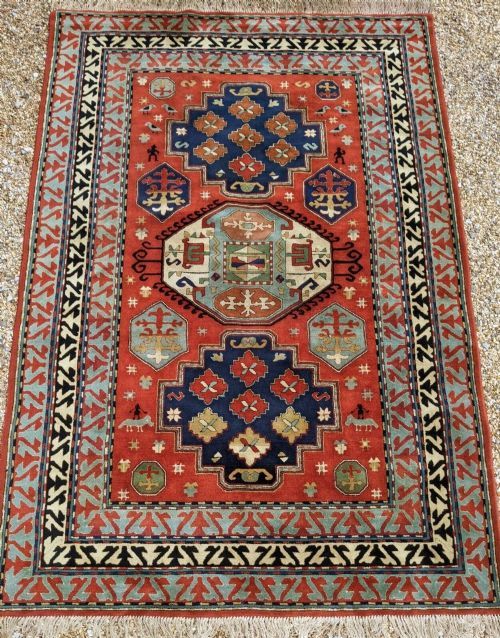
When you search for a caucasian style area rug, you encounter hand-knotted tribal floor coverings originating from the nineteenth and early twentieth centuries. These pieces display strong geometric motifs, medallion layouts, and traditional village designs associated with regions such as Shirvan, Gendje, Daghestan, and Karabagh. Most examples encountered here date from the late nineteenth century up to the 1930s, reflecting traditional weaving practices.
The assortment includes specific regional types alongside broader tribal formats, ranging from small prayer rugs to longer runner formats and square carpets. Makers utilise familiar motifs such as boteh, shrub patterns, and animal figures set against contrasting coloured grounds. Each piece represents the distinct aesthetic of tribal and village workshops across the Caucasus and north-west Persia.
How they were made
Weavers constructed these rugs using hand-spun wool and cotton foundations, tying dense knots by hand to ensure durability. Natural and early chemical dyes were employed to achieve the characteristic rich palettes seen across the field and borders.
The materials reflect traditional village production, where locally sourced wool provided both resilience and a soft pile. The foundation threads of cotton or wool support the tight knotting characteristic of these regional textiles.
Caucasian Style Area Rug Retail Price Guide 2026
Typical asking prices for caucasian style area rug among the pieces listed under this phrase on Sellingantiques today, from the lower quarter to the upper quarter. They describe what is for sale here now, not the wider market.
Certain antique carpets feature charming depictions of peacocks and animals woven directly into the tribal field geometry.
What varies in quality
The standard of a weaving depends upon knot density and the precision of the geometric layout. Tightly packed piles and crisp lines indicate superior skill in executing traditional tribal motifs.
Depth of colour and the condition of the wool also distinguish examples. Well-preserved pieces retain vibrant tones and even wear across the field and borders.
The Caucasian Style Area Rug Glossary
- Boteh
- A stylised almond or paisley motif representing a floral shoot or cypress tree. It appears frequently in regional village and tribal weaving.
- Prayer rug
- A small format featuring a distinct architectural mihrab or arch design at one end. Historically used for daily prayers.
- Medallion
- A central ornamental design element placed in the middle of the rug field. It often anchors the geometric symmetry of tribal carpets.
- Pile
- The raised surface of knotted wool forming the upper layer of the rug. Its density affects the tactile feel and durability of the piece.
- Runner
- A long, narrow carpet format designed for hallways or corridors. These pieces often feature repeating geometric borders.
Caucasian Style Area Rug: Frequently Asked Questions
Where were these rugs made?
These textiles originate from village and tribal workshops across the Caucasus region and north-west Persia. Weavers in areas such as Shirvan, Daghestan, and Karaja produced them.
Production spanned the nineteenth and early twentieth centuries, utilising traditional local motifs and hand-spun materials.
What materials are used?
Most examples employ hand-spun wool for the visible pile, offering durability and warmth. Cotton and wool foundations provide structural support for the dense knots.
Natural dyes created the deep, varied colour palettes found across these historical village pieces.
How do I date a rug?
Dating relies on stylistic analysis, material composition, and structural characteristics such as knot count and edge finish. Pieces on this page span from the late nineteenth century through the 1930s.
Natural dye variations and specific regional motifs help narrow down the likely period of manufacture.
How do I care for my rug?
Regular gentle vacuuming without a rotating brush helps remove dust from the wool pile. Professional cleaning suited to antique textiles preserves the integrity of the fibres and dyes.
Keeping the rug out of direct sunlight prevents premature fading of the traditional colours.