

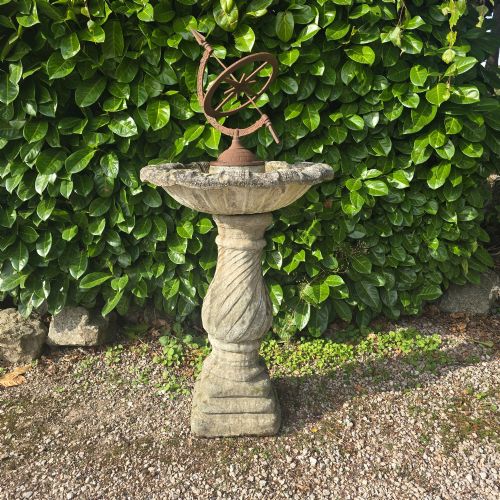
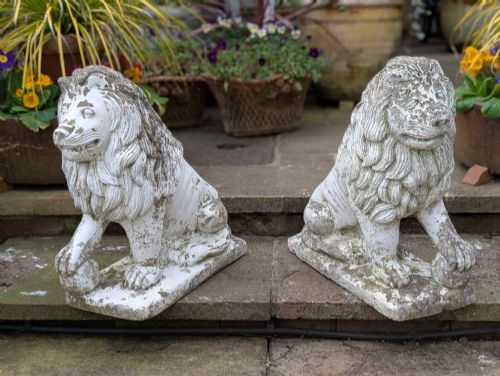
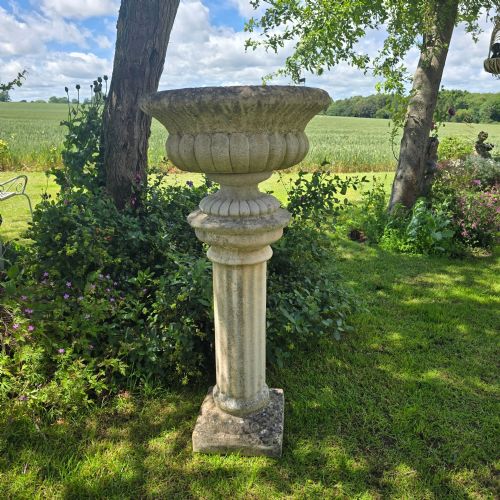
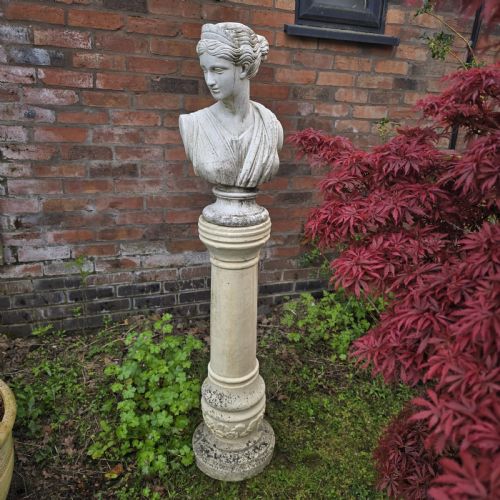


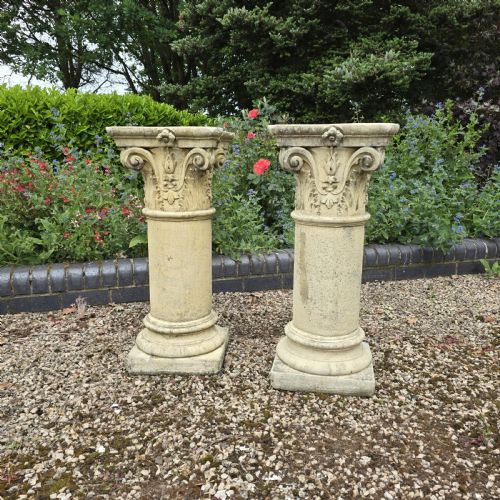


Cast Stone Plinth
A cast stone plinth lifts garden statuary and urns into the sunlight, turning modest planters into classical focal points.
Cast Stone Plinth
A cast stone plinth provides a sturdy architectural base for garden ornaments, urns, and busts in traditional settings. These supports raise statues and planters to eye level, protecting them from damp ground while adding formal symmetry to lawns and terraces.
The selections available here span from nineteenth-century classical revivals to mid-twentieth-century garden pieces, often supporting figures like Apollo, Athena, or lions. Many examples arrive paired as columns or pedestals ready to carry heavy stone vessels.
Buyers will encounter various incarnations, from simple cylindrical pedestals to elaborate architectural altars and columns bearing acanthus leaf detail. Each piece establishes a distinct vertical accent within a garden or courtyard scheme.
How they were made
Makers utilised reconstituted stone, concrete, and cast stone, pouring aggregate mixtures into moulds to replicate carved masonry or classical stone. These materials weathered naturally outdoors over decades, developing moss and surface patination.
Some examples incorporate cast iron or painted finishes alongside traditional stone and plaster, adding structural rigidity or distinct surface colour. Bronze and terracotta elements occasionally appear as companion sundials or mounted figures atop the stone pedestals.
Cast Stone Plinth Retail Price Guide 2026
Typical asking prices for cast stone plinth among the pieces listed under this phrase on Sellingantiques today, from the lower quarter to the upper quarter. They describe what is for sale here now, not the wider market.
Object types include garden statues, urns, campana planters, and architectural columns alongside traditional plinths.
What varies in quality
The definition of the mould and the crispness of classical detailing, such as acanthus leaves or fluting, separate superior columns from simpler forms. Heavier aggregate mixes and well-balanced proportions indicate thoughtful casting rather than hurried production.
The degree of honest weathering and surface integration dictates the visual weight of a pedestal in the garden. Pieces that have aged organically display a harmonious texture that factory-distressed items fail to replicate.
Andrew Handyside
The Cast Stone Plinth Glossary
- Cast stone
- A building product manufactured from Portland cement, sand, and crushed stone designed to mimic natural cut stone. It offers high durability for exterior garden ornaments.
- Reconstituted stone
- Aggregate bound with cement and moulded into architectural forms such as plinths and bird baths. It weathers similarly to quarried stone.
- Campana
- A bell-shaped garden urn typically mounted on a socle base and pedestal. The form originates from classical antiquity.
- Neoclassical
- A style drawing inspiration from the classical art and culture of ancient Greece and Rome. It dominates the ornamentation seen on nineteenth-century pedestals.
Cast Stone Plinth: Frequently Asked Questions
Can plinths stay outside all winter?
Most cast stone and reconstituted stone plinths withstand frost and winter weather without issue, provided they sit on well-drained ground rather than standing in pooled water.
Heavier pedestals rarely require indoor storage, though delicate bronze sundials or attached planters benefit from protection during severe freezing conditions.
How do I clean weathered stone?
Gentle brushing with water removes loose debris while preserving the lichen and moss that give garden pedestals their character. Avoid harsh chemical cleaners or pressure washers, which strip the outer crust of the cast stone.
Allowing natural patination to develop keeps the antique appearance intact rather than exposing raw aggregate underneath.
What goes on top of a pedestal?
Garden urns, campana planters, stone busts, and figurative sculptures traditionally crown these plinths. Matching the weight and footprint of the top vessel to the base ensures structural stability.
Classical figures like Athena or seasonal allegories often pair with matching stone columns to create balanced garden vistas.
How do I date a cast stone plinth?
Style provides the clearest indicator of age, with nineteenth-century pieces showing heavy Victorian classical influences and Edwardian examples featuring Roman motifs. Mid-century pieces often display simpler, cleaner lines associated with nineteen-fifties production.
The depth of the weathering and the composition of the aggregate also point towards specific manufacturing eras.