





Cast Silver Figure
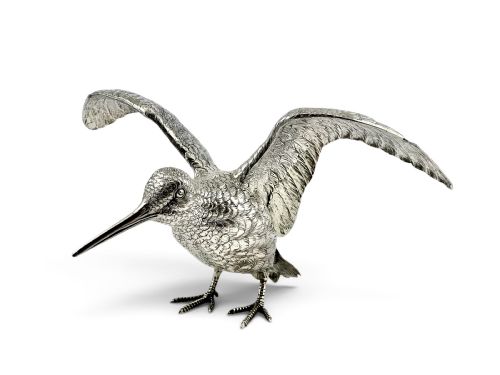
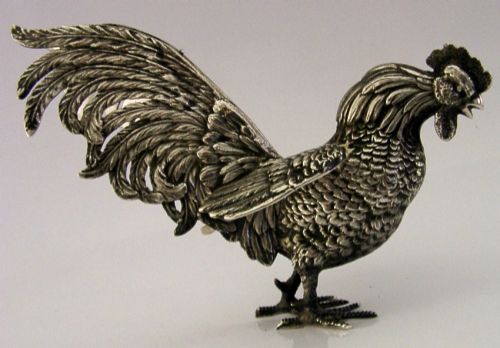
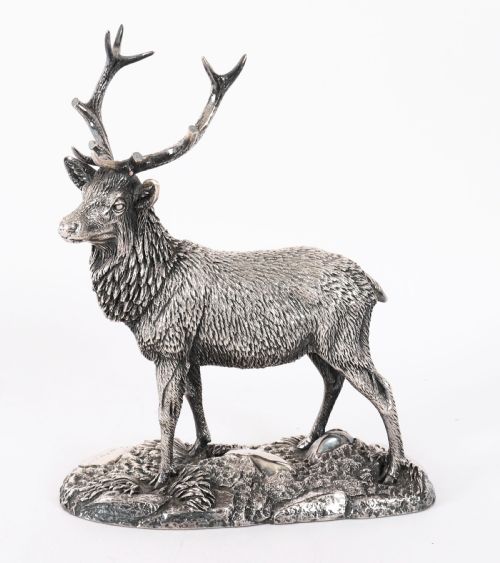
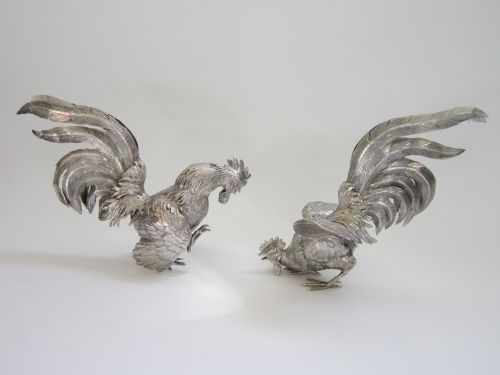
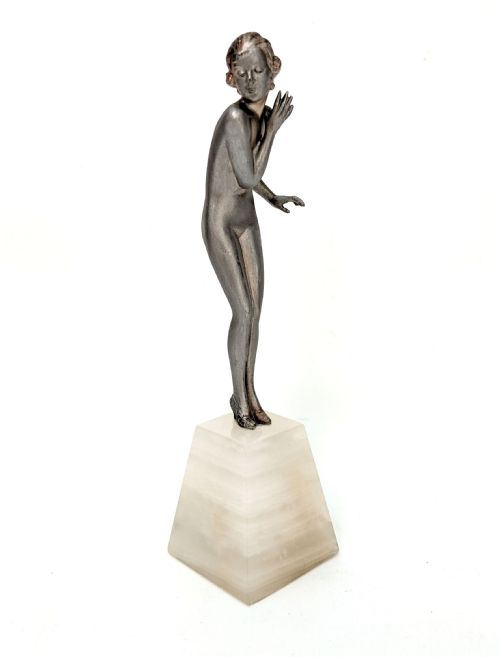
These cast silver figure sculptures and figurines bring striking detail to a room, ranging from Victorian cherubs to mid-century birds.
Cast Silver Figure
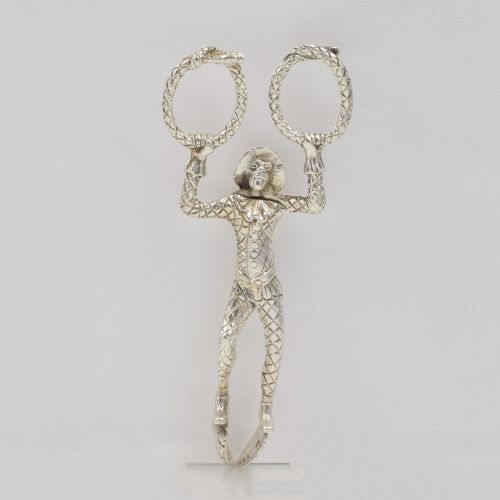
A cast silver figure spans decorative table ornaments, animalier sculptures, and figural novelties across several centuries of metalwork. Collectors seeking a cast silver figure will find representations of birds, animals, and human subjects produced in various eras.
Origins range from British workshops to continental makers, utilising solid sterling silver, 833 silver, and silvered bronze. Pieces appear mounted on materials such as wood and marble or presented as freestanding table sculptures.
What varies in quality
The presence of clear hallmarks, maker marks, and original mounting materials influences the standing of a piece. Greater articulation and weight separate standard production items from masterworks.
Cast Silver Figure Retail Price Guide 2026
Typical asking prices for cast silver figure among the pieces listed under this phrase on Sellingantiques today, from the lower quarter to the upper quarter. They describe what is for sale here now, not the wider market.
Listings combine British Victorian and twentieth-century pieces with continental European works, spanning solid sterling silver, 833 silver, silvered bronze, and spelter.
Tom Mackie·Dee and Fargus·Edward and John Barnard·Josef Lorenzl
The Cast Silver Figure Glossary
- Animalier
- A term for art that realistically depicts animals, particularly prevalent in nineteenth-century sculpture. This style captures beasts in motion or repose.
- Sterling silver
- An alloy containing a high proportion of pure silver mixed with other metals to increase durability. Items made to this standard often bear government assay marks.
- Silvered bronze
- A bronze base metal treated with a thin coating of silver to give the appearance of solid precious metal. This technique was common in sculptural studies.
- Spelter
- An alloy of zinc and other base metals used as a substitute for bronze or silver in decorative figures. It is frequently found in twentieth-century continental pieces.
- Chasing
- The manual technique of hammering or indenting metal to refine details on a cast surface. Skilled chasing enhances the texture of feathers and clothing.
Cast Silver Figure: Frequently Asked Questions
How do I clean my silver figure?
Use a soft microfiber cloth to remove dust and gentle silver polish only when necessary to preserve fine surface details. Avoid harsh liquid dips that can damage patination on antique castings.
Frequent cleaning wears down thin plating and delicate chased lines on older pieces. Handle the sculpture by its heavier base or underside during maintenance.
Are these figures solid silver?
Many listings specify sterling silver, solid silver, or 833 silver, indicating substantial metal content throughout the body. Other items utilise silvered bronze or spelter over a base metal core.
Check the hallmarks or item description to confirm the specific alloy used in the casting. Weight often provides an immediate clue to whether a piece is solid metal.
How do I date a silver figure?
Hallmarks stamped onto the metal provide the most reliable indication of age and origin for British items. Assay office marks and date letters point to specific years of manufacture.
Stylistic cues such as Art Deco geometric lines or Victorian naturalism also help narrow down the period. Comparing the base material and mounting style offers further clues.
Where were these figures placed originally?
Table ornaments and figural sculptures typically stood on dining tables, desks, or mantelpieces in prosperous nineteenth and twentieth-century homes. Novelty items like inkwells and sugar tongs served practical functions alongside their decorative appeal.
Larger animalier bronzes and silver models were displayed on dedicated wooden or marble bases. They functioned as conversation pieces in drawing rooms and studies.