




Cast Iron Insert
A cast iron insert forms the hearth’s focal point, bringing period warmth and solid metalwork into domestic rooms.
Cast Iron Insert
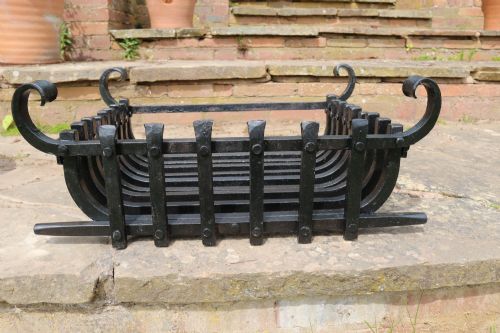
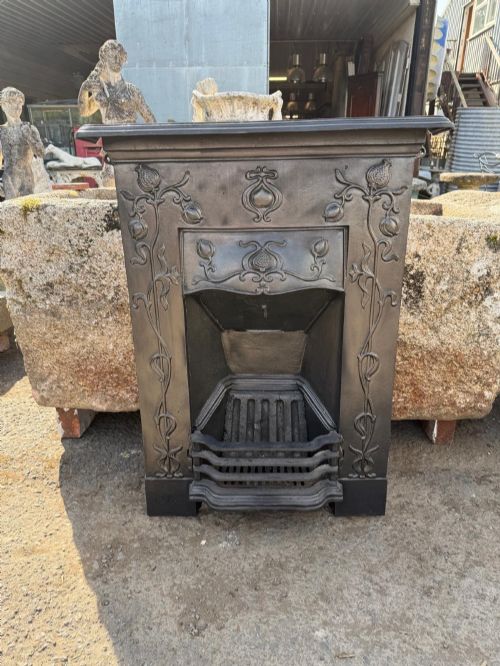
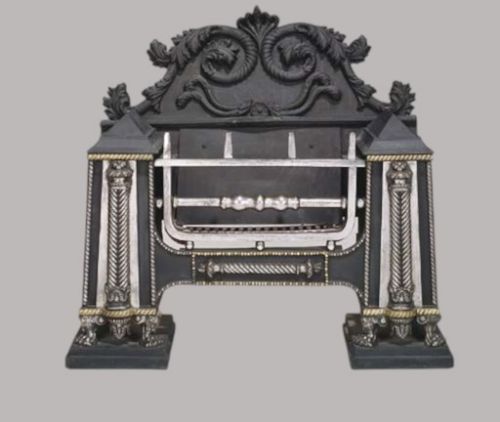
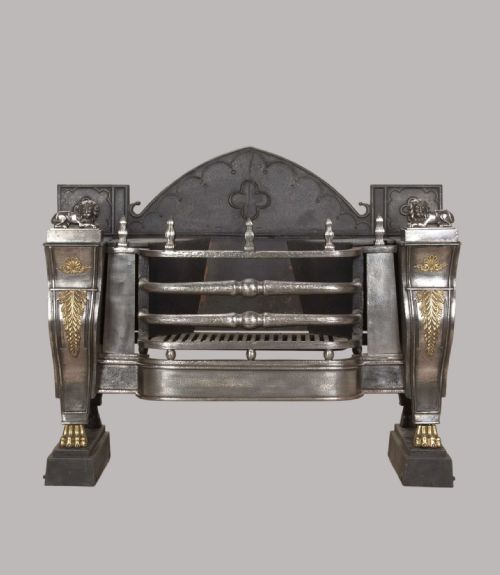
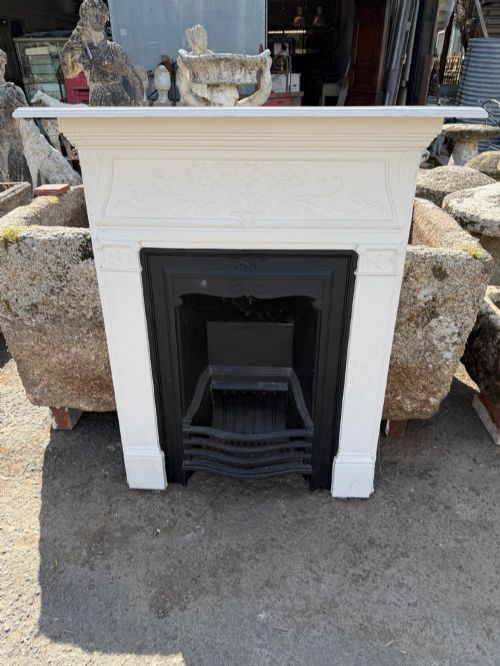
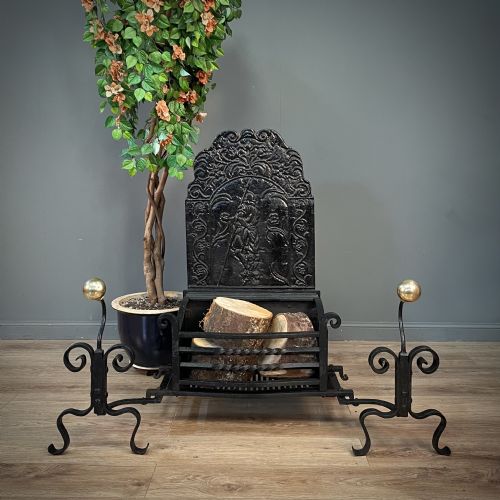
When you search for a cast iron insert, you are looking at metal fireplace furniture designed to fit within a larger chimney breast or mantel opening. These pieces range from register grates and combination fireplaces to freestanding fire baskets and hob grates.
The versions you are most likely to meet on this page hail from the Victorian and nineteenth century periods, alongside Georgian, Regency, Edwardian, and early twentieth century examples. They utilise heavy metal and often incorporate wrought iron, brass, firebrick, and timber elements.
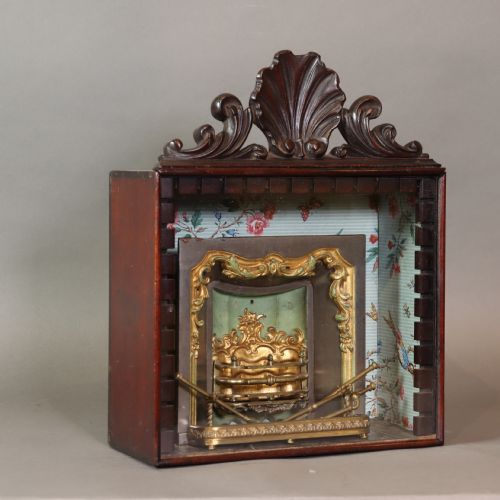
The object types vary across fire grates, fire baskets, fireplace inserts, and miniature salesman samples. Styles span from classical Adam and Neoclassical designs to Arts and Crafts and Jacobean Revival.
How they were made
These items rely primarily on cast iron and wrought iron, melted and shaped in foundries to create rigid frames, grates, and decorative backs. Makers integrated brass details, firebricks to withstand intense heat, and occasionally timber or paper components for specific display models.
Techniques combined casting for mass and structural integrity with hand-wrought ironwork for baskets and fire bars. Foundry output produced both ornate combination fireplaces and simpler hob grates intended for daily coal or wood burning.
Cast Iron Insert Retail Price Guide 2026
Typical asking prices for cast iron insert among the pieces listed under this phrase on Sellingantiques today, from the lower quarter to the upper quarter. They describe what is for sale here now, not the wider market.
Listings span the Victorian, Georgian, Regency, Edwardian, and 1930 periods, featuring cast iron, wrought iron, brass, and firebrick.
What varies in quality
The distinction between standard examples and superior specimens rests on the crispness of the casting and the refinement of the decorative metalwork. Pieces displaying detailed classical motifs, integrated brass work, or sophisticated neoclassical styling represent the upper tier of the range.
Structural heft and the complexity of the form also divide the pieces, as substantial register grates and combination fireplaces require greater foundry skill than smaller, utilitarian grates.
Coalbrookdale
The Cast Iron Insert Glossary
- Hob grate
- A fireplace grate featuring raised side platforms, known as hobs, used for heating kettles or pots.
- Register grate
- A fireplace insert featuring a moveable flap or damper plate to control the draught passing up the chimney.
- Andirons
- Horizontal metal bars or firedogs raised on legs, placed in a hearth to support logs for burning.
- Combination fireplace
- A single cast iron unit that unites the mantel, surround, and grate into one cohesive piece.
- Salesman sample
- A small scale miniature model of a fireplace used by travelling representatives to demonstrate wares to clients.
Cast Iron Insert: Frequently Asked Questions
What is a cast iron insert?
A cast iron insert is a metal fireplace component that fits into a chimney opening to hold fuel and radiate heat.
These units include grates, baskets, and complete combination fireplaces from various historical periods.
How do I choose the right size?
Measure the width, height, and depth of your chimney opening carefully before selecting a grate or insert.
Ensure the proportions match the hearth space and that clearance requirements are met for safety.
Were these inserts used for coal or wood?
Most nineteenth century inserts and grates were designed primarily for burning coal, though some baskets accommodate wood.
Firebricks inside the iron frame helped retain and direct heat into the room.
How do I clean cast iron?
Remove ash and soot regularly using a soft brush and avoid harsh chemical cleaners that strip the metal.
Apply traditional grate polish or black lead sparingly to maintain the dark finish.
How do I identify the period?
Examine the decorative style, such as Neoclassical urns or Arts and Crafts linear motifs, alongside construction methods.
Victorian and Georgian pieces often display distinct ornamentation that separates them from later twentieth century examples.