



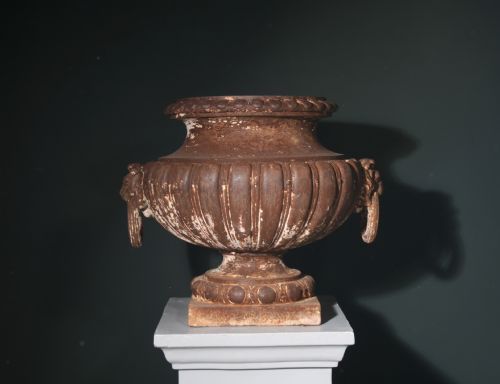
Cast Iron Garden Planter
A cast iron garden planter brings heavy classical weight to a terrace, enduring through decades of weather.
Identifying a Cast Iron Garden Planter
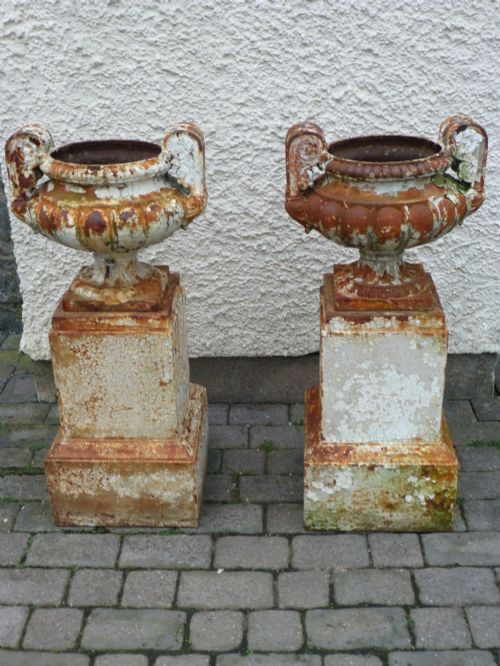
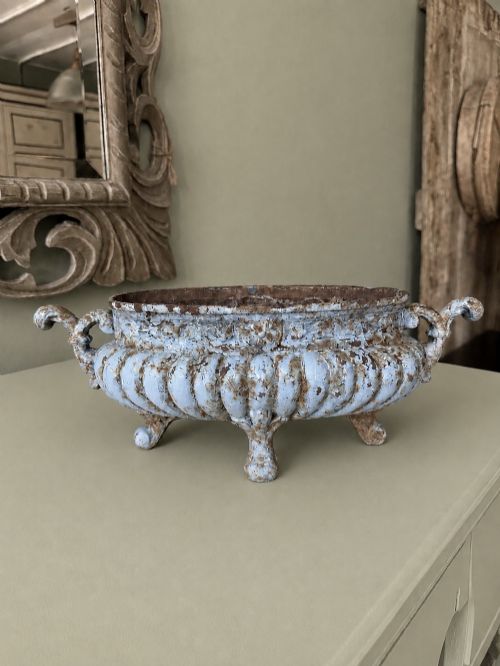
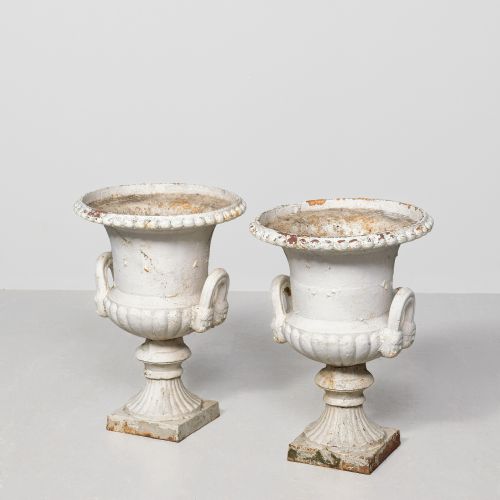
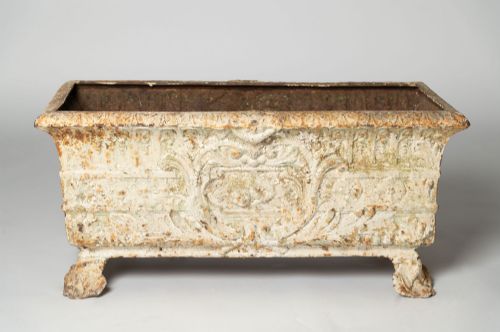
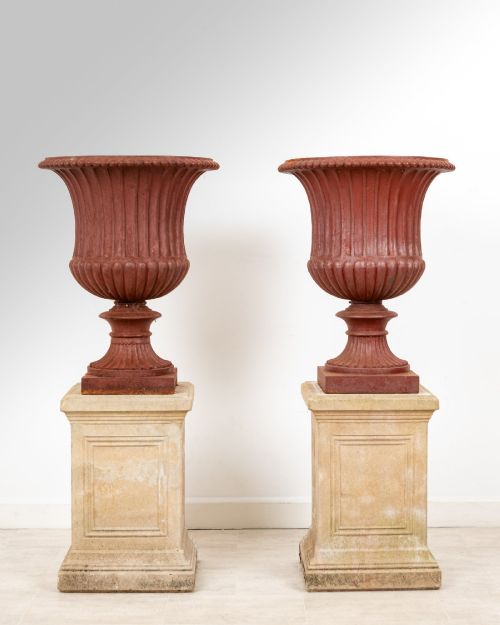
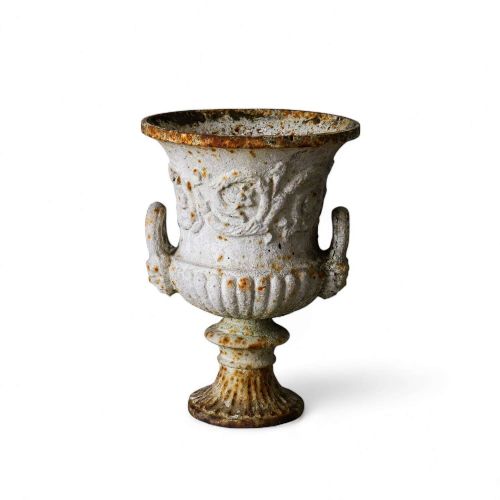
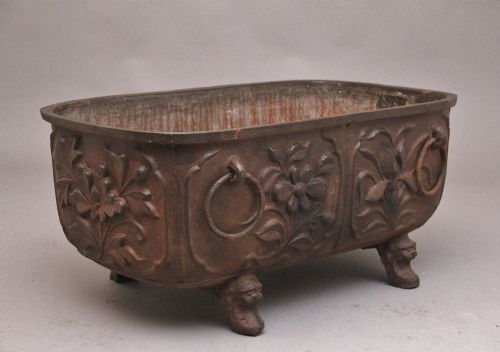
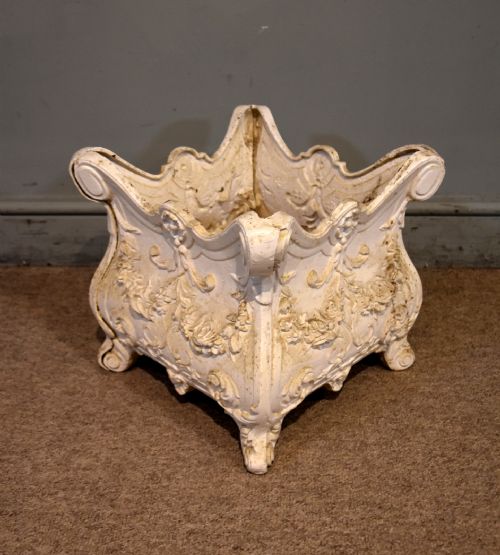
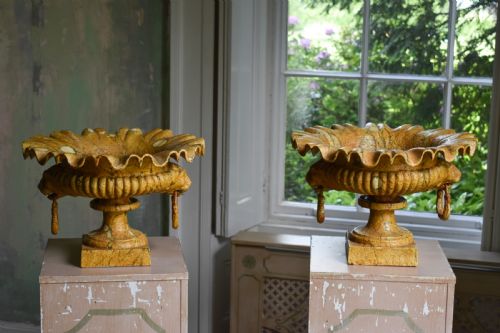
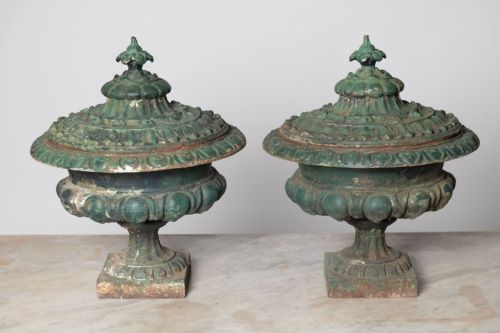
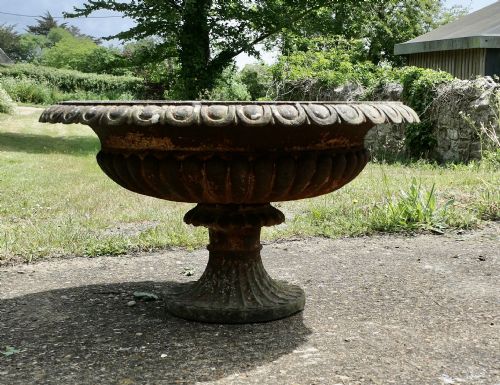
A cast iron garden planter takes the form of a garden urn, jardiniere, or conical planter designed for outdoor display. These robust vessels emerge in Victorian, Edwardian, and French Neoclassical styles, often standing on dedicated plinths or lion paw feet.
Most examples found here date from the nineteenth and early twentieth centuries, including pieces marked by prominent foundries like Val d'Osne and Andrew Handyside. Buyers frequently encounter pairs of large urns or matched sets intended for formal garden pathways.
Materials and Manufacture
Production relies on molten iron poured into sand moulds to achieve thick, heavy-walled vessels with crisp decorative details. The metal is frequently finished with layers of paint to protect against oxidation in damp outdoor environments.
Foundries utilised complex multi-part moulds to cast intricate neoclassical motifs, lattice patterns, and fluted bodies in single substantial sections or bolted assemblies.
Retail Price Guide 2026
Typical UK retail prices for cast iron garden planter, calculated from the Sellingantiques database of over a million retail prices indexed since 2003. This retail price guide relies exclusively on Sellingantiques data; no external sources or auction records are used, so the figures do not describe the wider market.
Listings span the 19th Century, 1920, and Edwardian periods, utilising cast iron and paint across Victorian, French Neoclassical, and Victorian Classical styles.
Assessing Quality and Distinction
Quality rests in the sharpness of the cast ornament and the proportion of the vessel, where master foundries achieved cleaner lines and deeper relief than routine commercial production. The presence of a known foundry stamp elevates an item beyond anonymous utility.
The survival of original structural integrity and early paint layers separates distinguished survivors from pieces weakened by prolonged exposure and deep corrosion.
Val d'Osne Foundry·Andrew Handyside
The Cast Iron Garden Planter Glossary
- Urn
- A large, rounded vase-shaped vessel, typically standing on a pedestal or foot, used historically to display plantings in formal gardens.
- Jardiniere
- An ornamental pot or receptacle, usually made of metal, designed to hold growing plants or flowers.
- Plinth
- A heavy rectangular block or base that supports a garden urn or planter, elevating it above ground level.
- Neoclassical
- A style drawing inspiration from the classical art and culture of ancient Greece and Rome, visible in the symmetry and motifs of these planters.
- Foundry
- A factory where metal is melted and poured into moulds to produce cast objects.
Frequently Asked Questions
How do I care for cast iron planters outdoors?
Keep the metal coated with suitable exterior paint to prevent rust from compromising the structure.
Ensure drainage holes remain clear so water does not freeze and crack the heavy iron body during winter months.
Are these planters heavy to move?
These vessels possess substantial weight due to the thick iron construction, often requiring two people or lifting equipment.
Position them carefully in their permanent garden spot before filling them with soil and plants.
How can I tell a Victorian planter from a later one?
Nineteenth-century examples often display deeper relief work and marks from prominent historical foundries.
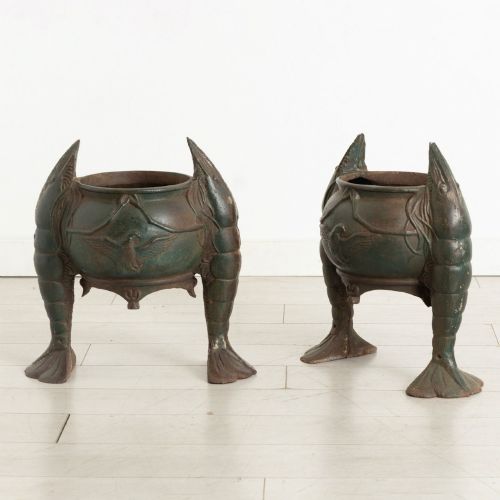
Twentieth-century pieces can feature simpler conical profiles or later stylistic influences like Art Deco.
Do these planters come with bases?
Many examples are paired with matching plinths or integrated bases such as lion paw feet.
Others stand independently or rest directly on garden paving as single urns.